UGC equity regulations 2026: Centre tells SC it may form review committee
Synopsis
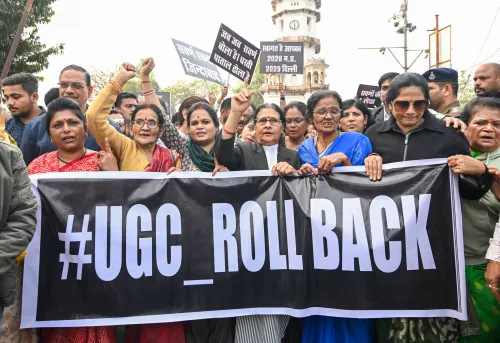
The Centre has told the Supreme Court it may set up a committee to rework the UGC's 2026 anti-discrimination regulations — rules that have been on hold since January over concerns they exclude general-category students from protection. The case cuts to a fundamental tension in campus equity law: who counts as a victim of caste-based discrimination.
Key Takeaways
The Centre told the Supreme Court on 5 November 2026 it is considering forming a committee to review the UGC (Promotion of Equity in Higher Education Institutions) Regulations, 2026 .
Solicitor General Tushar Mehta submitted the government wants to ensure 'every student should be taken care of' regardless of category.
The 2026 UGC Regulations have been stayed since 29 January 2026 ; the older 2012 UGC Regulations remain operative.
The key legal challenge targets Clause 3(c) , which petitioners argue limits caste-discrimination protection to SC, ST, and OBC students, excluding general-category students.
The Supreme Court has also flagged concerns over segregation provisions and the omission of ragging as a defined form of discrimination.
The bench of CJI Surya Kant and Justice Joymalya Bagchi adjourned the petitions for further consideration.
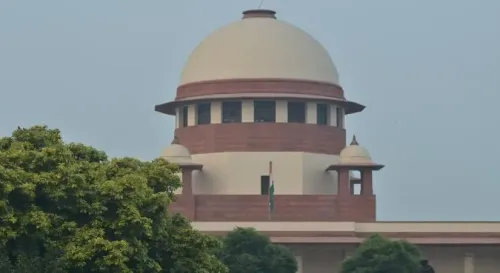
The Central government on Thursday, 5 November 2026, informed the Supreme Court that it was considering constituting a committee to review the University Grants Commission (Promotion of Equity in Higher Education Institutions) Regulations, 2026, framed to prevent caste-based discrimination in higher educational institutions. The disclosure came during a hearing before a bench of Chief Justice of India (CJI) Surya Kant and Justice Joymalya Bagchi, which was examining a batch of petitions challenging the validity of the 2026 UGC Regulations.
What the Centre Told the Court
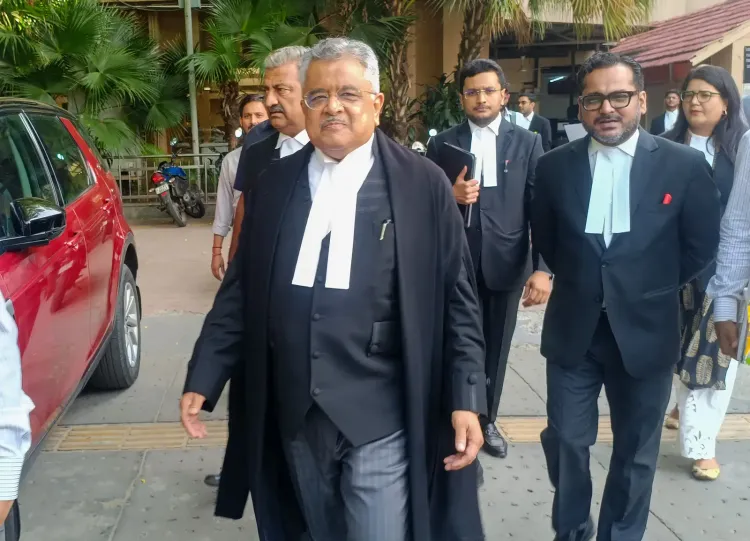
Solicitor General Tushar Mehta, appearing for the Centre, submitted that the government had resolved to address the concerns of students across all sections. 'The government has taken a decision that every student should be taken care of. Nobody should have any apprehension. Nobody should feel dissatisfied. We are also considering the interests of the younger generation. The government is contemplating appointing a committee,' Mehta said during the proceedings.
The submission came after the CJI-led bench prompted the government to reconsider its position, asking: 'Why don't you revisit the regulations?' Taking note of the Centre's response, the bench adjourned the batch of petitions for further hearing.
Background: Why the Regulations Were Stayed
The 2026 UGC Regulations have been in legal limbo since an interim order passed on 29 January this year, when the Supreme Court stayed their operation and directed that the earlier 2012 UGC Regulations would continue to remain in force until further orders. At the time, the bench had issued notices to both the Centre and the University Grants Commission (UGC), citing prima facie concerns over ambiguities in the new framework and observing that the possibility of its misuse could not be ruled out.
Core Legal Challenge: Who Is Protected
The petitions have primarily challenged Clause 3(c) of the 2026 Regulations, which defines 'caste-based discrimination'. Petitioners contend that the clause's restrictive scope limits protection and grievance redressal mechanisms to members of the Scheduled Castes (SC), Scheduled Tribes (ST), and Other Backward Classes (OBC) — effectively leaving students from non-reserved categories without an equivalent remedy.
Petitioners argued that this formulation creates an asymmetric protection architecture, excluding individuals from general categories from the regulation's anti-discrimination safeguards. The apex court had separately flagged concerns over provisions relating to segregation in educational institutions and the omission of ragging as a specific category of discrimination under the new framework.
What Happens Next
The Supreme Court has adjourned the petitions pending further consideration. If the Centre proceeds with constituting a review committee, it will need to present a revised regulatory framework to the court before the stay on the 2026 Regulations can be lifted. Until then, the 2012 UGC Regulations remain operative across higher educational institutions. The case is being closely watched by student bodies, university administrations, and civil society groups as it touches on the foundational question of how anti-discrimination frameworks in academia are designed and applied.
Point of View
The 2012 regulations — a framework over a decade old — will continue to govern campus equity at India's higher educational institutions.
NationPress
5 Nov 2026
Frequently Asked Questions
What are the UGC (Promotion of Equity in Higher Education Institutions) Regulations, 2026?
These are regulations framed by the University Grants Commission to prevent caste-based discrimination in higher educational institutions. They were challenged in the Supreme Court over concerns that their protection mechanisms apply only to SC, ST, and OBC students, excluding those from general categories.
Why did the Supreme Court stay the 2026 UGC Regulations?
The Supreme Court stayed the 2026 UGC Regulations on 29 January 2026 after expressing prima facie concerns over ambiguities in the new framework and the possibility of its misuse. The court directed the older 2012 UGC Regulations to remain in force until further orders.
What is the government planning to do about the regulations?
The Centre told the Supreme Court on 5 November 2026 that it was contemplating constituting a committee to review the regulations and ensure the concerns of students from all sections are adequately addressed. No timeline for the committee's formation has been announced.
What is the central legal challenge to Clause 3(c) of the 2026 UGC Regulations?
Petitioners argue that Clause 3(c), which defines 'caste-based discrimination', restricts protection and grievance redressal to members of Scheduled Castes, Scheduled Tribes, and Other Backward Classes. This, they contend, leaves students from non-reserved categories without an effective remedy under the framework.
Which concerns did the Supreme Court flag beyond the definition of discrimination?
Apart from the definitional issue in Clause 3(c), the Supreme Court raised concerns about provisions relating to segregation in educational institutions and the omission of ragging as a specific form of discrimination under the 2026 framework.