Centre files SC review petition on Yes Bank AT-1 bonds write-off ruling
Synopsis
The Centre, RBI, and Yes Bank have all now filed review petitions against the Supreme Court's October 2026 verdict invalidating the ₹8,415-crore write-off of Yes Bank's AT-1 bonds. With a contempt petition also in play, the case is becoming a landmark test of whether AT-1 bonds can serve as credible loss-absorbing capital in Indian bank rescues — and the answer will reverberate across the entire resolution framework.
Key Takeaways
The Centre filed a review petition on 17 November 2026 against the Supreme Court's 15 October 2026 judgment invalidating Yes Bank's ₹8,415-crore AT-1 bond write-off.
The RBI and Yes Bank had filed separate review petitions on 13 November 2026 , making it three review petitions before the court.
The RBI argues the court did not adequately consider its Basel III master circular and has sought a stay and open-court hearing.
Yes Bank estimates bond restoration could cut its CET1 capital ratio by around 250 basis points .
Axis Trustee Services filed a contempt petition in November 2026 , alleging Yes Bank has not provided a roadmap to restore the bonds.
The AT-1 bonds were issued in two tranches — ₹3,000 crore in December 2016 and ₹5,415 crore in October 2017 — and written off in March 2020 by the appointed administrator.
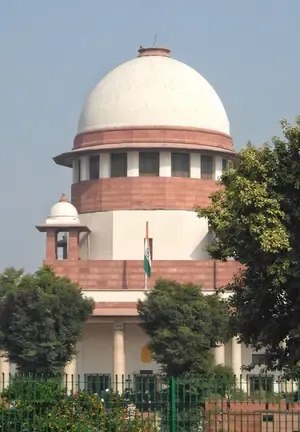
The Central government has filed a review petition in the Supreme Court challenging the top court's 15 October 2026 judgment that invalidated the ₹8,415-crore write-off of Yes Bank's Additional Tier-1 (AT-1) bonds — a measure undertaken during the bank's March 2020 rescue. The petition, filed on 17 November 2026 against Axis Trustee Services Ltd, is yet to be numbered or listed for hearing, according to the Supreme Court website.
Three Review Petitions Now Before the Court
The Centre's filing follows separate review petitions filed by the Reserve Bank of India (RBI) and Yes Bank on 13 November 2026. All three institutions are now seeking a reconsideration of the same ruling, underscoring the systemic weight the judgment carries for India's banking sector.
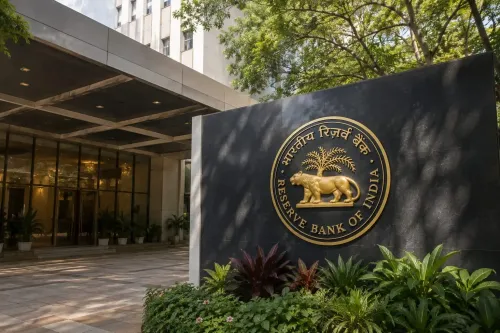
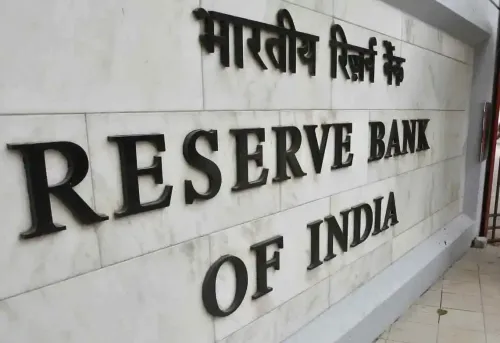
The RBI has argued that the Supreme Court did not adequately consider its Basel III master circular in arriving at its decision. The central bank has also sought an open-court hearing and a stay on the order, warning that overturning the write-down could undermine the role of AT-1 bonds as loss-absorbing capital instruments and have broader implications for the banking system's resolution framework.
What Yes Bank Says About the Capital Impact
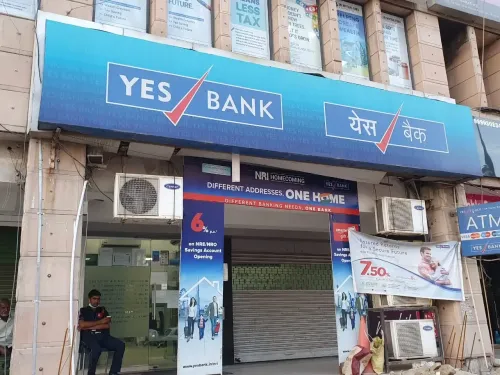
Yes Bank, in its own petition, has pointed to the significant capital consequences of restoring the bonds. The lender had earlier estimated that reinstatement could reduce its Common Equity Tier-1 (CET1) capital ratio by approximately 250 basis points, based on its June 2026 financial position — a hit that could constrain its lending headroom and regulatory buffers.
Bondholders Allege Non-Compliance, File Contempt Petition
Axis Trustee Services, acting as trustee for the AT-1 bondholders, filed a contempt petition in the Supreme Court earlier in November 2026. The trustee alleged that Yes Bank has not provided a clear roadmap to restore the bonds or otherwise implement the apex court's ruling. Actual bond reactivation, restoration of bondholder value, and assessment of historical coupon payments remain stalled pending the review and enforcement proceedings.
Background: The 2020 Write-Off and the Court Rulings
The dispute traces back to March 2020, when the Centre placed the severely stressed Yes Bank under a moratorium and the RBI superseded its board, appointing an administrator to oversee the rescue. While the final reconstruction scheme notified on 13 March 2020 had dropped a proposal to write down the AT-1 bonds, the administrator wrote them off the following day — without explicit sanction in the notified scheme.
The bonds had been issued in two tranches: ₹3,000 crore in December 2016 and ₹5,415 crore in October 2017, together totalling ₹8,415 crore. A Supreme Court bench upheld the Bombay High Court's January 2023 ruling and dismissed appeals from Yes Bank, the RBI, and the Centre, finding that the administrator had exceeded his authority because the final reconstruction scheme had omitted the write-down provision.
With three review petitions now pending and a contempt proceeding underway, the case is set to define the legal status of AT-1 bonds in Indian bank resolution — and determine whether thousands of retail and institutional bondholders can recover their investments.
Point of View
The RBI, and Yes Bank signal that this is not a routine legal dispute — it is an institutional challenge to the Supreme Court's reading of bank resolution powers. The RBI's concern is well-founded: if AT-1 bonds cannot be written down in a rescue, their value as loss-absorbing capital under Basel III is fundamentally compromised, which undermines the entire resolution toolkit. Yet the bondholders' grievance is equally legitimate — the administrator acted outside the four corners of the notified scheme. What mainstream coverage underplays is the contempt petition: Axis Trustee's filing suggests Yes Bank is running out the clock, adding an enforcement dimension that the review proceedings alone cannot resolve. The outcome will set a precedent that every future bank bailout in India will be measured against.
NationPress
20 Nov 2026
Frequently Asked Questions
Why has the Centre filed a review petition in the Yes Bank AT-1 bonds case?
The Centre filed a review petition on 17 November 2026 challenging the Supreme Court's 15 October 2026 ruling that invalidated the ₹8,415-crore write-off of Yes Bank's AT-1 bonds during the bank's March 2020 rescue. The government, along with the RBI and Yes Bank, contends the judgment has significant implications for the banking system's resolution framework.
What was the Supreme Court's October 2026 ruling in the Yes Bank AT-1 case?
The Supreme Court upheld the Bombay High Court's January 2023 ruling and dismissed appeals from Yes Bank, the RBI, and the Centre. It found that the administrator appointed during Yes Bank's 2020 rescue exceeded his authority by writing off the AT-1 bonds, since the final Reconstruction Scheme notified on 13 March 2020 had omitted that provision.
Why is the RBI concerned about the Supreme Court's judgment?
The RBI argues the court did not adequately consider its Basel III master circular, which treats AT-1 bonds as loss-absorbing capital instruments. It has sought a stay and an open-court hearing, warning that overturning the write-down could compromise the role of AT-1 bonds in future bank resolutions and destabilise the broader resolution framework.
What is the financial impact on Yes Bank if the AT-1 bonds are restored?
Yes Bank has estimated that restoring the ₹8,415-crore AT-1 bonds could reduce its Common Equity Tier-1 (CET1) capital ratio by approximately 250 basis points, based on its June 2026 position. This would constrain the bank's regulatory capital buffers and lending capacity.
What is Axis Trustee Services' contempt petition about?
Axis Trustee Services, the trustee for the AT-1 bondholders, filed a contempt petition in the Supreme Court in November 2026 alleging that Yes Bank has not provided a clear roadmap to restore the bonds or implement the court's ruling. Bond reactivation and historical coupon assessments remain pending, stalled by the ongoing review and enforcement proceedings.