Chirag Paswan calls India the Global Healthy Food Basket
Synopsis
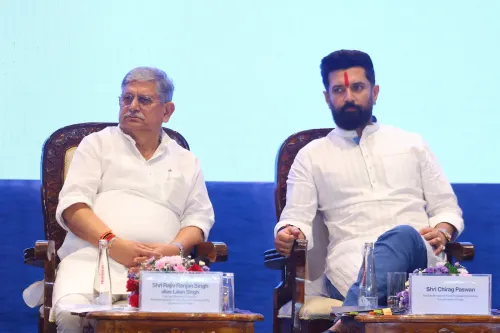
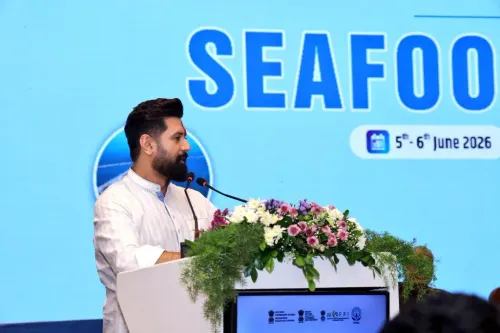
Union Food Processing Minister Chirag Paswan addressed IHSS 2026 at Bharat Mandapam on 3 July, declaring India's ambition to become the 'Global Healthy Food Basket' and pledging that at least one Indian food product should reach every dining table in the world.
Key Takeaways
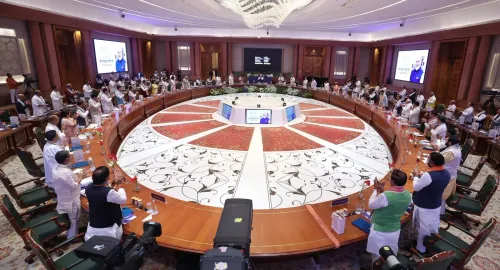
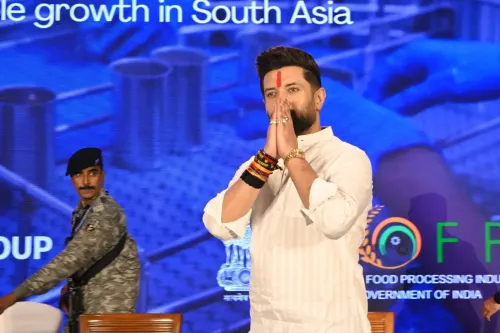
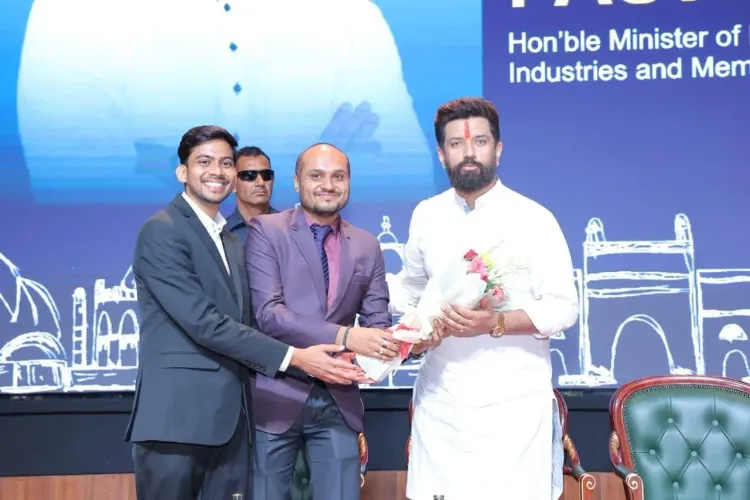
Chirag Paswan was the chief guest at the India Healthy Snacking Summit (IHSS) 2026 held at Bharat Mandapam, New Delhi on 3 July 2026 .
The minister called for India to become the 'Global Healthy Food Basket' , not merely the world's food basket.
He set an aspirational goal: at least one Indian food product on every dining table in the world.
Farmley organised the summit, which included startups, industry representatives, and food processing stakeholders.
The vision builds on existing schemes including the Pradhan Mantri Kisan Sampada Yojana (2017) and the PLI Scheme for Food Processing (2021) .
The event signals continued public-private coordination to scale India's value-added food export sector.
Union Food Processing Minister Chirag Paswan addressed the India Healthy Snacking Summit (IHSS) 2026 as chief guest at Bharat Mandapam, New Delhi, on 3 July 2026, sharing his vision for India to become the world's leading healthy food supplier and for at least one Indian food product to reach every dining table globally.
Context
Posting on X after the event, Chirag Paswan wrote: 'हमारा संकल्प है कि भारत केवल दुनिया का Food Basket ही नहीं, बल्कि Global Healthy Food Basket बने' ('Our resolve is that India should not merely be the world's Food Basket, but its Global Healthy Food Basket'). He added that at least one Indian food product should reach every dining table in the world in the years ahead. The minister congratulated Farmley, the summit's organising company, along with participating startups and industry representatives.
Bharat Mandapam, the flagship convention centre in New Delhi, has emerged as a preferred venue for high-profile trade and industry conclaves since its inauguration. Its use for IHSS 2026 underscores the government's intent to give the healthy-snacking sector a prominent platform.
Policy Backdrop
The Ministry of Food Processing Industries has driven two landmark schemes to shift India from raw agricultural exports toward value-added products. The Pradhan Mantri Kisan Sampada Yojana, launched in 2017, aimed at building modern food processing infrastructure and boosting exports. The Production Linked Incentive (PLI) Scheme for Food Processing Industries, announced in 2021, was designed to attract fresh investment and enhance value addition across the supply chain.
Paswan's articulation of a 'Global Healthy Food Basket' vision aligns with this policy lineage, extending it explicitly into the health and wellness segment — a category seeing rapid domestic and international demand growth for functional and nutritious snack products.
Stakeholders and Impact
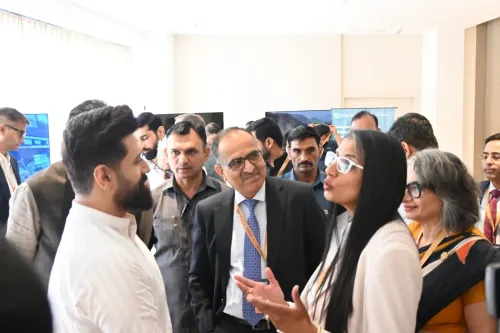
The summit brought together food processing startups, healthy snack manufacturers, and agri-exporters — the three constituencies the ministry is trying to integrate into a coherent export-oriented value chain. Ministerial participation at such industry gatherings signals continued public-private coordination and can influence investment decisions, sourcing partnerships, and branding strategies for emerging food brands.
Farmley, which organised the summit, operates in the healthy-snacking space and its role as convener reflects the growing institutional weight of direct-to-consumer food brands in shaping sector policy conversations. Startups present at the event gain direct access to ministerial priorities, which can inform product development and export roadmaps.
What's Next
The ministry's next steps to watch include fresh scheme guidelines or budget allocations under the Ministry of Food Processing Industries and India's positioning at upcoming global food trade events. Paswan's stated ambition — at least one Indian food product on every global dining table — sets a clear rhetorical benchmark against which future policy announcements and export data will be measured.
As domestic consumption of healthy snacks rises alongside growing international appetite for clean-label and functional foods, the government's ability to translate summit-level intent into exportable, branded Indian products will define whether this vision moves from aspiration to measurable trade outcome.
Point of View
He is aligning ministry priorities with the fastest-growing lane of global food demand, where Indian products currently hold limited shelf space. Participating in an industry-organised summit rather than a government-convened event reflects a softer, market-facing style of ministerial engagement that courts startup ecosystems alongside traditional agri-industry. Whether the aspiration translates into concrete export targets or new scheme modifications will be the real test of this rhetorical commitment.
NationPress
3 Jul 2026
Frequently Asked Questions
What did Chirag Paswan say at IHSS 2026?
Chirag Paswan said India's goal should be to become the 'Global Healthy Food Basket' and that at least one Indian food product should reach every dining table in the world. He made these remarks as chief guest at the India Healthy Snacking Summit 2026 at Bharat Mandapam, New Delhi.
What is the India Healthy Snacking Summit (IHSS) 2026?
IHSS 2026 is a summit focused on healthy food, food processing, innovation, and quality, held at Bharat Mandapam in New Delhi. It was organised by Farmley and brought together startups, industry representatives, and government officials.
What is Chirag Paswan's role in the Indian government?
Chirag Paswan is the Union Minister of Food Processing Industries in the Indian government. He is also the national president of the Lok Janshakti Party (Ram Vilas).
What schemes support India's food processing sector?
Two key central government schemes support the sector: the Pradhan Mantri Kisan Sampada Yojana, launched in 2017 to build food processing infrastructure and boost exports, and the Production Linked Incentive Scheme for Food Processing Industries, announced in 2021 to attract investment and enhance value addition.
What is Farmley and what is its role in the healthy snacking sector?
Farmley is a company operating in the healthy-snacking space that organised the India Healthy Snacking Summit 2026. Its role as convener of a ministerially attended summit reflects the growing influence of direct-to-consumer food brands in shaping sector policy discussions.