Shivraj Singh Chouhan: RSETI Links Rural Women to Real Jobs
Synopsis
Union Minister Shivraj Singh Chouhan reframes RSETIs as employment-linkage engines for rural women, not just training centres — raising the bar from enrolment numbers to real livelihood outcomes under the Ministry of Rural Development.
Key Takeaways
Shivraj Singh Chouhan called RSETIs an endeavour to connect rural 'daughters' to employment, not just a training programme.
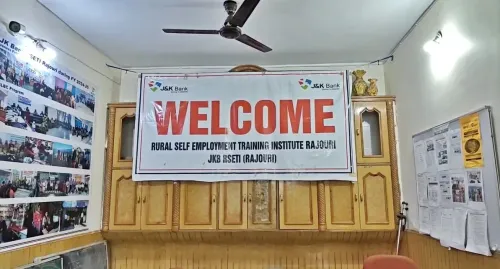
Rural Self Employment Training Institutes (RSETIs) were launched in 2009 under the Ministry of Rural Development to skill rural youth in every district.
The programme operates with a bank-linkage model , giving trainees access to startup credit alongside vocational skills.
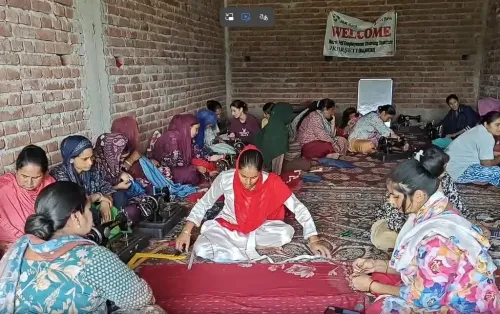
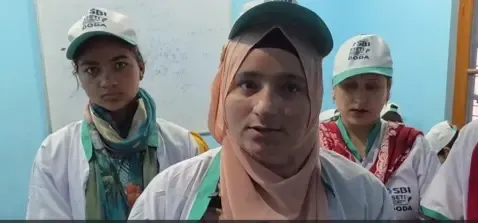
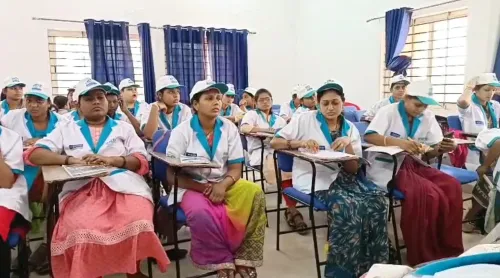
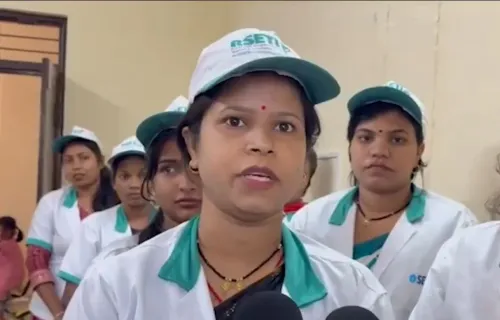
Women participants have become the central focus of RSETI outreach, covering sectors from food processing to handicrafts and agri-enterprises.
Chouhan's framing shifts the success metric from training completion to actual employment and enterprise formation among rural women.
Performance data on placement and enterprise rates among women graduates is expected in forthcoming ministry reports.
For millions of rural women across India, a training certificate has long felt like the end of the road — not the beginning. Union Agriculture and Rural Development Minister Shivraj Singh Chouhan pushed back on that perception on Saturday, 24 October 2026, declaring that the government's network of Rural Self Employment Training Institutes is far more than a classroom exercise.
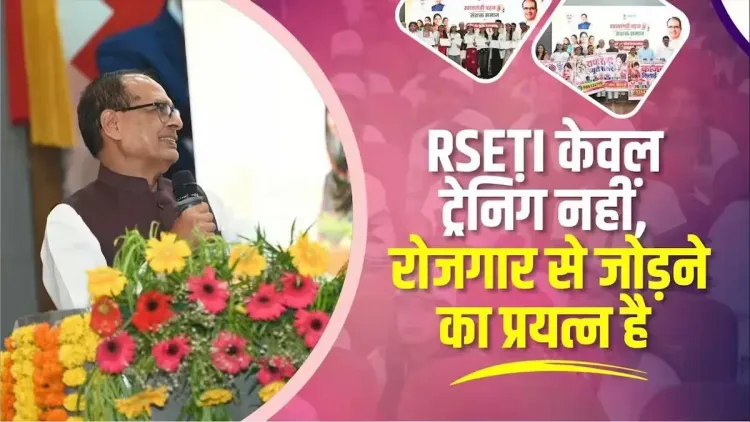
Posting in Hindi, Chouhan wrote: 'RSETI केवल ट्रेनिंग नहीं, बेटियों को रोजगार से जोड़ने का प्रयत्न है' — 'RSETI is not merely training; it is an endeavour to connect daughters to employment.' The framing is deliberate: the minister positions the scheme not as a welfare handout but as an active bridge between skill-building and economic independence.
What RSETI Does — and Why It Matters for Rural Women
Rural Self Employment Training Institutes (RSETIs) were rolled out from 2009 under the Ministry of Rural Development with a mandate to set up dedicated, short-duration skill training centres in every district of the country. The idea was simple but ambitious: bring enterprise-ready training to the doorstep of rural youth so that geography stops being a barrier to a livelihood.
Over the years, women participants — Chouhan's beti (daughters) — have become a central focus of the programme. From tailoring and food processing to handicrafts, beauty services, and small-scale agri-enterprises, the courses are designed to translate quickly into income-generating ventures. The ministry's emphasis on post-training linkage — credit access, market connections, mentorship — is what distinguishes RSETI from an ordinary vocational class.
A Senior BJP Voice Renewing a Rural Development Commitment
Chouhan brings particular weight to this message. As Chief Minister of Madhya Pradesh for four terms, he built a political identity around flagship schemes for women and rural communities — most notably the Ladli Laxmi Yojana. His move to the Union Cabinet placed him at the helm of two of the most consequential rural-facing ministries simultaneously. His emphasis on RSETI as an employment bridge, rather than a training statistic, signals a push to scrutinise outcomes: not just how many women enrolled, but how many launched a venture or found work.
The Ministry of Rural Development oversees RSETIs in coordination with lead banks in each district, creating a structure where finance and skill development sit in the same ecosystem. That bank-linkage model has long been cited as the programme's structural advantage — trainees leave with both a skill and a path to a startup loan.
What to Watch as the Ministry Focuses on Placements
The real test for Chouhan's framing will be in the numbers. Analysts and rural livelihood observers have called for granular data on enterprise formation rates and income gains among women RSETI graduates — figures the ministry is expected to reflect on in upcoming rural development reports. A minister publicly raising the bar from 'training completed' to 'employment achieved' sets a benchmark that will be hard to walk back.
If the shift from certification to actual livelihood outcomes takes hold as policy priority, India's vast rural skill infrastructure may finally start being measured by the metric that matters most: whether a woman from a village is earning.
Point of View
This emphasis on 'employment linkage' over mere certification fits a longer arc of outcome-oriented governance rhetoric. The real question is whether the ministry backs the framing with measurable placement data, or whether 'RSETI for beti' remains an aspirational slogan. Either way, publicly committing to employment outcomes raises accountability stakes for a programme that has operated largely under the radar of prime-time policy scrutiny.
NationPress
24 Oct 2026
Frequently Asked Questions
What is RSETI and who runs it?
RSETI stands for Rural Self Employment Training Institute. These institutes are run under India's Ministry of Rural Development and were launched in 2009 to provide short-duration skill training to rural youth — particularly women — in every district, with access to bank credit to start self-employment ventures.
What did Shivraj Singh Chouhan say about RSETI?
On 24 October 2026, Chouhan posted in Hindi that 'RSETI is not merely training; it is an endeavour to connect daughters to employment,' signalling a focus on actual livelihood outcomes rather than just training enrolment numbers.
How does RSETI help rural women specifically?
RSETI courses cover sectors like food processing, tailoring, handicrafts, beauty services, and small agri-enterprises. The programme's bank-linkage structure means women graduates also have a pathway to startup loans, not just a skill certificate.
When was the RSETI programme started in India?
The RSETI programme was launched in 2009 with the aim of establishing dedicated rural self-employment training centres in every district across India under the Ministry of Rural Development.
What is Shivraj Singh Chouhan's current role?
Shivraj Singh Chouhan is the Union Minister of Agriculture and Farmers Welfare and Rural Development in the Indian government. He is a senior BJP leader and served as Chief Minister of Madhya Pradesh for four terms before joining the Union Cabinet.