CM Assam Office: Rare Plant Rediscovered in Jatinga Hills
Synopsis
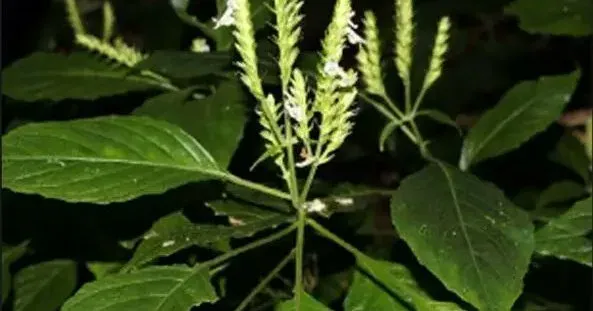
A rare flowering plant, Rungia mastersii, missing from scientific records for nearly 180 years, has been rediscovered in the Jatinga Hills of Dima Hasao, Assam. The Chief Minister's Office highlighted the find as evidence of the state's rich ecological heritage within the Indo-Burma biodiversity hotspot.
Key Takeaways
Rungia mastersii , a rare flowering plant, has been rediscovered in the Jatinga Hills of Dima Hasao district, Assam .
The species had been absent from official scientific records for nearly 180 years before this find.
The Chief Minister's Office of Assam publicised the discovery on 28 July 2026 , calling it a 'remarkable botanical discovery.' Assam is part of the Indo-Burma biodiversity hotspot , one of the world's most species-rich zones.
Follow-up habitat assessments and possible inclusion in state biodiversity registers are expected next steps.
The find underscores the need for continued systematic botanical surveys across northeastern India's under-documented forests.
The Chief Minister's Office of Assam on Tuesday, 28 July 2026 highlighted a significant botanical find: Rungia mastersii, a rare flowering plant absent from official scientific records for nearly 180 years, has been rediscovered by researchers in the Jatinga Hills of Dima Hasao district, underscoring the state's deep ecological wealth.
Context
The CMO's post described the find as a 'remarkable botanical discovery,' noting that Rungia mastersii had been 'missing from official records for nearly 180 years' before researchers located it in the Jatinga Hills. The Jatinga Hills, located within Dima Hasao — a hill district in southern Assam — are already noted for unique biodiversity observations, including the internationally recognised phenomenon of mass bird disorientation that draws researchers annually.
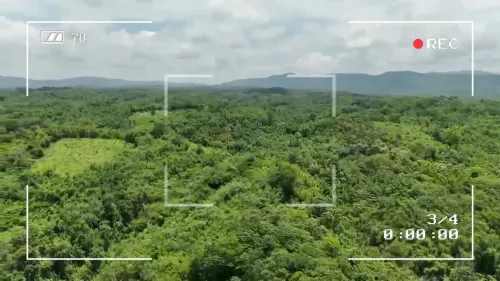
Dima Hasao features diverse terrain ranging from dense subtropical forests to high-altitude grasslands, making it a natural repository for flora that may have escaped systematic documentation. The rediscovery of a species last formally recorded roughly 180 years ago points to the limitations of historical botanical surveys in this remote district and the continued potential for significant finds.
Policy Backdrop
Assam sits within the Indo-Burma biodiversity hotspot, one of the world's 36 recognised zones of exceptional species richness and endemism. Northeastern India as a whole has been the subject of intensified botanical and zoological surveys since the early 2000s, driven by frameworks under the Biological Diversity Act, 2002 and the mandate of the National Biodiversity Authority to maintain updated species inventories.
State authorities in Assam have periodically highlighted such field discoveries to reinforce the ecological value of the region's forests and protected areas. Such announcements also serve to build public and institutional support for habitat conservation, particularly in districts like Dima Hasao where development pressures and forest cover changes have been a subject of ongoing policy attention.
Stakeholders and Impact
The primary stakeholders in this discovery are the botanists and conservation researchers who conducted the field survey, along with the Assam Forest Department and biodiversity boards responsible for updating official species registers. For the scientific community, a 180-year gap in recorded sightings of a plant species is a rare event and is likely to prompt peer-reviewed documentation and formal taxonomic verification.
For local communities in Dima Hasao, the find adds to the district's profile as a biodiversity-rich zone, which can influence conservation funding, ecotourism planning, and the delineation of sensitive habitat zones. Nationally, the rediscovery reinforces the argument that India's northeastern forests remain under-surveyed and warrant sustained research investment.
What's Next
Conservation scientists and forest authorities are expected to conduct follow-up habitat assessments to determine the current population size, distribution, and health of Rungia mastersii within the Jatinga Hills. Formal inclusion in updated Assam State Biodiversity Registers and possible research publications in peer-reviewed botanical journals are anticipated next steps.
Depending on the species' assessed vulnerability, the Assam Forest Department may consider issuing habitat protection notifications or flagging the site for inclusion in conservation management plans. This rediscovery is likely to encourage further systematic botanical surveys across the broader Dima Hasao landscape, a region whose full floristic inventory remains incomplete.
Point of View
The office implicitly makes a case for sustained research funding and habitat protection in remote districts like Dima Hasao. The find also arrives at a moment when northeastern India's forests face competing pressures from infrastructure expansion and land-use change, lending the announcement a quiet but pointed policy dimension. For the scientific community, the rediscovery is a reminder that India's northeastern forests remain among the least-surveyed ecosystems in Asia, with significant species yet to be formally catalogued.
NationPress
28 Jul 2026
Frequently Asked Questions
What is Rungia mastersii and why is its rediscovery significant?
Rungia mastersii is a rare flowering plant that had been absent from official botanical records for nearly 180 years. Its rediscovery in the Jatinga Hills of Dima Hasao, Assam, is significant because it confirms the species still exists in the wild and highlights the rich, under-documented biodiversity of northeastern India.
Where exactly was the rare plant rediscovered in Assam?
The plant was rediscovered in the Jatinga Hills, located within Dima Hasao district in southern Assam. Jatinga Hills are already known for unique biodiversity observations and form part of the broader Indo-Burma biodiversity hotspot.
Who discovered the rare plant in Jatinga Hills?
The rediscovery was made by researchers, as stated by the Chief Minister's Office of Assam. Specific names of the research team have not been detailed in the official post.
What will happen after the rediscovery of Rungia mastersii?
Expected next steps include follow-up habitat assessments to gauge the plant's population and range, formal inclusion in Assam's state biodiversity registers, and likely publication of findings in peer-reviewed botanical journals. Conservation notifications may also follow depending on the species' assessed vulnerability.
Why is Assam important for plant biodiversity in India?
Assam lies within the Indo-Burma biodiversity hotspot, one of 36 globally recognised zones of exceptional species richness. The state's diverse forests, wetlands, and hill ecosystems support a wide range of flora and fauna, many of which remain under-surveyed.