CM Bhagwant Mann Lays Foundation of Rs 65-Cr CBG Plant in Ludhiana
Synopsis
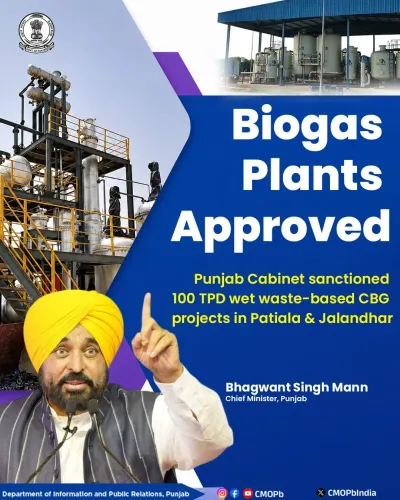
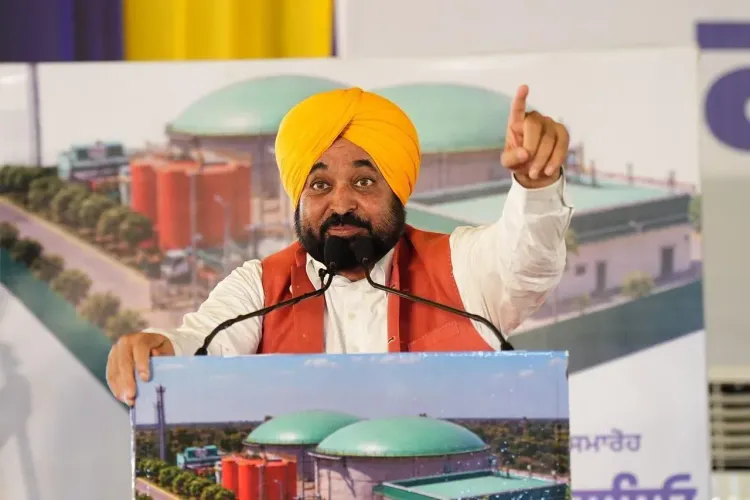
Punjab CM Bhagwant Mann laid the foundation stone of a Rs 65-crore Compressed Bio-Gas plant at Haibowal, Ludhiana, on 14 August 2026. Due by September 2027, it will process 300 tonnes of cattle dung daily, curb Budha Nala pollution, and benefit 435 dairy owners under the state's 'Waste to Wealth' mission.
Key Takeaways
Rs 65-crore CBG plant foundation laid at Haibowal, Ludhiana on 14 August 2026 by Chief Minister Bhagwant Mann .
Plant will process 300 tonnes of cattle dung per day and is targeted for completion by September 2027 .
Project is expected to stop dairy effluent from entering Budha Nala and resolve sewage-blockage problems in the area.
435 dairy owners in Haibowal will receive direct economic benefit from the facility.
The initiative operates under Punjab's Waste to Wealth mission and aligns with the central government's SATAT scheme (launched 2018) for promoting CBG plants.
CBG produced will serve as a clean, renewable fuel substitute for CNG in transport and industry.
A drain that has long carried Ludhiana's shame into the Sutlej river may finally get a reprieve. Punjab Chief Minister Bhagwant Mann on Friday, 14 August 2026, laid the foundation stone of a Rs 65-crore Compressed Bio-Gas (CBG) plant at Haibowal, Ludhiana — a facility designed to turn tonnes of dairy waste into clean fuel and, in doing so, cut the pollution choking one of the city's most troubled waterways.
What the Haibowal plant will actually do
The plant, to be completed by September 2027, will process 300 tonnes of cattle dung every day through scientific treatment under the state's 'Waste to Wealth' mission. That daily throughput is substantial: it directly addresses the uncontrolled discharge of dairy effluent that has been seeping into Budha Nala, Ludhiana's main drain, and eventually into the Sutlej river. Mann said the facility will also resolve chronic sewage-blockage problems in the area and deliver direct economic benefit to 435 dairy owners who will now have a structured, paid outlet for their waste.
Speaking at the event, the Chief Minister framed the project as an act of political commitment: 'ਪੰਜਾਬ ਦੇ ਪਾਣੀਆਂ ਨੂੰ ਬਚਾਉਣ ਅਤੇ ਵਾਤਾਵਰਣ ਦੀ ਸੰਭਾਲ ਲਈ ਸਾਡੀ ਸਰਕਾਰ ਦੀ ਲੋਕ ਪੱਖੀ ਸੋਚ ਹਮੇਸ਼ਾ ਅੰਨਦਾਤੇ ਦੇ ਹੱਕਾਂ ਲਈ ਡਟ ਕੇ ਖੜ੍ਹੀ ਹੈ ਤੇ ਖੜ੍ਹੀ ਰਹੇਗੀ' — 'Our government's people-first thinking, to save Punjab's waters and protect the environment, has always stood firmly for the rights of farmers and will continue to do so.'
Budha Nala: Ludhiana's long-running wound
Budha Nala is not a new crisis. The drain runs through the heart of Ludhiana, collecting industrial effluent, sewage, and dairy waste before emptying into the Sutlej — Punjab's lifeline river. Successive state governments have acknowledged the problem; few have moved the needle. The Haibowal CBG plant is positioned as a structural fix rather than a cleanup drive: remove the source of contamination, and the drain begins to heal.
The project also fits within India's broader SATAT scheme, launched by the central government in 2018, which promotes compressed bio-gas plants as a twin solution — managing organic waste while producing a renewable transport fuel. Punjab's 'Waste to Wealth' mission layers a state-level policy identity onto that national framework, tying the energy output back to farmer income and river conservation simultaneously.
435 dairy owners and the economics of dung
The number that cuts through the policy language is 435 — the dairy owners in Haibowal who stand to receive direct benefit once the plant is operational. For them, cattle dung shifts from a disposal problem (one that currently ends up in drains) to a raw material with value. The CBG produced becomes a compressed, clean-burning fuel that can substitute for CNG in transport and industry. The math, if the plant delivers on its stated capacity, closes a loop that has been open for decades in Punjab's dairy belt.
Construction milestones over the next fourteen months will determine whether the September 2027 deadline holds — and whether the AAP government's environmental pledges translate into measurable change in Budha Nala's water quality before the next election cycle.
Point of View
Two issues with deep electoral resonance in the state. By framing a waste-processing facility as a direct benefit to 435 dairy owners, Mann is translating green infrastructure into a constituency-level promise. The alignment with the central SATAT scheme also allows the state to access national policy momentum while claiming local credit. Whether the September 2027 deadline is met, and whether Budha Nala's pollution indices actually improve, will be the real test of this political bet.
NationPress
14 Aug 2026
Frequently Asked Questions
What is the CBG plant being built in Haibowal, Ludhiana?
It is a Compressed Bio-Gas plant costing Rs 65 crore, laid by Punjab CM Bhagwant Mann on 14 August 2026. It will process 300 tonnes of cattle dung daily and is expected to be ready by September 2027.
How will the Haibowal CBG plant help Budha Nala?
By scientifically processing dairy waste that currently flows into Budha Nala, the plant will stop effluent from entering the drain, reducing the pollution it carries into the Sutlej river.
Who benefits from the Haibowal CBG plant?
According to CM Bhagwant Mann, 435 dairy owners in the Haibowal area will directly benefit, as the plant gives them a structured outlet for cattle dung and turns it into a revenue-generating raw material.
What is Punjab's Waste to Wealth mission?
It is a Punjab government initiative to convert agricultural and dairy waste into energy, reduce environmental pollution, and generate income for farmers — the Haibowal CBG plant is one of its projects.
What is India's SATAT scheme and how is it related?
SATAT is a central government scheme launched in 2018 to promote compressed bio-gas plants across India for waste management and clean fuel production. Punjab's CBG projects align with this national framework.