CM Bhajan Lal Backs ₹14,500 Cr Energy Storage Push
Synopsis
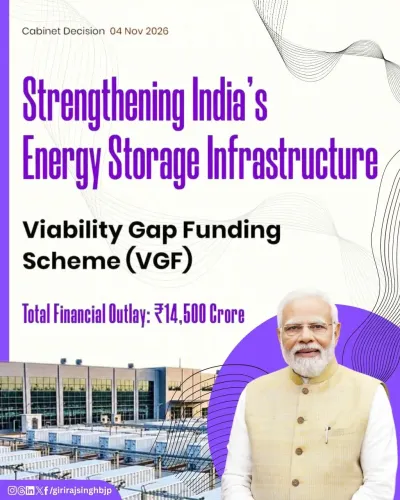
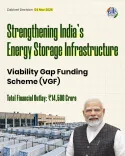
The Union Cabinet has approved a ₹14,500 crore Viability Gap Funding scheme to develop 92 GW of grid-scale energy storage in India, backing battery systems, pumped storage, and emerging technologies to ensure 24x7 renewable power supply and boost domestic manufacturing.
Key Takeaways
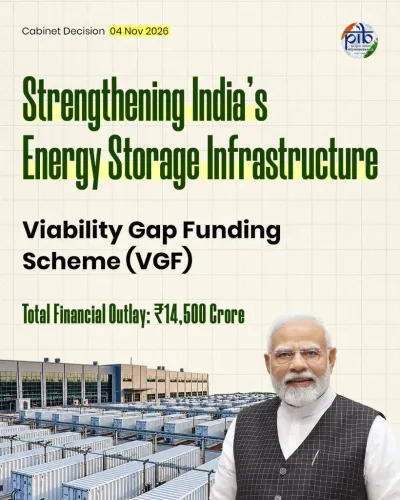
The Union Cabinet approved a ₹14,500 crore Viability Gap Funding (VGF) scheme for grid-scale energy storage.
The scheme targets 92 GW of storage capacity across Battery Energy Storage Systems, Pumped Storage Projects, and emerging technologies.
The goal is to deliver round-the-clock reliable and affordable electricity by smoothing out renewable energy intermittency.
The plan explicitly aims to accelerate indigenous battery and storage manufacturing under the Atmanirbhar Bharat framework.
Rajasthan CM Bhajan Lal Sharma endorsed the decision, linking it to PM Modi's energy self-reliance agenda.
India's COP26 pledge of 500 GW non-fossil capacity by 2030 makes large-scale storage infrastructure a grid-stability necessity.
India's power grid is about to get a future-proof backbone. Rajasthan Chief Minister Bhajan Lal Sharma welcomed the Union Cabinet's approval of a ₹14,500 crore Viability Gap Funding (VGF) scheme to build 92 gigawatts of grid-scale energy storage capacity — a move aimed at solving one of India's most stubborn clean-energy problems: keeping the lights on when the sun sets and the wind stills.
What the ₹14,500 Crore Cabinet Decision Actually Does
Posting on Wednesday, November 4, 2026, CM Sharma described the scheme as empowering the energy sector 'in line with the needs of the future' — 'भविष्य की जरूरतों के अनुरूप सशक्त बनाने के लिए' — under Prime Minister Narendra Modi's leadership. The VGF mechanism bridges the financial gap between what storage projects cost to build and what the market can currently pay, making projects commercially viable that would otherwise never break ground.
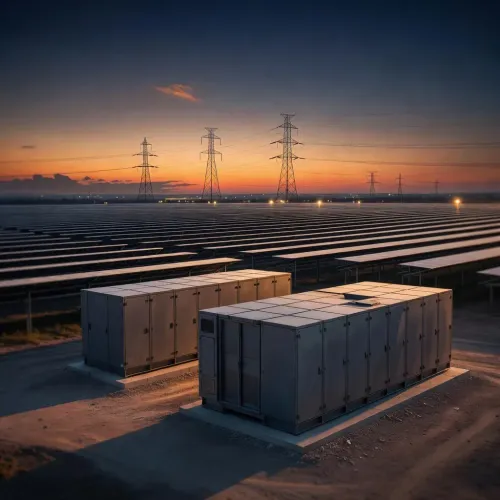
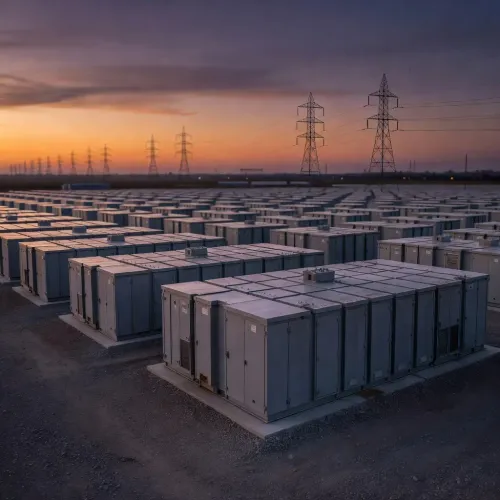
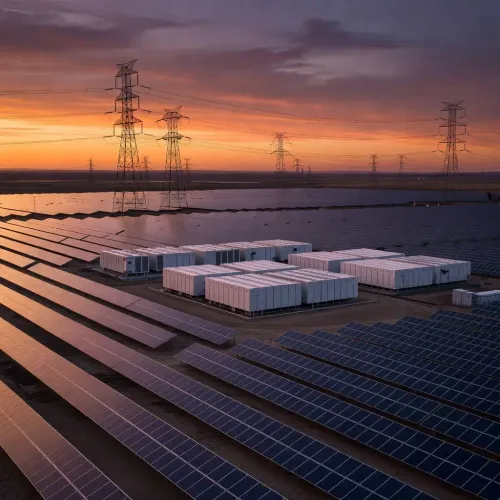
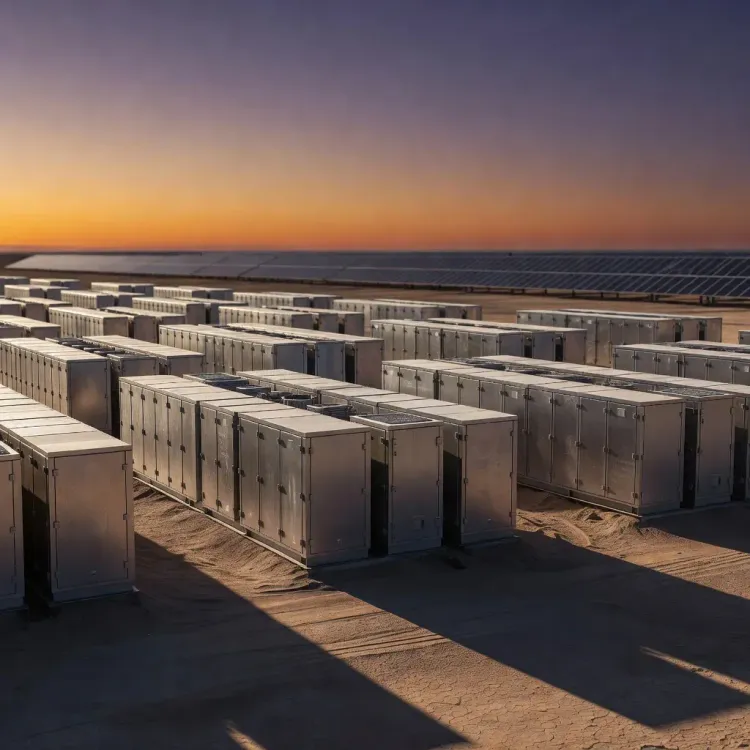
The scheme targets three storage technologies: Battery Energy Storage Systems (BESS), Pumped Storage Projects (PSP), and emerging storage technologies. Each fills a different niche — BESS for rapid-response grid balancing, pumped hydro for large-scale overnight reserves, and next-generation technologies to future-proof the investment.
The Intermittency Problem India Has Been Racing to Solve
India made a headline pledge at COP26 in 2021: 500 GW of non-fossil fuel electricity capacity by 2030. The ambition is real. So is the engineering challenge. Solar and wind generation is inherently variable — it floods the grid at peak production and disappears overnight. Without storage, every gigawatt of renewable capacity added creates a matching headache for grid operators trying to maintain stable frequency and voltage.
The 92 GW storage target is precisely sized to absorb that variability at scale. Paired storage does not just prevent blackouts — it allows grid operators to dispatch renewable power on demand, effectively converting intermittent generation into firm, schedulable electricity. That is what 'round-the-clock reliable and affordable power supply' — 'चौबीसों घंटे विश्वसनीय एवं किफायती बिजली आपूर्ति' — actually requires at the engineering level.
Atmanirbhar Energy: The Manufacturing Bet Inside the Storage Plan
The scheme carries an explicit industrial-policy dimension. CM Sharma highlighted that it will 'accelerate indigenous manufacturing' — 'स्वदेशी विनिर्माण को गति देने' — and strengthen India's Atmanirbhar Bharat self-reliance in the energy sector. India currently imports the bulk of its lithium-ion battery cells, leaving the clean-energy transition exposed to global supply-chain shocks.
VGF-backed demand signals to domestic and foreign investors that large, bankable storage projects will be tendered — creating the volume needed to justify localising cell manufacturing, electrode production, and battery management systems on Indian soil. Rajasthan, with its vast solar resources and several pumped-storage sites in the Aravalli range, stands among the states with the most to gain from rapid implementation.
What to Watch as This Scheme Takes Shape
The Cabinet decision opens the starting gun; the race now moves to tender design, project timelines, and state-level land and grid-connectivity frameworks. Rajasthan's own renewable ambitions — the state is already among India's top solar producers — mean the scheme could accelerate project pipelines that have stalled for want of dispatchable backup capacity. Any expansion of Production-Linked Incentive programmes for battery components would multiply the manufacturing upside.
India is not alone in this race: the United States, China, and the European Union are all deploying state capital to anchor domestic battery supply chains. India's VGF play positions it in that contest — with a 92 GW storage ambition that, if achieved, would rank among the largest grid-storage programmes anywhere on earth.
The grid of 2030 is being funded today. Whether the tender machine can match the ambition on the ground is the question that will define this scheme's legacy.
Point of View
The scheme attempts to crowd in private capital at scale — a more sustainable fiscal approach than ownership-based models. For Rajasthan and other high-solar states, the downstream benefit is firm, dispatchable power that unlocks industrial investment currently deterred by grid unreliability. The embedded manufacturing push is the scheme's highest-stakes bet: if domestic BESS supply chains mature, India escapes the imported-cell dependency that currently makes its clean-energy transition geopolitically fragile.
NationPress
4 Nov 2026
Frequently Asked Questions
What is the ₹14,500 crore energy storage scheme approved by the Cabinet?
It is a Viability Gap Funding (VGF) scheme that provides financial support to make grid-scale energy storage projects commercially viable, targeting 92 GW of storage capacity through battery systems, pumped storage projects, and emerging technologies.
What is Viability Gap Funding and how does it work for energy storage?
Viability Gap Funding is a government grant that bridges the gap between the cost of building an infrastructure project and the revenue it can commercially earn, making otherwise unviable projects bankable for private investors.
Why does India need 92 GW of grid-scale energy storage?
Solar and wind power is intermittent — it generates at peak during the day but drops off at night or in low-wind periods. Large-scale storage allows that energy to be saved and dispatched on demand, ensuring stable 24x7 supply as India targets 500 GW of renewable capacity by 2030.
How does this energy storage scheme support Atmanirbhar Bharat?
By creating guaranteed large-scale demand for storage systems, the scheme incentivises domestic manufacturers to invest in battery cell production, electrode manufacturing, and related components, reducing India's dependence on imported battery technology.
What role will Rajasthan play in India's energy storage expansion?
Rajasthan is one of India's leading solar power producers and has potential pumped-storage sites in the Aravalli hills, positioning it as a key state for early implementation of the new storage scheme and its associated manufacturing investments.