CM Bhajanlal Sharma Flags Water Security as Rajasthan Priority
Synopsis
The Rajasthan CMO declared on 30 September 2026 that CM Bhajanlal Sharma's government is prioritising water security across India's largest and most water-stressed state, reinforcing a long-standing governance imperative shaped by arid geography and chronic groundwater depletion.
Key Takeaways
The Chief Minister's Office of Rajasthan posted on 30 September 2026 that water security is a priority for the state government.
CM Bhajanlal Sharma , in office since December 2023 , was directly tagged in the announcement.
Rajasthan is India's largest state by area and faces chronic water stress due to arid and semi-arid conditions.
The Indira Gandhi Nahar Pariyojana , commissioned progressively from the 1980s , remains the state's primary surface-water infrastructure lifeline.
No specific new scheme or expenditure figure was cited in the post; policy details are expected via state budget documents and assembly proceedings.
Farmers and rural households are the primary stakeholders of Rajasthan's water security framework.
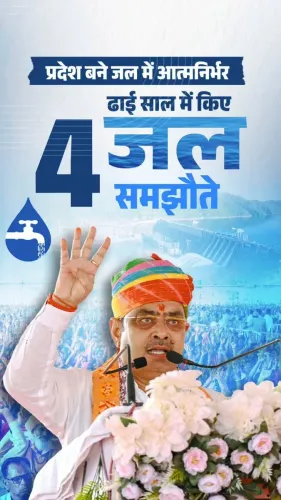
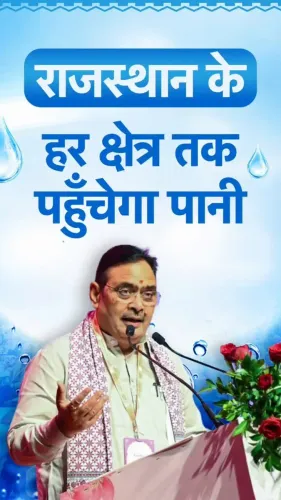
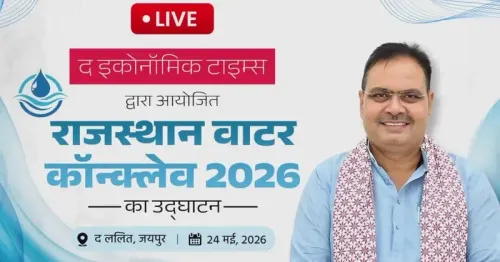
In a state where the desert is not a metaphor but a daily reality, water security is never a routine policy item — it is an existential one. The Chief Minister's Office of Rajasthan reaffirmed on Wednesday, 30 September 2026 that the state government, under Chief Minister Bhajanlal Sharma, is working with priority focus to ensure water security across the state.
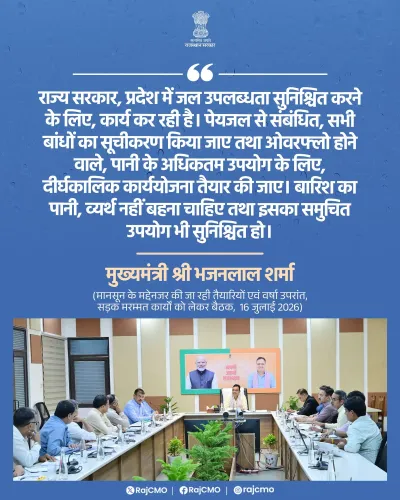
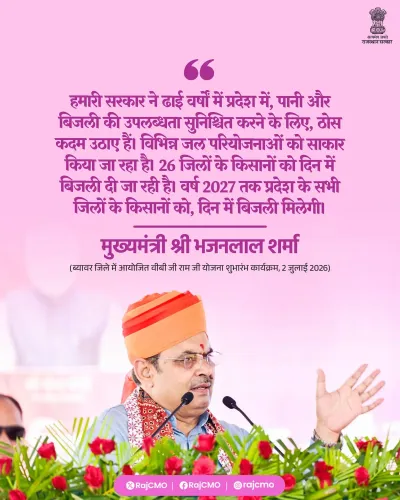
The post, tagged to CM Bhajanlal Sharma's official handle and carrying the hashtag #आपणो_अग्रणी_राजस्थान ('Our Leading Rajasthan'), stated plainly: 'राज्य सरकार प्रदेश में जल सुरक्षा सुनिश्चित करने के लिए, प्राथमिकता से कार्य कर रही है' — 'The state government is working on priority to ensure water security in the state.'
Why Rajasthan's Water Crisis Is Structurally Different
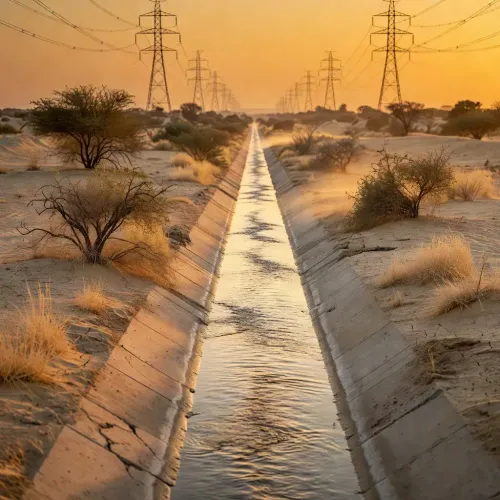
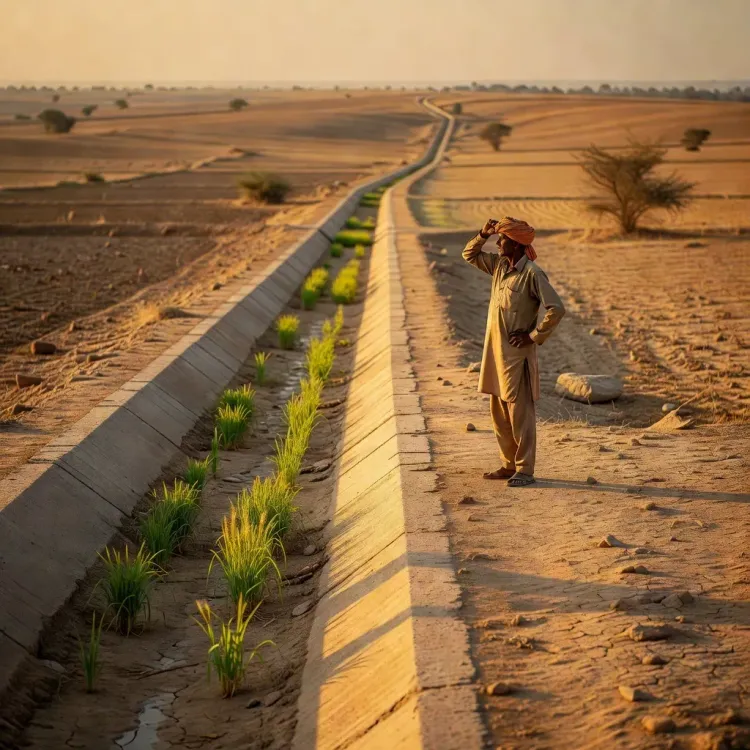
Rajasthan is India's largest state by area, and among its most water-stressed. Arid and semi-arid conditions dominate most of its geography, with chronically low average rainfall and high evapotranspiration rates that drain what little moisture the soil holds. Groundwater depletion across multiple districts has accelerated over decades, making surface-water infrastructure and conservation programmes not optional additions but the backbone of rural survival.
The state's primary surface-water lifeline — the Indira Gandhi Nahar Pariyojana, conceptualised in the 1960s and progressively commissioned from the 1980s onward — continues to serve vast stretches of western Rajasthan that would otherwise have no reliable water access. Successive governments, regardless of political colour, have treated water security as a non-negotiable governance priority precisely because the geography demands it.
Sharma Government's Place in a Long Policy Arc
Bhajanlal Sharma, sworn in as Chief Minister in December 2023, has consistently placed infrastructure and resource security at the centre of his administration's public messaging. The CMO's reaffirmation fits squarely within this pattern — farmers and rural households, the two groups most immediately exposed to water scarcity, remain the core constituency the state's water policy is designed to protect.
The broader toolkit that Rajasthan governments have historically deployed combines large canal networks, watershed development programmes, and regulatory measures on groundwater extraction. Whether the current administration is adding new budgetary weight or fresh regulatory teeth to these instruments is the question worth watching — state budget documents and assembly-session questions on water-conservation allocations will be the next real signal.
Rajasthan cannot afford to treat water policy as a press-release item. The land itself keeps the score.
Point of View
Which makes it a signal rather than a policy event — the Sharma government is staking public credibility on water security ahead of what are likely upcoming budget or legislative moments. For a BJP administration in Rajasthan, water is also electoral currency: the state's rural voter base is disproportionately dependent on irrigation access. The invocation of the hashtag 'Our Leading Rajasthan' frames water governance as a brand-building exercise, suggesting the government is preparing to claim visible wins on an issue where predecessor governments have also invested heavily. Analysts will watch whether concrete allocations follow the rhetoric.
NationPress
30 Sept 2026
Frequently Asked Questions
What did the Rajasthan CMO say about water security?
The Rajasthan CMO posted on 30 September 2026 that the state government under CM Bhajanlal Sharma is working on a priority basis to ensure water security across the state.
Why is water security such a big issue in Rajasthan?
Rajasthan is India's largest state by area and is predominantly arid and semi-arid, with low average rainfall, high evapotranspiration, and chronic groundwater depletion, making water access a survival issue for farmers and rural households.
What is the Indira Gandhi Nahar Pariyojana and why does it matter for Rajasthan?
The Indira Gandhi Nahar Pariyojana, conceptualised in the 1960s and commissioned progressively from the 1980s, is Rajasthan's primary surface-water canal system and the main lifeline for water supply in the state's western districts.
Who is Bhajanlal Sharma?
Bhajanlal Sharma is the BJP Chief Minister of Rajasthan, sworn into office in December 2023, who has emphasised state infrastructure and resource security as governance priorities.
Has Rajasthan announced any new water scheme in 2026?
The CMO's post did not cite any specific new scheme or statistic; concrete policy details are expected to emerge through state budget documents and assembly-session proceedings on water-conservation allocations.