CM Bhupendra Patel attends Shala Praveshotsav in Sanand
Synopsis
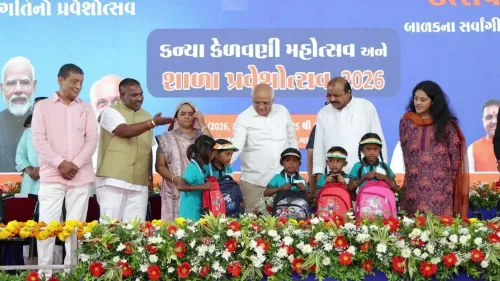
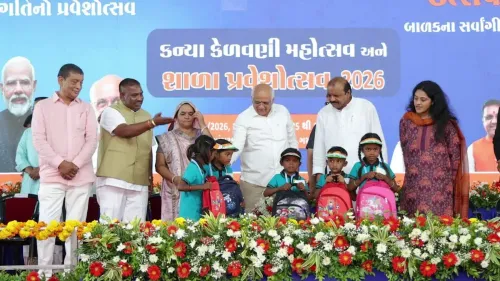
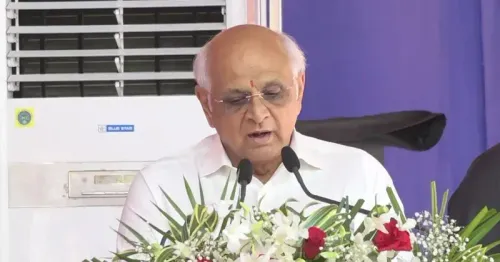
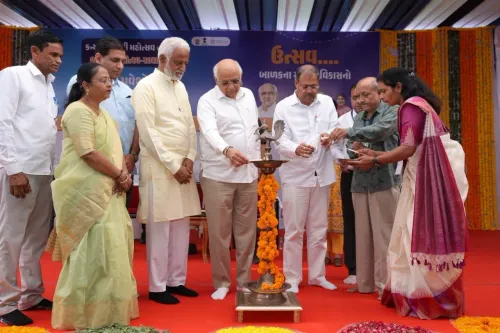
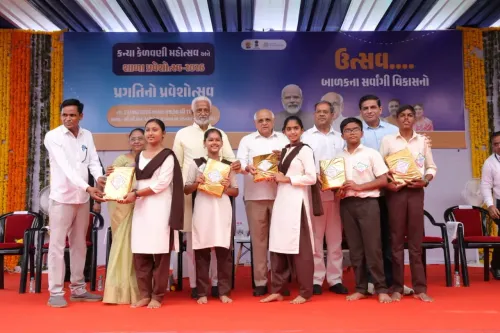
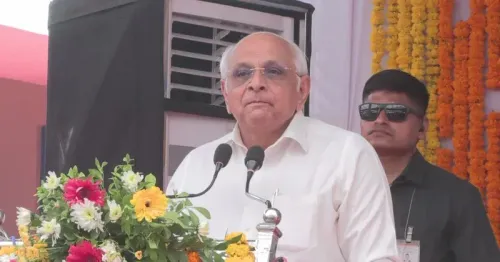
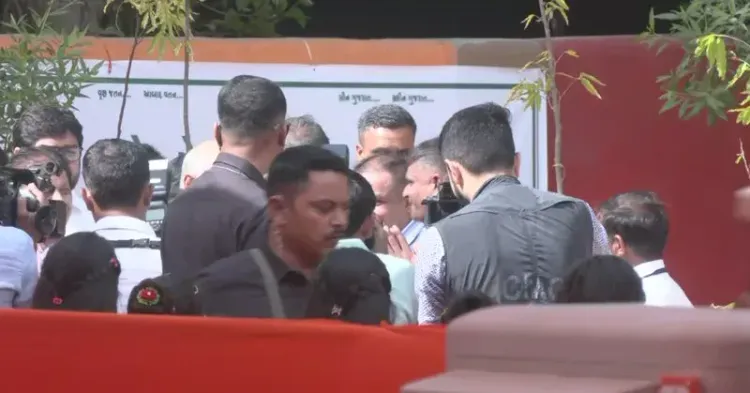
Chief Minister Bhupendra Patel attended the Shala Praveshotsav and Kanya Kelavani Mahotsav at Adarsh Pimpan Primary School in Sanand Taluka on 25 June 2026, continuing Gujarat's two-decade tradition of state-led annual drives to boost primary enrolment and girl-child education.
Key Takeaways
Chief Minister Bhupendra Patel was present at Adarsh Pimpan Primary School , Sanand Taluka , on 25 June 2026 for the combined enrolment and girl-education event.
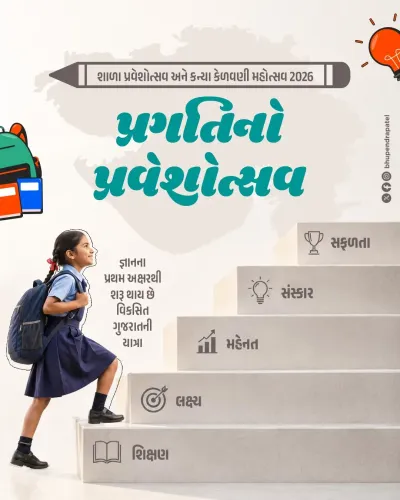
Shala Praveshotsav has been held annually since the early 2000s to drive primary school enrolment at the start of each academic year in Gujarat.
Kanya Kelavani Mahotsav was launched in 2004 to improve female literacy through community mobilisation and incentives.
The event was broadcast live on the official CMO Gujarat social media channel, reflecting its status as a flagship state initiative.
Sanand Taluka, a major industrial hub in Ahmedabad district , was chosen as the venue, highlighting the state's focus on education in rapidly developing areas.
District-wise enrolment data and potential follow-up scheme announcements are expected after the June 2026 drive concludes.
The Chief Minister's Office of Gujarat announced on Thursday, 25 June 2026 that Chief Minister Bhupendra Patel was present at Adarsh Pimpan Primary School in Sanand Taluka for the combined Shala Praveshotsav and Kanya Kelavani Mahotsav programme, broadcast live via the official CMO account.
Context
The post, written in Gujarati, announced: 'Shala Praveshotsav ane Kanya Kelavani Mahotsav karyakram' — the school enrolment festival and girl-child education celebration — being held in the 'inspiring presence' (prerak upasthitimaa) of the Chief Minister. The event was streamed live, signalling its importance as a flagship state initiative rather than a routine administrative function.
Adarsh Pimpan Primary School in Sanand Taluka, Ahmedabad district, served as the venue. Sanand is best known as a hub of large-scale industrial activity, including automobile manufacturing, making the choice of a government primary school there a deliberate signal about balancing industrial growth with foundational education.
Policy Backdrop
Shala Praveshotsav has been organised annually since the early 2000s to drive primary-school enrolment at the start of each academic year across Gujarat. The drive involves senior politicians, including the Chief Minister, personally welcoming children into classrooms to generate community momentum.
Kanya Kelavani Mahotsav — the girl-child education festival — was launched in 2004 to raise female literacy through community mobilisation and targeted incentives. Over more than two decades, Gujarat governments have run these two drives together every June, aligning state-level literacy goals with national programmes such as Sarva Shiksha Abhiyan. The combined format amplifies reach by bringing both general enrolment and gender-focused messaging under a single public event.
Stakeholders and Impact
The primary beneficiaries are girl students and primary school children across Gujarat, particularly in talukas where dropout rates and gender gaps in enrolment remain a concern. Rural and rapidly industrialising areas like Sanand receive particular attention because economic migration and shifting family priorities can disrupt school attendance.
Community leaders, parents, teachers, and local elected representatives are traditionally mobilised during these drives to pledge support for sustained enrolment. The Chief Minister's direct participation is intended to reinforce that the state's commitment to foundational education extends beyond urban centres.
What's Next
District-wise enrolment figures compiled after the June 2026 drive will be a key indicator of the programme's reach this year. Observers will also watch for any follow-up announcements on classroom infrastructure, teacher recruitment, or gender-specific incentive schemes that typically accompany or follow the Kanya Kelavani Mahotsav.
With Gujarat's industrial corridors expanding into talukas like Sanand, the state faces a dual challenge: sustaining enrolment momentum in communities undergoing rapid economic change while closing persistent gender gaps in primary education. The annual June drive remains the government's most visible tool for addressing both.
Point of View
Signalling that the BJP-led Gujarat government sees foundational education as inseparable from its economic growth narrative. The two-decade continuity of Shala Praveshotsav and Kanya Kelavani Mahotsav across successive Gujarat administrations suggests these drives have become institutionalised political capital, not merely administrative exercises. The live broadcast amplifies the symbolic reach well beyond Sanand, turning a local school visit into a statewide visibility moment. Whether the optics translate into measurable gains in enrolment and female retention will depend on the district-level data released in the weeks ahead.
NationPress
25 Jun 2026
Frequently Asked Questions
What is Shala Praveshotsav in Gujarat?
Shala Praveshotsav is an annual school enrolment festival organised by the Gujarat government since the early 2000s to encourage parents to admit children to primary schools at the start of each academic year. Senior ministers, including the Chief Minister, personally visit schools to welcome new students and build community momentum.
What is Kanya Kelavani Mahotsav?
Kanya Kelavani Mahotsav is a state-wide girl-child education festival launched in Gujarat in 2004. It aims to improve female literacy and school enrolment through community mobilisation, public pledges, and targeted incentives for families of girl students.
Where was the 2026 Shala Praveshotsav held with CM Bhupendra Patel?
The 2026 event attended by Chief Minister Bhupendra Patel was held at Adarsh Pimpan Primary School in Sanand Taluka, Ahmedabad district, Gujarat, on 25 June 2026.
Why is Sanand significant for an education event?
Sanand Taluka is primarily known as a major industrial hub in Ahmedabad district, home to large automobile manufacturing units. Holding a flagship education drive there underscores the state government's intent to ensure foundational schooling keeps pace with rapid industrial and economic development in the area.
What happens after Shala Praveshotsav each year?
After the June drive, district-wise enrolment figures are typically compiled and released by the Gujarat government. Authorities may also announce additions to classroom infrastructure, teacher recruitment, or new gender-specific incentive schemes based on the data gathered during the festival period.