CM Bhupendra Patel directs time-bound Swagat grievance action
Synopsis
Gujarat Chief Minister Bhupendra Patel has directed all district collectors and department officers to resolve public grievances within timelines after the November 2026 State Swagat in Gandhinagar. He credited Prime Minister Narendra Modi's 2003 technology-led Swagat push as a medium of citizen trust and good governance.
Key Takeaways
Gujarat Chief Minister Bhupendra Patel directed action on citizen applications heard at the November 2026 State Swagat in Gandhinagar.
All district collectors and concerned department officers were told to resolve public grievances with a positive approach within timelines.
Patel credited Prime Minister Narendra Modi with starting the technology-based Swagat initiative.
Swagat was launched in Gujarat in 2003 as a structured public grievance redressal system.
He called prompt, sensitive resolution of citizens' problems the government's priority.
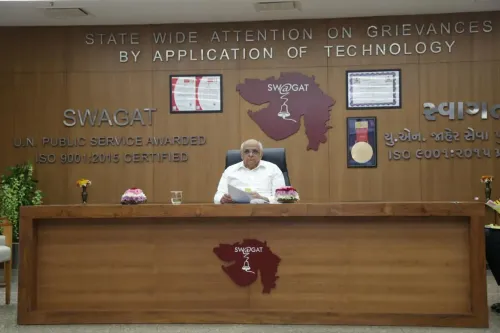
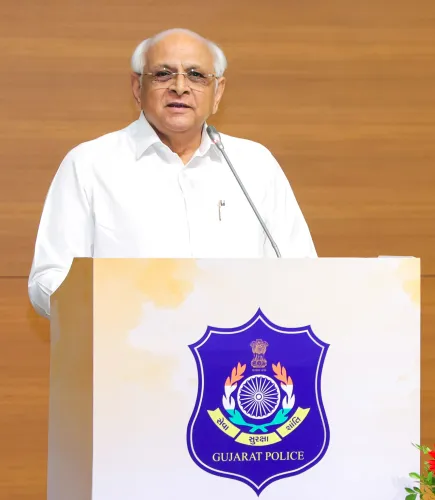
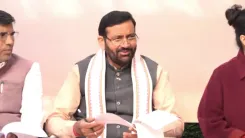
Gujarat Chief Minister Bhupendra Patel has ordered every district collector and department officer to resolve public grievances within set timelines after hearing citizen petitions at the November 2026 State Swagat programme in Gandhinagar. On 26 November 2026 he made time-bound, sensitive redressal the government's stated first duty.
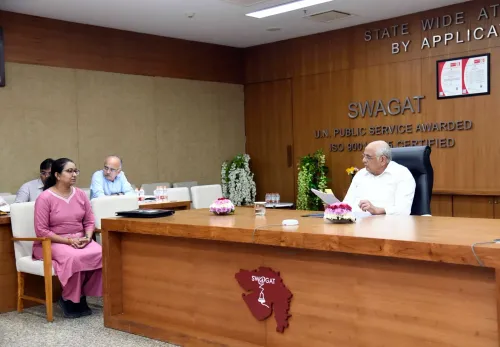
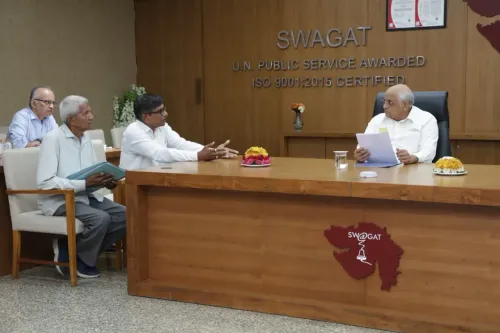
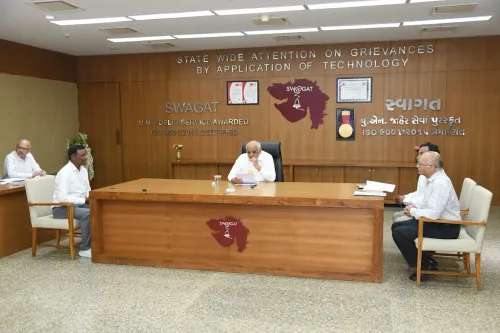
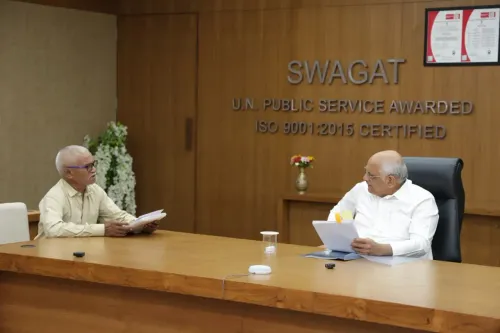
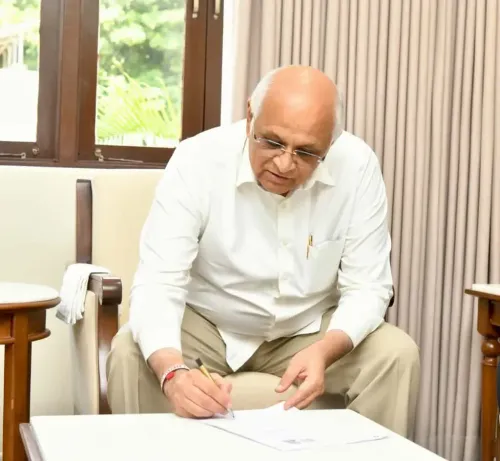
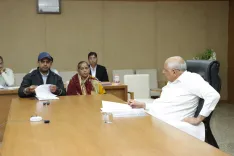
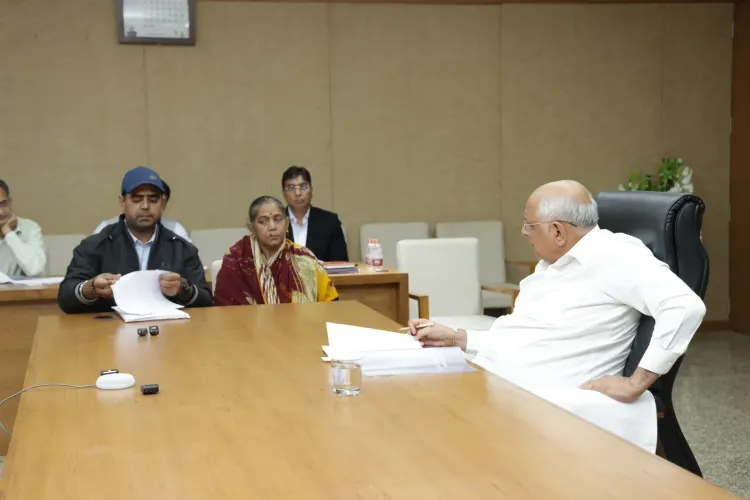
In his post, Patel said he had listened to citizens' representations at the state-level Swagat sitting and directed that necessary action be taken on the applications. All district collectors and officers of concerned departments, he wrote, must bring solutions to public complaints with a positive approach and inside the prescribed time limit.
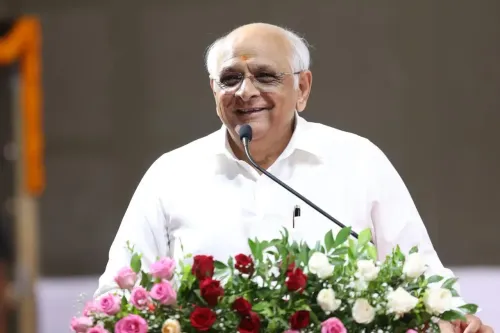
He described the technology-driven Swagat initiative started by Prime Minister Narendra Modi as having become an effective medium of the common person's trust and of good governance. Listening to citizens' problems with sensitivity and delivering a prompt, positive resolution, he said, is the government's priority.
Collectors told to close every Swagat file on time
The order lands on the officials who actually move a complaint from a hearing room to a closed file. Patel's instruction is not a general pep talk. It names district collectors and the officers of related departments, and it binds them to two tests: a positive approach, and a deadline.
That pairing is the operational heart of Gujarat's grievance machinery. A citizen walks in, or files a petition; the state records it; the district is expected to answer. Time-bound closure is how the system claims it is more than a photo opportunity.
The 2003 Swagat line that still runs through Gujarat
Swagat is not a new slogan. Then Gujarat Chief Minister Narendra Modi launched the structured, technology-backed public grievance redressal system in 2003. Monthly sittings, tracked applications, and a chain of accountability from the state capital down to the district were the original design.
Two decades later, Patel is still selling the same promise: that a common citizen's file will not disappear into a corridor. He credits the Prime Minister's technology-first start for turning Swagat into what he calls a capable medium of trust and sushasan (good governance).
What the November sitting puts on the table
The November 2026 State Swagat in Gandhinagar is the latest statewide edition of that pipeline. Patel says representations were heard and that applications must now see necessary action. The public claim is simple: government will listen with sensitivity and close the loop fast.
What to watch is not the speech. It is whether collectors actually dispose of those November petitions inside the clock, and how that state system sits alongside the national grievance architecture. Gujarat has long treated e-governance as a political product. This sitting is another test of whether the product still works at the counter.
The file is open. The deadline, Patel has now said, is not optional.
Point of View
Tech-tracked grievance redressal born when Narendra Modi was chief minister in 2003. Bhupendra Patel's order to collectors and department officers keeps that brand operational rather than ceremonial, tying political credit to file disposal. The broader arc is familiar — e-governance as the BJP's preferred language of delivery in Gujarat, now restated from Gandhinagar with the Prime Minister named as originator. The test remains mundane and measurable: whether November 2026 petitions actually close on time.
NationPress
26 Nov 2026
Frequently Asked Questions
What is Gujarat's Swagat programme?
Swagat is Gujarat's technology-based public grievance redressal system for tracking and resolving citizen complaints. It was started in 2003 when Narendra Modi was chief minister and uses structured sittings from the state capital down to districts.
Who launched the Swagat initiative in Gujarat?
Prime Minister Narendra Modi launched Swagat in 2003 as Gujarat chief minister. Bhupendra Patel has credited that technology-led start with turning it into a medium of citizen trust and good governance.
What did Bhupendra Patel direct after the November 2026 State Swagat?
He directed all district collectors and officers of concerned departments to resolve public grievances with a positive approach and within prescribed timelines. He said necessary action must be taken on applications heard at the Gandhinagar sitting.
Where was the November 2026 State Swagat programme held?
The state-level Swagat programme was held in Gandhinagar, the capital of Gujarat. That is where Patel said he listened to citizens' representations.
Why does Gujarat still use Swagat for citizen complaints?
Gujarat has treated time-bound, tech-tracked grievance redressal as a core administrative reform since 2003. Patel's latest order restates that listening with sensitivity and closing files promptly remains the government's priority.