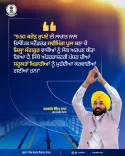
CM Chhattisgarh's health drive reaches remote Sukma village

Synopsis
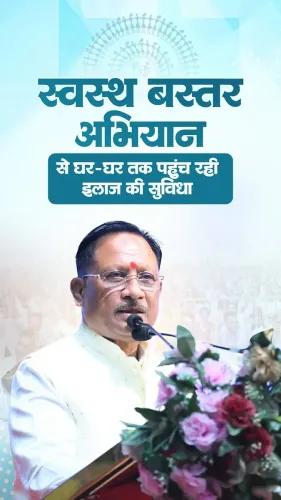
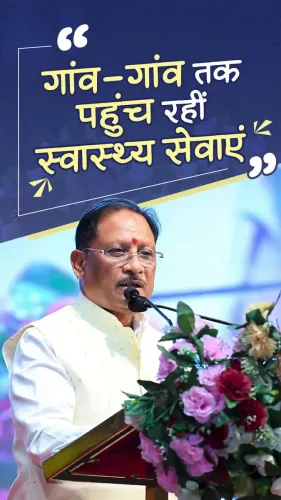
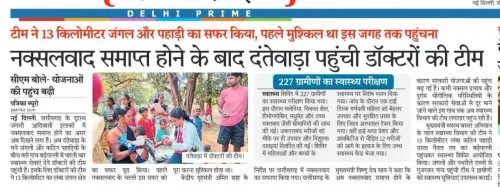
The Chief Minister's Office of Chhattisgarh on 1 July 2026 showcased the Mukhyamantri Swasth Bastar Abhiyan reaching Gumdi village in Sukma, where health teams treated malnourished children including young Ganesh, underscoring the state's push to deliver primary care to remote tribal communities.
Key Takeaways
The Chief Minister's Office of Chhattisgarh posted on 1 July 2026 about the Mukhyamantri Swasth Bastar Abhiyan reaching Gumdi village, Sukma district .
State health department teams identified and treated malnourished children, including a child named Ganesh , in one of the region's most inaccessible hamlets.
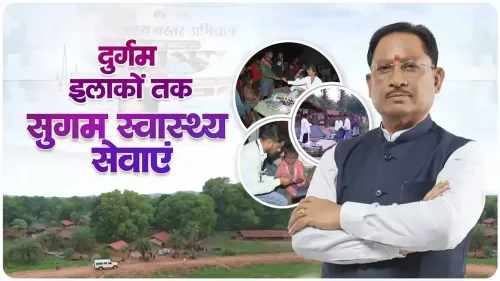
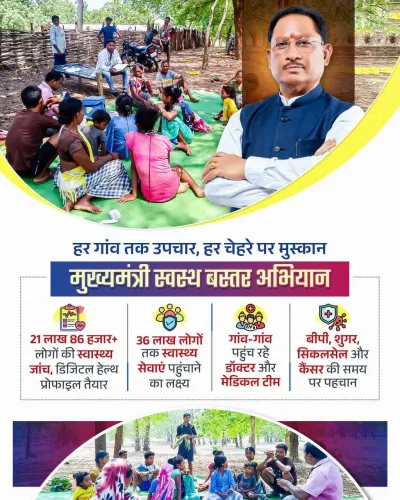
The Abhiyan provides check-ups, treatment, and medical advice to residents ranging from children to the elderly in remote Bastar villages.
Sukma is the southernmost district of Chhattisgarh, with a predominantly Scheduled Tribe population and historically limited access to primary healthcare.
The initiative builds on Chhattisgarh's participation in National Health Mission tribal health components dating to 2013-14 and state malnutrition drives documented since 2016 .
The CMO framed the drive under the 'Sushaasan Sarkar' (good governance) pledge to reach 'the last person in the state' with health services.
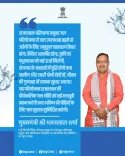
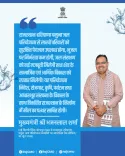
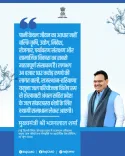
The Chief Minister's Office of Chhattisgarh on 1 July 2026 highlighted the reach of the Mukhyamantri Swasth Bastar Abhiyan into Gumdi village, Sukma district, sharing how a state health department team identified and treated malnourished children, including a young boy named Ganesh, in one of the region's most inaccessible hamlets.
Context
The post, shared in Hindi, describes the scene when the health team arrived in Gumdi, a remote settlement in Sukma — the southernmost district of Chhattisgarh. According to the Chief Minister's Office, children like little Ganesh ('Ganesh') were frequently falling ill due to malnutrition. The team prioritised their treatment, and the post states that Ganesh is now healthy and his family is happy. The CMO described the camp as bringing 'great relief' to residents, with check-ups, treatment, and medical advice available for children and the elderly alike.
Policy Backdrop
The Mukhyamantri Swasth Bastar Abhiyan is a Chhattisgarh state initiative designed to deploy mobile health outreach camps specifically in the remote tribal blocks of the Bastar division, which encompasses seven districts in southern Chhattisgarh. The region has historically faced acute gaps in primary healthcare delivery owing to difficult terrain and, for much of the past two decades, security constraints in Left-Wing Extremism-affected blocks.
Chhattisgarh has participated in National Health Mission tribal health components since 2013-14, with state-level special drives targeting malaria and malnutrition in Bastar documented from 2016 onward. The current Abhiyan builds on this lineage by pairing health delivery with nutrition screening, aiming to improve human development indicators in villages that regular primary health centres rarely reach.
Stakeholders and Impact
The primary beneficiaries of the Abhiyan are tribal children and elderly residents of interior Bastar villages, populations that face disproportionately high rates of malnutrition and communicable disease. Sukma district, with its predominantly Scheduled Tribe population, has long been cited as one of the most underserved districts in the state for health indicators.
The Chhattisgarh Health Department teams conduct on-site screening, basic treatment, and referral services during these camps. By reaching households in villages such as Gumdi, the initiative attempts to bridge the gap between formal health infrastructure and communities that may be days of travel from the nearest functional facility. The CMO framed this effort under the slogan Sushaasan Sarkar ('good governance government'), stating the administration's resolve to deliver better health services to 'the last person in the state.'
What's Next
Analysts and public health observers will watch for district-level malnutrition and outpatient data from Sukma following the current round of camps to assess measurable outcomes of the Abhiyan. There is also the possibility of integration with upcoming state nutrition mission reviews, which could expand the scope of nutrition screening tied to these mobile health drives.
The broader test for the programme will be whether periodic camps translate into sustained health improvements — through follow-up visits, medicine supply chains, and referral pathways — for the most vulnerable tribal households in Chhattisgarh's southern districts.
Point of View
Using a named child's recovery story to humanise a state-run outreach programme in a district better known for security challenges than health milestones. By anchoring the narrative in Sukma — historically one of Chhattisgarh's most conflict-affected and underserved districts — the ruling dispensation is signalling a 'development dividend' in regions where the state's presence was long contested. The Mukhyamantri Swasth Bastar Abhiyan fits a pattern seen across several BJP-governed states of branding mobile health outreach under a chief minister's name to personalise delivery and build political capital in tribal constituencies. The real policy test, however, lies beyond the camp: whether nutrition follow-up, medicine supply, and referral systems are robust enough to convert periodic visits into durable health gains for Bastar's tribal communities.
NationPress
1 Jul 2026
Frequently Asked Questions
What is the Mukhyamantri Swasth Bastar Abhiyan?
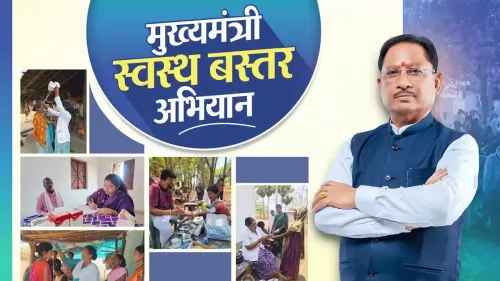
The Mukhyamantri Swasth Bastar Abhiyan is a Chhattisgarh government initiative that deploys state health department teams to conduct mobile medical camps in remote and tribal villages of the Bastar division, providing check-ups, treatment, nutrition screening, and medical advice to underserved communities.
Where is Gumdi village and why is it significant?
Gumdi is a remote village in Sukma district, the southernmost district of Chhattisgarh. It is significant because its difficult terrain and historically limited infrastructure have made regular health service delivery extremely challenging, making it a key target area for outreach programmes like the Mukhyamantri Swasth Bastar Abhiyan.
What health problems do tribal children in Sukma face?
Tribal children in Sukma district, like young Ganesh mentioned in the CMO's post, frequently suffer from malnutrition-related illnesses. The district's remote terrain and gaps in primary healthcare access have historically contributed to poor nutrition and health indicators among its predominantly Scheduled Tribe population.
How long has Chhattisgarh been running health camps in Bastar?
Chhattisgarh has participated in National Health Mission tribal health components since 2013-14, and state-level special drives targeting malaria and malnutrition in Bastar districts have been documented from 2016 onward under successive governments.
What does 'Sushaasan Sarkar' mean in the context of this health drive?
'Sushaasan Sarkar' translates to 'good governance government' and is the slogan the Chhattisgarh CMO uses to frame its commitment to reaching every citizen, including the most remote tribal residents, with essential services such as healthcare.