CM Conrad Sangma flags anaemia crisis at Shillong workshop
Synopsis
Meghalaya CM Conrad Sangma attended the 'Rethinking Anaemia' workshop in Shillong on 4 November 2026, calling for root-cause interventions, community-level delivery and structured six-monthly state health reviews to tackle persistent anaemia among women and children.
Key Takeaways
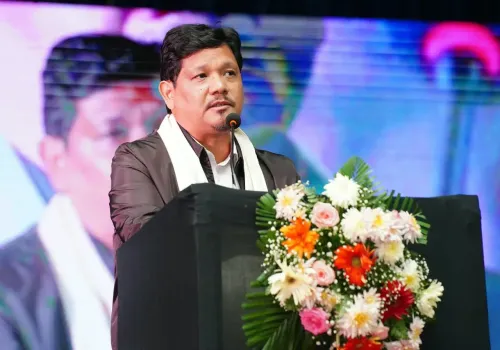
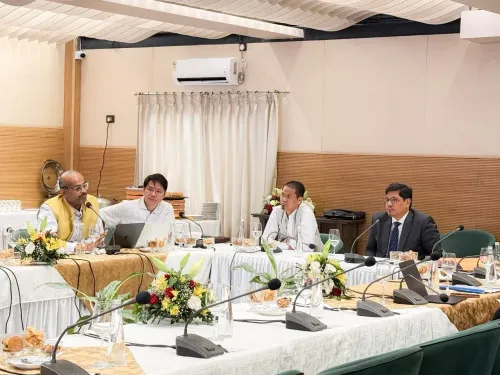
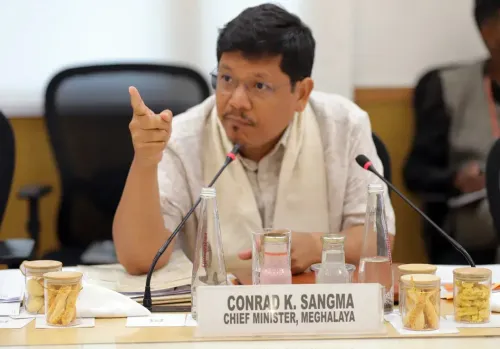
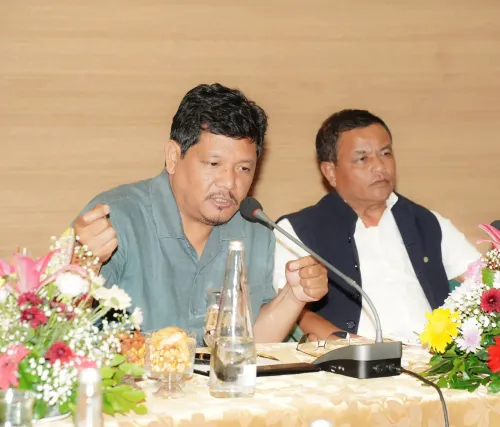
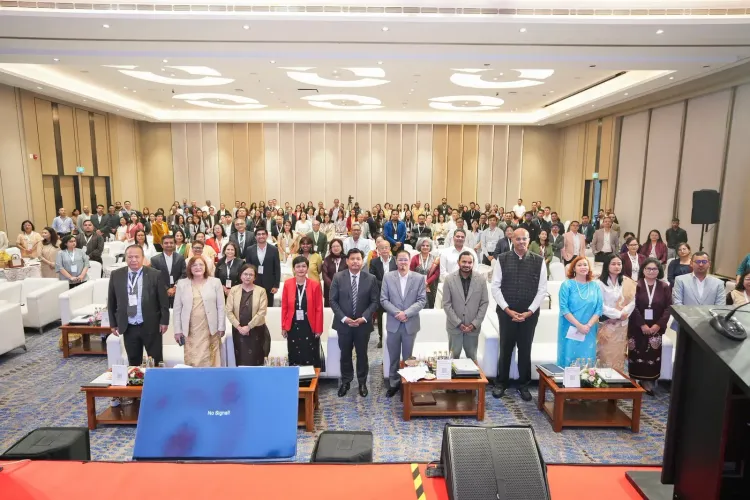
CM Conrad Sangma attended the inaugural session of the 'Rethinking Anaemia: Towards Comprehensive Anaemia Care' workshop in Shillong on 4 November 2026 .
Anaemia remains a critical public health challenge in Meghalaya , particularly among women and children .
Sangma called for a collective approach uniting government departments, medical experts and development partners .
The state will conduct health reviews every six months, or at least annually , building on the Meghalaya Health Summit model.
He urged partners to carry expertise directly to villages and communities for last-mile impact.
The post tagged J.P.
Nadda , signalling active centre-state coordination on the health agenda.
Anaemia is quietly stealing the health of Meghalaya's women and children — and Meghalaya Chief Minister Conrad Sangma wants that to change. On Wednesday, 4 November 2026, he attended the inaugural session of the 'Rethinking Anaemia: Towards Comprehensive Anaemia Care' workshop in Shillong, calling for a sharp, collective push beyond routine scheme delivery to address the root causes of one of the state's most persistent public health challenges.
A health burden hiding in plain sight
Anaemia — a condition marked by insufficient healthy red blood cells — disproportionately afflicts women and children across India's northeastern states, and Meghalaya is no exception. Despite being part of the national Anaemia Mukt Bharat programme launched in 2018, which targets the condition through supplementation, food fortification and community awareness, ground-level impact in tribal and rural belts has remained uneven. Sangma's presence at the workshop signals that the state government views the gap between scheme implementation and actual health outcomes as urgent — and unacceptable.
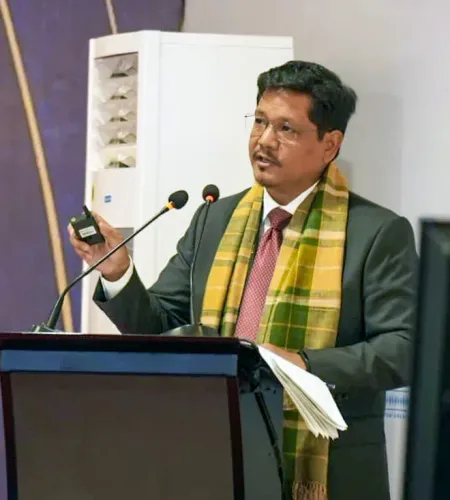
At the session, Sangma emphasised bringing together government departments, medical experts and development partners under one roof. 'Our efforts must go beyond implementing schemes to addressing the root causes and making a real difference in people's lives,' he stressed, urging partners to carry their expertise directly to villages and communities — 'where meaningful change begins.'
Six-monthly health reviews and the Meghalaya summit model
One of the sharper commitments to emerge from the workshop is a structural one: building on the Meghalaya Health Summit, the state government will take up key health concerns every six months, or at least annually, to drive focused action and measurable outcomes. That rhythm of accountability — a calendar-locked review rather than an ad hoc one — is a meaningful institutional signal in a state where coordinating departments, donors and medical bodies has historically been the hard part.
Sangma also reaffirmed the government's commitment to improving maternal and child health, two categories most acutely hit by anaemia. His post tagged J.P. Nadda, the senior BJP leader and former Union Minister of Health and Family Welfare, underscoring the centre-state coordination dimension of the initiative.
From workshops to villages: the accountability gap
The workshop's framing — 'rethinking' anaemia care rather than merely expanding it — reflects a broader frustration among state health planners. Schemes exist. Supplements are procured. Yet prevalence among women of reproductive age and children under five in tribal northeast states remains stubbornly high. Sangma's call to take expertise to villages and communities is a pointed acknowledgement that conference-room consensus must translate into last-mile delivery if Meghalaya is to build, as he put it, 'a healthier Meghalaya.'
The next concrete milestone to watch: whether the state issues a formal anaemia action plan in the coming weeks, and whether the promised six-month health review materialises on schedule in early 2027.
Point of View
Sangma is also positioning the state as a proactive partner in the Centre's public health architecture, which matters for resource allocation and political optics alike. The 'rethinking' framing is a subtle critique of the Anaemia Mukt Bharat programme's implementation gaps without directly confronting New Delhi. If the six-monthly review mechanism actually takes root, Meghalaya could offer a replicable model for how small northeastern states translate national health mandates into ground-level change.
NationPress
4 Nov 2026
Frequently Asked Questions
What is the 'Rethinking Anaemia' workshop in Shillong about?
It is a workshop titled 'Rethinking Anaemia: Towards Comprehensive Anaemia Care,' attended by Meghalaya CM Conrad Sangma on 4 November 2026, focused on tackling anaemia through awareness, early detection, prevention and comprehensive care, especially among women and children.
Why is anaemia a major health concern in Meghalaya?
Anaemia disproportionately affects women and children in Meghalaya's tribal and rural communities. Despite national programmes like Anaemia Mukt Bharat (launched in 2018), ground-level impact in northeastern states has remained uneven, making targeted state-level action necessary.
What is the Anaemia Mukt Bharat programme?
Anaemia Mukt Bharat is a Government of India programme launched in 2018 to reduce anaemia through iron-folic acid supplementation, food fortification and community awareness campaigns, targeting vulnerable groups including women and children.
What did Conrad Sangma announce at the anaemia workshop?
CM Sangma announced that Meghalaya will conduct structured health reviews every six months, or at least annually, building on the Meghalaya Health Summit model, to drive focused action and measurable outcomes on key health concerns including anaemia.
Why did CM Sangma tag J.P. Nadda in his post about the anaemia workshop?
J.P. Nadda is a senior BJP leader and former Union Minister of Health and Family Welfare. Tagging him signals active centre-state coordination on health initiatives and positions Meghalaya as a proactive partner in the national public health agenda.