CM Conrad Sangma Hosts NextGen e-Gov Reforms Meet in Shillong
Synopsis
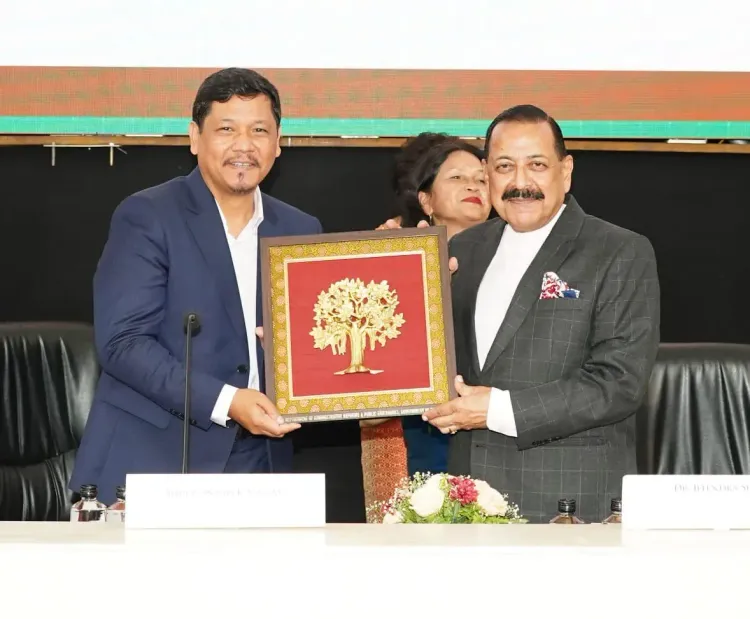
Meghalaya Chief Minister Conrad Sangma hosted Union MoS Dr. Jitendra Singh in Shillong on 13 July 2026 for the DARPG-organised National Conference on NextGen Administrative & e-Gov Reforms, spotlighting state initiatives like CM Connect and calling for people-centric, technology-enabled governance measured by citizen impact rather than scheme count.
Key Takeaways
Meghalaya CM Conrad Sangma welcomed Union MoS Dr.
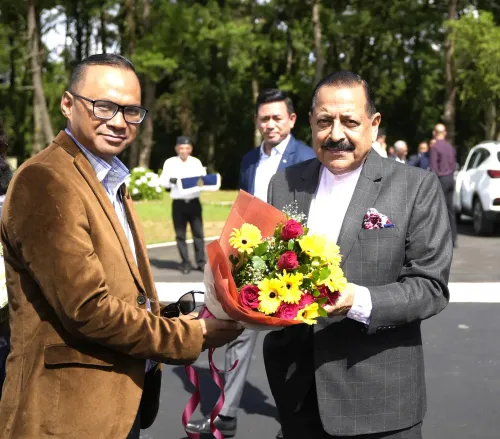
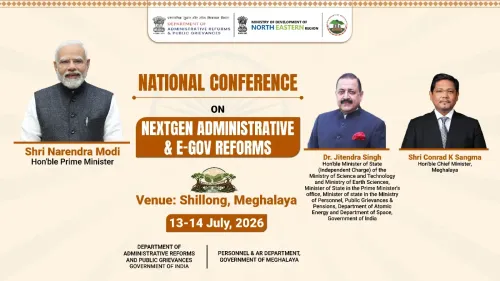
Jitendra Singh to Shillong on 13 July 2026 for the National Conference on NextGen Administrative & e-Gov Reforms .
The conference was organised by the Department of Administrative Reforms and Public Grievances (DARPG) , the central nodal agency for administrative reform.
CM Sangma cited CM Connect , Cabinet Retreat , and citizen feedback mechanisms as Meghalaya's working models of people-centric governance.
He argued that incremental improvements in 'daily systems, processes and mindset' often deliver greater impact than large-scale reforms alone.
The Chief Minister stressed that the true measure of governance is 'the positive difference we make in people's lives,' not the number of schemes implemented.
The conference outcomes and any new DARPG guidelines on process simplification are expected to shape state-level administrative action in the coming fiscal year.
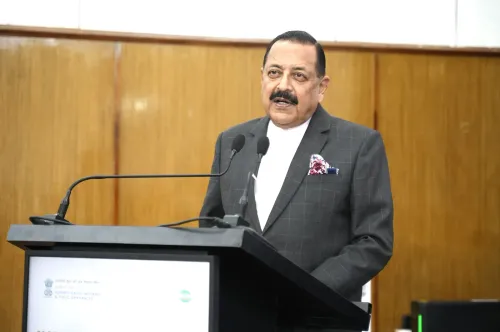
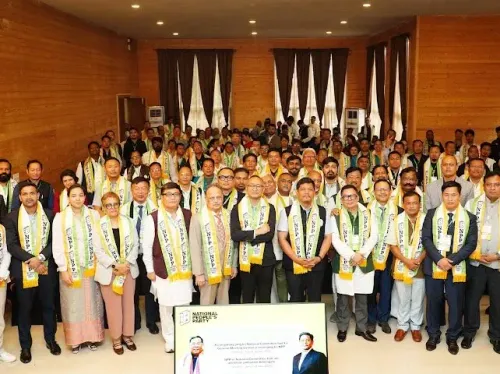
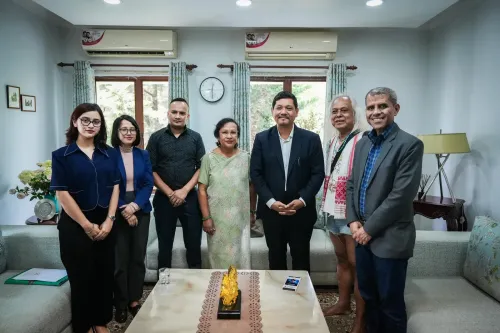
Meghalaya Chief Minister Conrad Sangma on Monday, 13 July 2026, welcomed Union Minister of State Dr. Jitendra Singh to Shillong for the National Conference on 'NextGen Administrative & e-Gov Reforms', using the occasion to articulate a governance philosophy centred on people-first design, technology enablement, and incremental process improvement.
Context
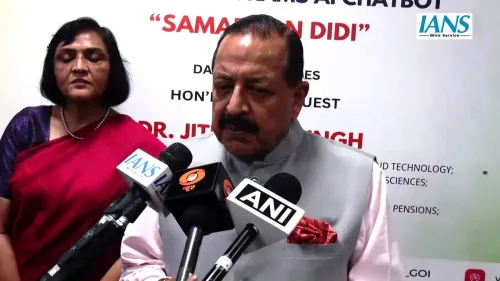
The national conference, organised by the Department of Administrative Reforms and Public Grievances (DARPG), brought together administrators and policymakers to deliberate on the next phase of technology-driven governance. Dr. Jitendra Singh, who holds the DARPG portfolio alongside science and technology responsibilities, was the senior central government representative at the event.
CM Sangma stated that 'meaningful administrative reform begins with a willingness to embrace change,' adding that while large-scale reforms matter, 'it is often the small improvements in our daily systems, processes and mindset that create the greatest impact.'
Policy Backdrop
The conference sits within a long arc of federal e-governance policy. India's National e-Governance Plan, approved in 2006, first set the template for electronic service delivery, while the Digital India programme, launched in 2015, accelerated technology integration across central and state administrations. The Second Administrative Reforms Commission, which submitted its reports between 2005 and 2009, had already recommended citizen-centric process re-engineering — recommendations that continue to inform state-level experiments.
Central and state governments have progressively layered localised mechanisms atop these national frameworks to reduce procedural delays and improve last-mile service delivery. Meghalaya has been among the states that supplement central schemes with state-specific feedback and coordination tools.
Meghalaya's Localised Initiatives
CM Sangma highlighted three Meghalaya-specific initiatives as evidence that people-centric governance yields measurable gains: CM Connect, a platform that routes citizen grievances and feedback directly to the Chief Minister's office; Cabinet Retreat, a structured exercise for executive-level policy deliberation; and citizen feedback mechanisms embedded in departmental workflows.
The Chief Minister argued that 'governance becomes more effective when it is people-centric, technology-enabled and driven by collaboration across departments,' framing inter-departmental coordination as equally important as digital infrastructure. He also drew a pointed distinction between scheme count and real-world impact: 'The true measure of governance is not the number of schemes we implement, but the positive difference we make in people's lives.'
Stakeholders and What's Next
The primary beneficiaries of the reform agenda discussed at the conference are Meghalaya's citizens and, more broadly, residents across states that adopt DARPG recommendations. State officials and district administrators are the immediate implementers, tasked with simplifying processes and removing bottlenecks at the ground level.
Attention will now turn to whether the conference produces concrete DARPG guidelines on process simplification and how quickly state governments, including Meghalaya, translate the deliberations into actionable administrative changes in the coming fiscal year. The sustained federal-state emphasis on measurable efficiency over scheme proliferation signals that future governance assessments may increasingly benchmark outcomes rather than outputs.
Point of View
Sangma is aligning with a broader federal narrative that has grown more prominent since the Digital India era, where the Centre has increasingly evaluated states on service-delivery metrics. The emphasis on 'small improvements' and 'mindset' also implicitly pushes back against the tendency to equate governance quality with headline announcements. Whether the conference translates into binding DARPG guidelines or remains an aspirational forum will determine how much policy weight these ideas carry beyond the podium.
NationPress
13 Jul 2026
Frequently Asked Questions
What is the National Conference on NextGen Administrative & e-Gov Reforms?
It is a national conference organised by the Department of Administrative Reforms and Public Grievances (DARPG) to deliberate on technology-driven and citizen-centric governance improvements across Indian states. The 2026 edition was held in Shillong, Meghalaya.
What is CM Connect in Meghalaya?
CM Connect is a Meghalaya government platform that enables citizens to submit grievances and feedback directly to the Chief Minister's office, serving as a direct channel between residents and the state's top executive.
Who is Dr. Jitendra Singh and why did he visit Shillong?
Dr. Jitendra Singh is the Union Minister of State holding the DARPG portfolio along with science and technology responsibilities. He visited Shillong on 13 July 2026 as the senior central government representative at the NextGen Administrative & e-Gov Reforms Conference.
What governance reforms has Meghalaya introduced under Conrad Sangma?
Under Chief Minister Conrad Sangma, Meghalaya has introduced CM Connect for direct citizen grievance redressal, Cabinet Retreat for structured executive policy deliberation, and citizen feedback mechanisms embedded in departmental processes to improve inter-departmental coordination.
What is DARPG and what does it do?
The Department of Administrative Reforms and Public Grievances (DARPG) is the central nodal agency under the Ministry of Personnel, Public Grievances and Pensions. It is responsible for driving administrative reforms and e-governance initiatives across India.