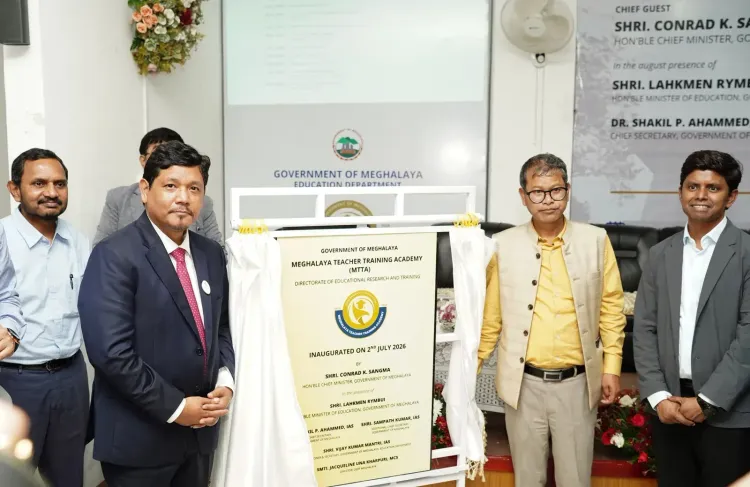
CM Conrad Sangma inaugurates Teacher Training Academy in Shillong
Synopsis
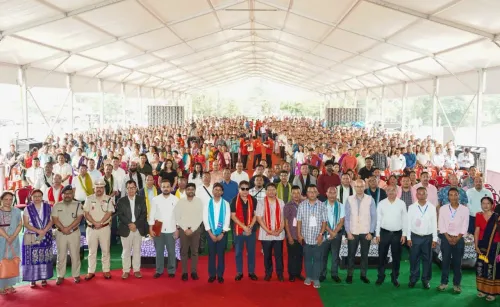
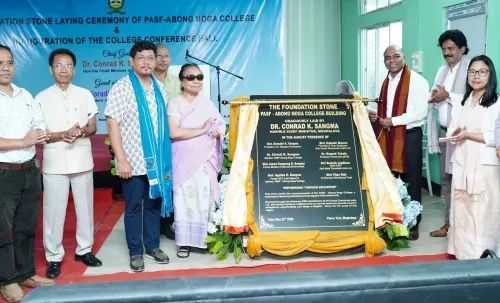
Meghalaya Chief Minister Conrad Sangma inaugurated the Meghalaya Teacher Training Academy at Malki, Shillong on July 2, 2026. The academy will deliver continuous professional development through a decentralised, technology-driven model, operationalising NEP 2020 provisions for teacher capacity building in the northeastern state.
Key Takeaways
Meghalaya Chief Minister Conrad Sangma inaugurated the Meghalaya Teacher Training Academy (MTTA) on July 2, 2026 .
The academy is located at Malki, Shillong and will serve as a permanent institution for teacher professional development in the state.
The MTTA will use a decentralised training model and technology-driven learning to reach teachers across Meghalaya's challenging terrain.
The initiative is aligned with the National Education Policy 2020 , which mandated dedicated teacher training institutions and continuous capacity building.
Union Minister of Education Dharmendra Pradhan was tagged in the announcement, indicating active state-Centre coordination.
The academy aims to improve learning outcomes for school students by equipping teachers with skills for holistic child development.
Meghalaya Chief Minister Conrad Sangma on Thursday, July 2, 2026, inaugurated the Meghalaya Teacher Training Academy (MTTA) at Malki, Shillong, marking what he described as an important milestone in the state's efforts to strengthen education quality. The academy is designed to provide continuous professional development for teachers across the state, with a focus on improving learning outcomes and equipping educators for the demands of a modern classroom.
Context
Sharing the development on social media, CM Sangma stated that the MTTA would operate through 'a decentralised training model, technology-driven learning, and a strong focus on capacity building' to 'transform our education system and preparing our teachers for the future.' He also tagged Union Minister of Education Dharmendra Pradhan, signalling active coordination between the state government and the Centre on the initiative.
The academy is located at Malki, a locality in Shillong, and is intended to serve as a permanent institutional home for teacher professional development in Meghalaya.
Policy Backdrop
The launch of the MTTA aligns closely with the provisions of the National Education Policy (NEP) 2020, which called for dedicated teacher training institutions and sustained professional development programs to raise school education standards across India. The NEP specifically emphasised continuous capacity building as a pillar of improved student learning outcomes.
At the national level, the Samagra Shiksha Abhiyan has provided funding support to states for building training infrastructure. Meghalaya's decentralised approach is particularly relevant given the state's challenging geography, with dispersed school populations across hilly and remote terrain that make centralised training models difficult to sustain.
Stakeholders and Impact
The primary beneficiaries of the MTTA are Meghalaya's schoolteachers, who will gain access to structured, ongoing professional development — a resource that has historically been limited in the northeastern state. Improved teacher preparedness is expected to have a downstream effect on student learning outcomes across government schools in the state.
Northeastern states have increasingly pursued decentralised, technology-enabled capacity-building models to address resource and connectivity constraints. The MTTA fits this regional pattern, and its establishment could serve as a reference point for similar initiatives in neighbouring states.
What's Next
Attention will now turn to the phased rollout of the MTTA's training modules and how the academy integrates technology into its delivery model. Measurable changes in student learning outcomes — as reflected in state education surveys and national assessments — will be a key indicator of the academy's effectiveness over time.
Further state-central coordination on NEP 2020 implementation milestones, with Union Minister Pradhan's office, is also expected as Meghalaya seeks to align its education reforms with the national policy framework.
Point of View
Moving from policy adoption to institutional infrastructure. By tagging Union Education Minister Pradhan, CM Sangma is also signalling political alignment with the Centre — a calculated move that could unlock greater federal support for the state's education agenda. The decentralised, technology-driven model is a pragmatic response to Meghalaya's geographic realities, and its success or failure will be closely watched by other northeastern states facing similar constraints. The true test, however, will be whether the academy translates institutional investment into measurable classroom outcomes.
NationPress
2 Jul 2026
Frequently Asked Questions
What is the Meghalaya Teacher Training Academy (MTTA)?
The Meghalaya Teacher Training Academy (MTTA) is a state institution inaugurated at Malki, Shillong, on July 2, 2026, dedicated to providing continuous professional development for teachers in Meghalaya through a decentralised and technology-driven model.
Where is the Meghalaya Teacher Training Academy located?
The MTTA is located at Malki, a locality in Shillong, the capital of Meghalaya.
Who inaugurated the Meghalaya Teacher Training Academy?
Meghalaya Chief Minister Conrad Sangma inaugurated the MTTA on July 2, 2026.
How does the MTTA relate to the National Education Policy 2020?
The MTTA directly operationalises NEP 2020 provisions that called for dedicated teacher training institutions and sustained professional development programs to improve school education quality across India.
What is the role of Dharmendra Pradhan in the MTTA launch?
Union Minister of Education Dharmendra Pradhan was tagged by CM Sangma in the inauguration announcement, indicating coordination between the Meghalaya state government and the Central government on the education initiative.