CM Dhami Inaugurates Uttarakhand Winter Yatra Season
Synopsis
Uttarakhand CM Pushkar Singh Dhami declared the start of the state's winter pilgrimage season on November 20, 2026, inviting pilgrims and tourists to experience Devbhoomi's Himalayan shrines, faith, and natural beauty through the colder months.
Key Takeaways
Uttarakhand CM Pushkar Singh Dhami announced the commencement of the winter yatra season on November 20, 2026 .
The announcement extends a welcome to both pilgrims and tourists to experience Devbhoomi's spiritual and natural landscape in winter.
Dhami tagged PM Narendra Modi, Amit Shah, Rajnath Singh, and the PMO , signalling central government alignment with the initiative.
The Char Dham National Highway project , approved in 2016 , underpins year-round pilgrimage access to Uttarakhand's mountain shrines.
Extending the pilgrimage season is a deliberate state policy to generate off-season economic activity for Himalayan communities.
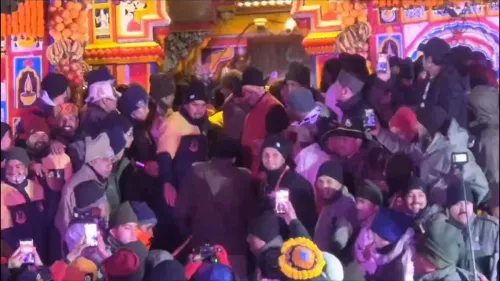
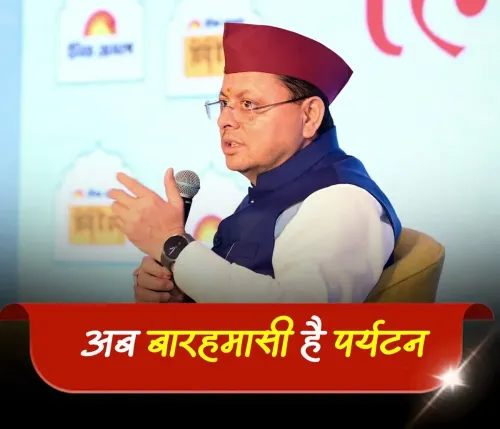
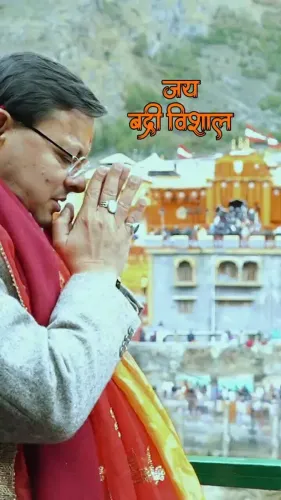
The mountains are calling — and this time, they will not go silent with the first snowfall. Uttarakhand Chief Minister Pushkar Singh Dhami on Friday, November 20, 2026, formally announced the commencement of the winter pilgrimage season across Devbhoomi Uttarakhand, extending a warm welcome to pilgrims and tourists to experience the Himalayas in their most spiritually charged season.
Posting on X, CM Dhami wrote in Hindi: 'देवभूमि उत्तराखण्ड में शीतकालीन यात्रा का शुभारंभ हो चुका है' — 'The winter yatra in Devbhoomi Uttarakhand has begun' — describing the journey as one filled with 'faith, spirituality and the extraordinary natural beauty of the Himalayas.' He extended a heartfelt welcome to all devotees and tourists.
Devbhoomi in Winter: Why the Season Matters
Uttarakhand earns its title of Devbhoomi — the Land of the Gods — through a constellation of some of Hinduism's most sacred pilgrimage sites. For decades, the high-altitude shrines drew visitors almost exclusively during the summer months, leaving the local economy idle once snow closed the passes.
The push to extend pilgrimage activity into the winter months has been a deliberate policy shift. Uttarakhand's tourism policy revisions in the 2010s explicitly targeted off-season pilgrim footfall, and the Char Dham National Highway project, approved in 2016 under the central government, was designed precisely to give year-round connectivity to these mountain corridors — turning a seasonal surge into a sustained economic engine.
Central Government in the Frame
Dhami's post pointedly tagged Prime Minister Narendra Modi, Home Minister Amit Shah, Defence Minister Rajnath Singh, and the PMO — a signal that this is not just a state celebration but part of a broader BJP-led alignment between cultural heritage promotion and national governance. The central government's investment in Himalayan connectivity infrastructure forms the backbone that makes an expanded winter season operationally viable.
The pattern is consistent across BJP-governed Himalayan states: pilgrimage tourism is treated as both a cultural mission and a live economic lever, with infrastructure spending and policy backing reinforcing each other. Winter yatra announcements tap directly into that framework.
What Awaits Pilgrims and Tourists
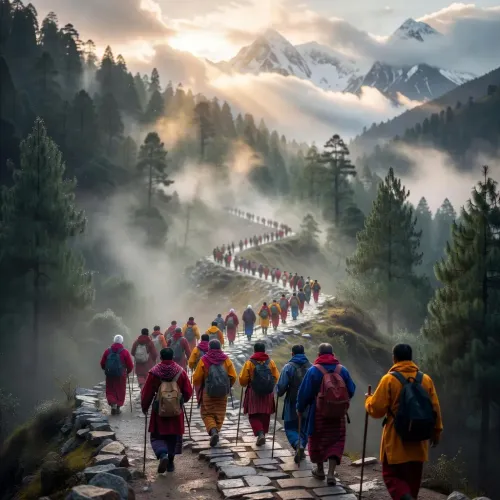
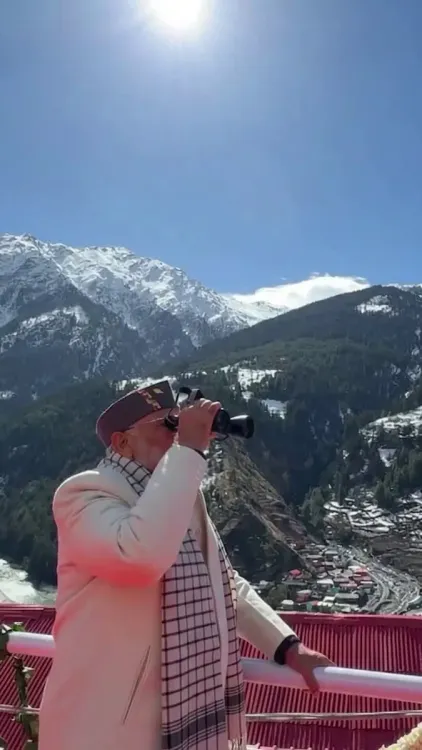
The winter yatra offers a markedly different experience from the crowded summer season — snow-dusted temples, quieter ghats, and the Himalayas stripped back to their most elemental grandeur. For the tourism sector, it represents an opportunity to distribute visitor load across the calendar and sustain livelihoods in mountain communities through the colder months.
Uttarakhand's ability to draw winter pilgrims will depend heavily on the facilities, safety protocols, and connectivity that back up the invitation — the season's success, measured in arrival numbers, will be the real test of the state's year-round tourism ambition.
Point of View
Dhami frames the initiative as part of a Centre-state partnership rather than a purely local event — reinforcing the political narrative of coordinated Hindu heritage development. The pivot to year-round pilgrimage seasons, backed by the Char Dham highway project, represents a maturing of this strategy from symbolic gestures toward infrastructure-linked outcomes. The real metric will be whether winter tourist arrival data reflects sustained momentum or remains a seasonal spike.
NationPress
20 Nov 2026
Frequently Asked Questions
When did Uttarakhand's winter yatra 2026 begin?
Chief Minister Pushkar Singh Dhami announced the commencement of the winter yatra season on November 20, 2026 , marking the formal opening of the pilgrimage season.
Which temples or sites are open during Uttarakhand's winter yatra?
Uttarakhand's winter pilgrimage circuit typically includes shrines in the lower Himalayan belt that remain accessible after the high-altitude Char Dham temples close for the season. Specific site listings for 2026 are subject to official state tourism advisories.
What is Devbhoomi and why is Uttarakhand called that?
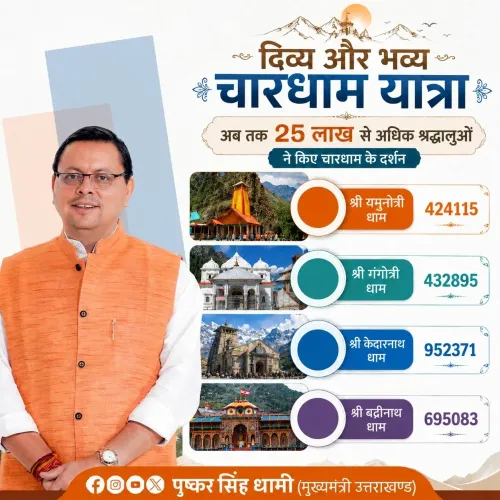
Devbhoomi means 'Land of the Gods' in Sanskrit. Uttarakhand is called Devbhoomi because it is home to some of Hinduism's most sacred pilgrimage sites, including the Char Dham — Badrinath, Kedarnath, Gangotri, and Yamunotri.
What is the Char Dham Highway project and how does it affect winter pilgrimage?
The Char Dham National Highway project , approved in 2016 , aims to provide all-weather four-lane road connectivity to Uttarakhand's major pilgrimage sites, making it feasible to extend the pilgrimage season into months previously inaccessible due to poor roads.
Why is Uttarakhand promoting winter tourism for pilgrims?
The state has been actively extending its pilgrimage season beyond summer to distribute tourist load across the year and sustain economic activity in mountain communities during the off-season, backed by state tourism policy and central government infrastructure investment.