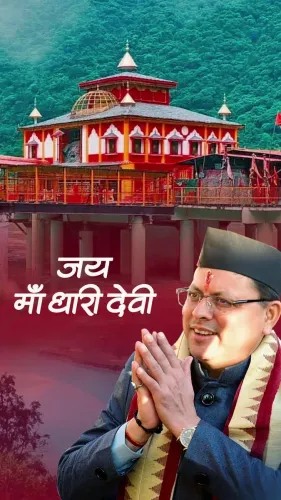
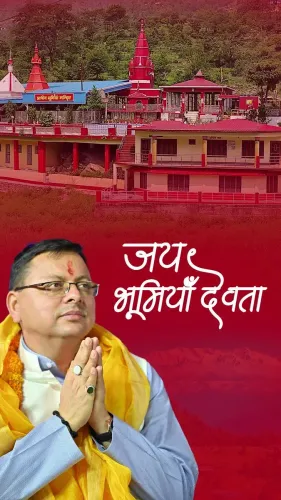
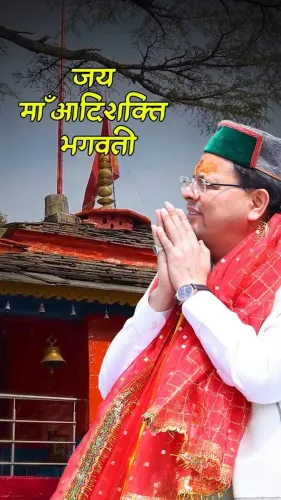
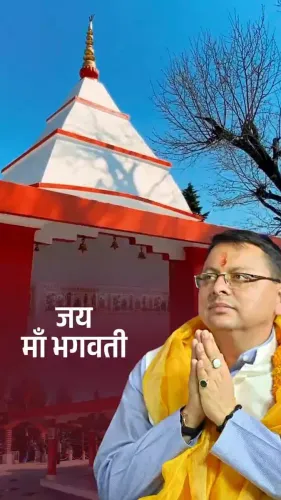
CM Dhami Promotes Maa Naithna Devi Temple in Almora
Synopsis
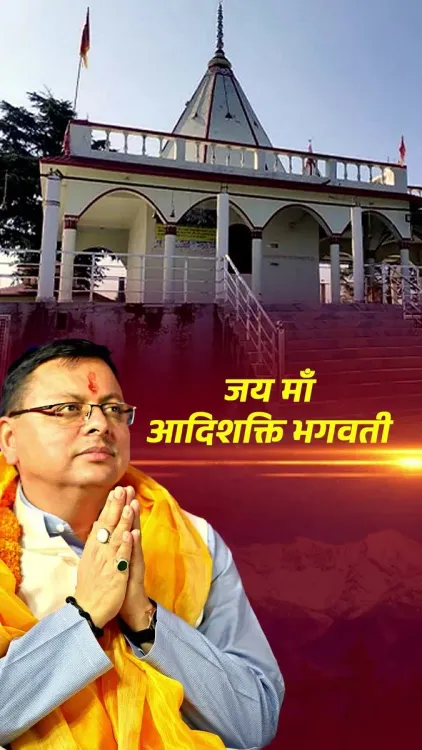
Uttarakhand Chief Minister Pushkar Singh Dhami spotlighted the Maa Naithna Devi Temple in Naubada, Dwarahat, Almora on 3 July 2026, praising its divine significance and natural beauty, and drawing attention to the Ghee Sankranti fair organised by local communities at the site.
Key Takeaways
Chief Minister Pushkar Singh Dhami promoted Maa Naithna Devi Temple in Naubada, Dwarahat, Almora on 3 July 2026 .
The temple is dedicated to Goddess Durga and is described as a centre of devotion, peace, and natural beauty.
A large fair is held at the temple by local communities during Ghee Sankranti , a traditional Uttarakhand seasonal festival.
The promotion is part of a broader state strategy to develop Kumaon 's religious tourism alongside the more prominent Garhwal pilgrimage circuit.
Such outreach supports livelihoods of local traders, priests, and hospitality providers in Almora district .
Uttarakhand Chief Minister Pushkar Singh Dhami on Friday, 3 July 2026, highlighted the Maa Naithna Devi Temple in Naubada, Dwarahat, Almora district, calling it a remarkable centre of unwavering devotion and divine energy, and urged visitors to seek the blessings of the goddess during any trip to Almora.
Context
In his post, Chief Minister Dhami described the temple — dedicated to Goddess Durga — as a site that offers both alaukik shanti (otherworldly peace) and captivating natural beauty. He noted that local communities organise a large fair at the temple on the occasion of Ghee Sankranti, a traditional Uttarakhand festival marking the seasonal transition. Dhami wrote: 'This sacred abode dedicated to Maa Durga provides an experience of divine peace on one hand, while its natural beauty enchants the mind on the other.'
Policy Backdrop
Uttarakhand has actively promoted itself as Devbhoomi — the land of the gods — through religious tourism circuits since the state's formation in 2000. While the Garhwal region's shrines such as the Char Dham have historically drawn the bulk of pilgrims, state governments have increasingly turned attention to lesser-known Kumaon temples to distribute tourism benefits more evenly across hill districts. Almora district, situated in the Kumaon division, is noted for its scenic landscapes, ancient temples, and rich cultural heritage.
Dwarahat, the block where the temple is located, is itself known for a cluster of ancient temples and has long held significance for devotees across the region. Pilgrimage and seasonal fairs at such sites contribute meaningfully to local livelihoods, making their promotion a matter of both cultural and economic interest for the state administration.
Stakeholders and Impact
Local devotees and the broader tourism industry in Almora stand to benefit from the visibility that the Chief Minister's social media outreach provides. Seasonal fairs like the one held at Maa Naithna Devi Temple during Ghee Sankranti generate income for traders, priests, and hospitality providers in the surrounding area. The post also aligns with a wider post-pandemic pattern of domestic travellers seeking short spiritual getaways to hill destinations.
State leaders in Uttarakhand have consistently used social media to spotlight heritage and religious sites in Kumaon, positioning the region as a year-round cultural destination rather than one limited to the summer pilgrimage season. Such messaging helps counterbalance the seasonal concentration of tourist footfall in Garhwal.
What's Next
Observers will watch whether the state's tourism department follows up with infrastructure announcements or dedicated circuits for the Dwarahat temple cluster, particularly ahead of the Ghee Sankranti festival period. Sustained promotion of Kumaon's religious sites could support the government's broader goal of economic diversification in hill districts and extend the tourism season beyond traditional peak months.
Point of View
The Chief Minister signals that cultural promotion in hill districts is a governance priority, not merely a ceremonial gesture. This approach carries economic logic: distributing pilgrim footfall to smaller sites reduces pressure on over-visited Garhwal shrines while generating livelihoods in districts that have fewer alternative revenue streams. The consistency of such messaging across BJP-governed hill states reflects a broader alignment between cultural identity politics and domestic tourism policy.
NationPress
3 Jul 2026
Frequently Asked Questions
Where is Maa Naithna Devi Temple located?
Maa Naithna Devi Temple is located in Naubada in the Dwarahat block of Almora district, in the Kumaon region of Uttarakhand.
Which goddess is worshipped at Maa Naithna Devi Temple?
The temple is dedicated to Goddess Durga, revered locally as Maa Naithna Devi.
What is Ghee Sankranti and how is it celebrated at this temple?
Ghee Sankranti is a traditional Uttarakhand festival marking a seasonal transition. At Maa Naithna Devi Temple, local communities organise a large fair on this occasion.
Why did CM Pushkar Singh Dhami post about Maa Naithna Devi Temple?
Chief Minister Dhami shared the post to promote the temple as a spiritual and tourism destination, encouraging visitors to seek the goddess's blessings during trips to Almora.
How is Dwarahat significant in Uttarakhand's religious tourism?
Dwarahat in Almora district is known for a cluster of ancient temples and natural surroundings, making it an important but lesser-publicised heritage destination in the Kumaon division.