CM Dhami Pushes GI Tags to Elevate Uttarakhand Crafts
Synopsis
Uttarakhand CM Pushkar Singh Dhami on August 7, 2026 highlighted his government's sustained effort to secure GI tags for traditional handicrafts and empower weavers through schemes, fairs, and dedicated marketing platforms under the Atmanirbhar Bharat framework.
Key Takeaways
CM Pushkar Singh Dhami reaffirmed on August 7, 2026 that the Uttarakhand government is actively working to secure national recognition for the state's traditional handicrafts.
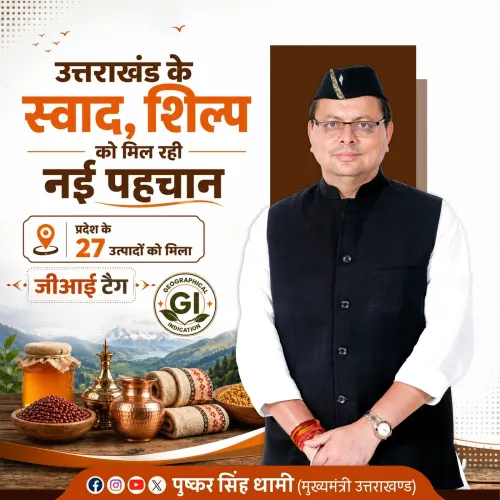
Several Uttarakhand handicrafts and local products have already received GI (Geographical Indication) tags under the current government's efforts.
The state is using a combination of government schemes, trade fairs, exhibitions, and marketing platforms to support weavers and artisans.
The policy goal is to make the handicraft sector 'self-reliant and empowered' , aligning with the national Atmanirbhar Bharat campaign.
GI tags are protected under the Geographical Indications of Goods (Registration and Protection) Act, 1999 , giving regional products legal identity and market premium.
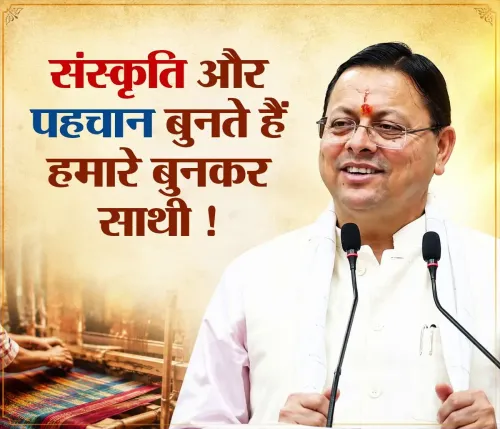
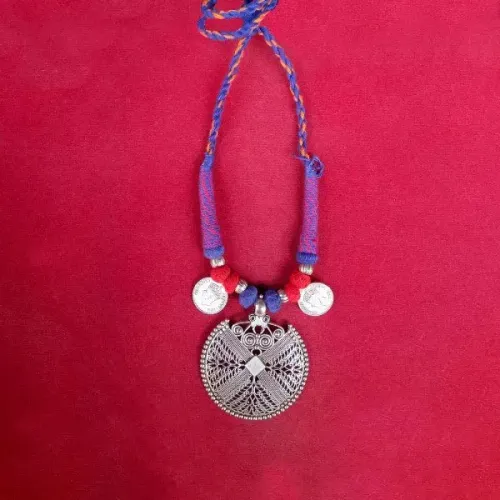
Uttarakhand's weavers and woodcarvers have a champion in Chief Minister Pushkar Singh Dhami, who on Friday, August 7, 2026, reaffirmed his government's commitment to winning national recognition for the state's centuries-old handicraft traditions — and pointed to Geographical Indication tags as the sharpest tool in that effort.
In his post, CM Dhami wrote: 'उत्तराखंड की समृद्ध हस्तशिल्प परंपरा को राष्ट्रीय पहचान दिलाने के लिए हमारी सरकार निरंतर कार्य कर रही है' — 'Our government is continuously working to give national recognition to Uttarakhand's rich handicraft tradition.' He credited GI tags secured for several traditional handicrafts and local products, and outlined a multi-pronged push: government schemes, trade fairs, exhibitions, and dedicated marketing platforms, all aimed at making the sector 'self-reliant and empowered.'
What a GI Tag Actually Does for an Artisan
A Geographical Indication (GI) tag is a legally protected intellectual property right under the Geographical Indications of Goods (Registration and Protection) Act, 1999. It certifies that a product originates from a specific region and carries qualities or a reputation tied to that origin — think Darjeeling tea or Kanjeevaram silk. For a Himalayan weaver, it means the product cannot be legally replicated and sold under the same name from outside the region, giving it a market identity that commands premium pricing.
Uttarakhand — a northern Himalayan state with a heritage of woolen textiles, intricate woodwork, and distinctive agricultural products — has seen growing interest in GI registration as a way to protect and monetise that heritage. Indian states have increasingly pursued this route since the early 2000s, recognising that cultural preservation and rural economic uplift can be pursued through the same instrument.
Fitting Into the Atmanirbhar Framework
Dhami's push aligns squarely with the national Atmanirbhar Bharat campaign launched in 2020, which placed artisans, weavers, and local producers at the centre of India's self-reliance narrative. Fairs and exhibitions are not merely ceremonial — they are the primary channel through which rural craftspeople access buyers, build brand visibility, and escape dependence on middlemen.
The state government's stated approach — combining GI protection with active marketing infrastructure — reflects a maturing model: legal protection alone does not move product off the loom. Market access does. The combination of the two is what converts a heritage craft into a sustainable livelihood.
What Artisans and Observers Will Watch For
The announcement raises a practical question the government will eventually have to answer with numbers: how many GI tags, how many artisans enrolled in schemes, and what measurable income change? Additional GI applications from Uttarakhand products and verifiable participation data from national exhibitions will be the real scorecard for a policy that is, for now, directional rather than quantified.
For the state's weavers and craftspeople, the signal from Dehradun is clear — the government intends to keep pushing. Whether the infrastructure of fairs, schemes, and marketing platforms translates into durable income gains is the story that will unfold in the seasons ahead.
Point of View
The state government aligns local governance with the Centre's flagship narrative, reinforcing BJP's dual pitch of cultural pride and economic self-sufficiency. The real test, however, is whether marketing infrastructure and GI protections translate into measurable income gains for artisans — or remain aspirational signalling ahead of electoral cycles. Observers will watch for concrete output data: tags awarded, artisan enrollments, and export figures.
NationPress
7 Aug 2026
Frequently Asked Questions
What is a GI tag and why does it matter for Uttarakhand artisans?
A GI (Geographical Indication) tag is a legal certification under the Geographical Indications of Goods Act, 1999, that links a product to its region of origin. For Uttarakhand artisans, it prevents imitation products from being sold under the same name and helps command premium market prices for authentic crafts.
Which Uttarakhand products have received GI tags?
CM Dhami's post states that several traditional handicrafts and local products from Uttarakhand have received GI tags under the current government's efforts, though specific product names and exact numbers were not listed in the announcement.
What is the Atmanirbhar Bharat connection to Uttarakhand handicrafts?
Atmanirbhar Bharat, launched nationally in 2020, emphasises self-reliance through local production and support for artisans. Uttarakhand's GI tag drive and artisan marketing schemes align with this national framework, positioning the state's crafts sector as part of India's broader self-reliance push.
How is the Uttarakhand government supporting weavers and craftspeople?
According to CM Dhami's post, the government is providing support through dedicated schemes, trade fairs, exhibitions, and marketing platforms designed to give weavers and handicraft artisans better market access and commercial opportunities.
What is Pushkar Singh Dhami's role in Uttarakhand?
Pushkar Singh Dhami is the Chief Minister of Uttarakhand and a BJP leader. He has held the position since 2021 and has focused on state development, cultural promotion, and economic initiatives including support for traditional artisan communities.