CM Dhami Pushes Plastic-Free Char Dham Routes, Recycling Drive

Synopsis
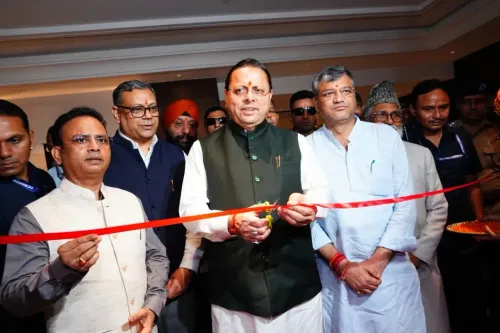
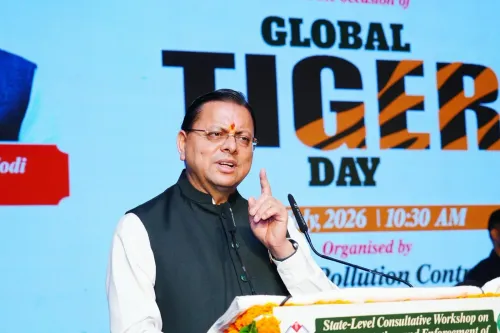
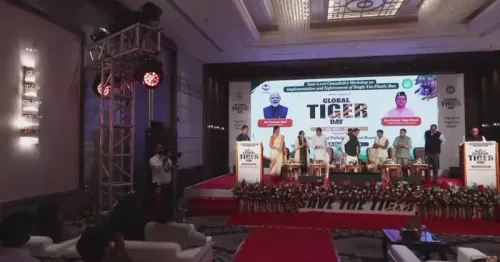
Uttarakhand CM Pushkar Singh Dhami on 29 July 2026 announced a sustained drive for plastic-free Char Dham pilgrimage routes, effective single-use plastic ban enforcement, public awareness campaigns, and scientific recycling — with Dehradun Mayor Saurabh Thapliyal present at the event.
Key Takeaways
CM Pushkar Singh Dhami on 29 July 2026 outlined Uttarakhand's sustained push for effective single-use plastic ban enforcement and scientific recycling.
The government is specifically targeting Char Dham Yatra routes — covering Yamunotri, Gangotri, Kedarnath and Badrinath — for plastic-free status.
Dehradun Mayor Saurabh Thapliyal was present at the event, signalling municipal-level ownership of implementation.
India's single-use plastic ban has been in force since July 2022 under the Plastic Waste Management Amendment Rules 2021; Uttarakhand's campaigns at pilgrimage sites date back to at least 2018 .
The state's approach combines public awareness, enforcement, and scientific waste processing — not just a consumption-side ban.
Uttarakhand's most sacred pilgrimage corridors are getting a green overhaul. Chief Minister Pushkar Singh Dhami on Wednesday, 29 July 2026 outlined his government's multi-pronged push to rid the state of single-use plastic — from enforcing the national ban to building plastic-free zones along the Char Dham Yatra routes and tourist destinations, and scaling up scientific waste management and recycling.
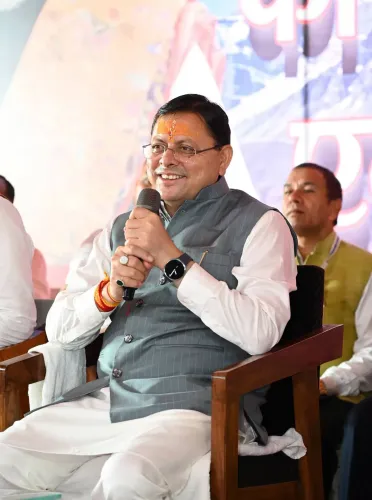
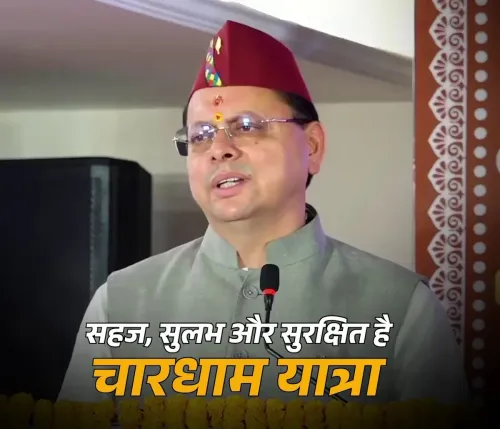
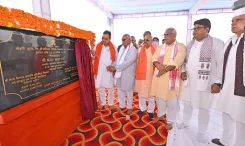
Posting on X, CM Dhami stated that the state government is giving 'highest priority to environmental protection' — driving effective implementation of the single-use plastic ban, running public awareness campaigns, creating plastic-free pilgrimage and tourism corridors, and continuously promoting scientific plastic waste management and recycling. Dehradun Municipal Corporation Mayor Saurabh Thapliyal was among the dignitaries present at the occasion.Char Dham Routes at the Centre of the Green Push
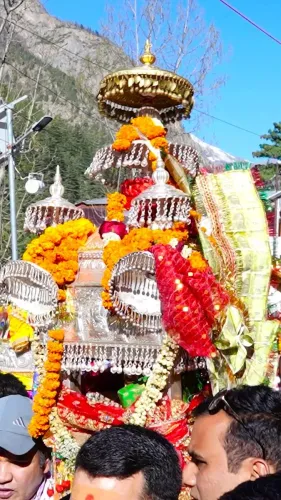
The stakes here are not small. The Char Dham Yatra — the annual Hindu pilgrimage to Yamunotri, Gangotri, Kedarnath and Badrinath — draws millions of visitors into some of the most ecologically fragile terrain in the Himalayas. Plastic litter left behind by pilgrims and tourists has long been a pressure point for the region's rivers, forests, and high-altitude ecosystems. Making these corridors plastic-free is not just an environmental gesture; it is a logistical and governance challenge at scale.
Uttarakhand has run plastic-free campaigns at pilgrimage sites since at least 2018, aligned with the Swachh Bharat Mission. The current push builds on India's Plastic Waste Management Amendment Rules 2021, which brought a nationwide ban on identified single-use plastic items into force from July 2022. What the Dhami government is signalling now is sustained, structured enforcement — not a one-off drive.
Dehradun Nagar Nigam's Role in Scientific Waste Handling
The presence of Mayor Saurabh Thapliyal of the Dehradun Nagar Nigam at the event underlines that the state is anchoring implementation at the municipal level. The corporation is the front-line body responsible for solid waste collection, segregation, and processing in the capital — and its active participation signals an attempt to close the gap between policy declaration and ground-level execution.
Scientific management and recycling of plastic waste — specifically called out by the Chief Minister — points toward a processing-end solution, not just a ban on consumption. That distinction matters: bans reduce inflow, but existing plastic stock still needs infrastructure to handle it responsibly.
Whether compliance data from the next Char Dham season and new recycling facility announcements follow will be the real measure of this commitment. For now, the Himalayan state has put environmental governance squarely on the agenda — and the pilgrimage routes are the proving ground.
Point of View
The state is attempting to translate a national mandate into local accountability. The emphasis on scientific recycling signals a shift from symbolic bans toward processing-end solutions, which will be the harder — and more consequential — test of this policy's durability.
NationPress
29 Jul 2026
Frequently Asked Questions
What is Uttarakhand's plan for plastic-free Char Dham Yatra routes?
The Uttarakhand government is working to make Char Dham pilgrimage corridors and tourist destinations plastic-free through enforcement of the single-use plastic ban, public awareness drives, and scientific waste management and recycling initiatives, as announced by CM Pushkar Singh Dhami on 29 July 2026.
When did India's single-use plastic ban come into effect?
India's nationwide ban on identified single-use plastic items came into effect from July 2022 under the Plastic Waste Management Amendment Rules 2021.
What is the Char Dham Yatra and why does plastic pollution matter there?
The Char Dham Yatra is an annual Hindu pilgrimage to Yamunotri, Gangotri, Kedarnath, and Badrinath shrines in Uttarakhand, attracting millions of visitors into ecologically fragile Himalayan terrain where plastic litter poses a serious environmental threat.
What role does Dehradun Municipal Corporation play in plastic waste management?
The Dehradun Nagar Nigam is the front-line body responsible for solid waste collection, segregation, and processing in Uttarakhand's capital. Mayor Saurabh Thapliyal was present at CM Dhami's 29 July 2026 event, underlining municipal-level implementation of the state's plastic-free drive.
Has Uttarakhand run plastic-free campaigns before 2026?
Yes. Uttarakhand has conducted periodic plastic-free campaigns at pilgrimage sites and tourist spots since at least 2018, aligned with the Swachh Bharat Mission, with the current initiative representing a continuation and scaling of those efforts.