CM Dhami Reviews NDRF Monsoon Readiness at Gadarpur
Synopsis
Uttarakhand Chief Minister Pushkar Singh Dhami visited NDRF personnel at Gadarpur on 31 July 2026, reviewing their readiness to handle monsoon emergencies in the flood-prone Himalayan state. The visit follows a post-2013 tradition of pre-monsoon coordination with central disaster response forces.
Key Takeaways
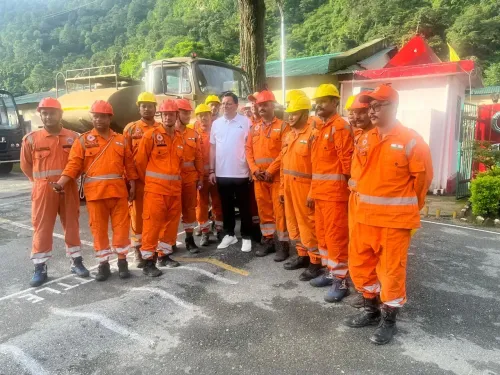
CM Pushkar Singh Dhami met NDRF personnel at Gadarpur, Udham Singh Nagar on 31 July 2026 to assess monsoon emergency preparedness.
Gadarpur is a strategic Terai location enabling rapid NDRF response to both plains flooding and Himalayan cloudbursts.
Pre-monsoon NDRF reviews have been institutionalised in Uttarakhand following the devastating 2013 Kedarnath floods .
The National Disaster Response Force operates under the Disaster Management Act, 2005 with permanent battalions in vulnerable states including Uttarakhand.
The state's formal monsoon action plan and any new NDRF deployment orders are the next milestones to watch.
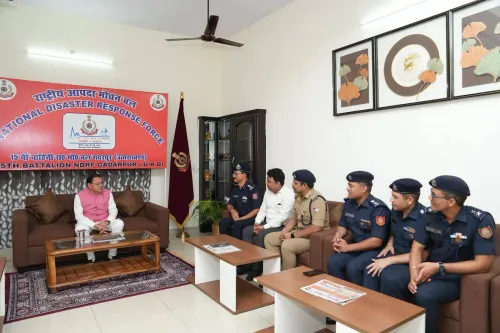
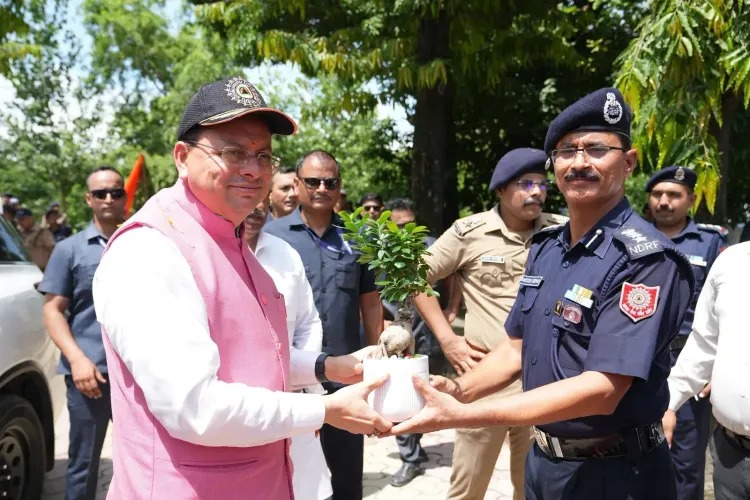
Monsoon clouds are already building over the Himalayas — and Uttarakhand Chief Minister Pushkar Singh Dhami is making sure the state's emergency machinery is ready before the next disaster strikes. On Friday, 31 July 2026, Dhami visited National Disaster Response Force (NDRF) personnel stationed at Gadarpur in Udham Singh Nagar district, meeting troops on the ground and taking stock of their preparedness to handle any emergency the monsoon season may bring.
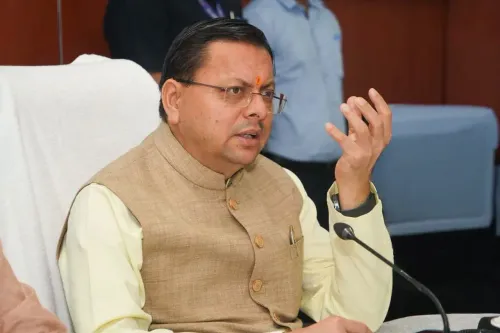
Speaking after the visit, Dhami stated — 'Gadarpur mein NDRF ke jawaanon se bhet kar mausam ke drishtigat kisi bhi aapatkaaleen sthiti se nipatne ke liye unki taiyariyon ki jaankari li' — that he met NDRF personnel at Gadarpur and reviewed their readiness to deal with any emergency situation in view of the monsoon.
Why Gadarpur, and Why Now
Gadarpur, a town in the Terai belt at the foothills of the Himalayas, sits at a critical geographic junction. NDRF units positioned here can respond rapidly both to the low-lying flood-prone plains of Udham Singh Nagar and to the higher mountain districts where cloudbursts and landslides tend to strike with little warning. The June-to-September monsoon window is when Uttarakhand is most vulnerable — a pattern burned into the state's memory since the catastrophic 2013 Kedarnath floods, which reshaped how every subsequent government approaches disaster preparedness.NDRF's Role in Uttarakhand's Annual Monsoon Cycle
The National Disaster Response Force, constituted under the Disaster Management Act, 2005, is India's dedicated multi-hazard response agency with permanent battalions embedded across states. In Uttarakhand, pre-monsoon coordination with NDRF and State Disaster Response Force (SDRF) units has become an institutionalised annual ritual — a direct legacy of the 2013 disaster. Chief ministers reviewing troop readiness, checking equipment, and assessing deployment plans ahead of the season is now standard protocol under the national disaster management framework. Dhami's Gadarpur visit fits squarely within that cycle.What the State Is Watching
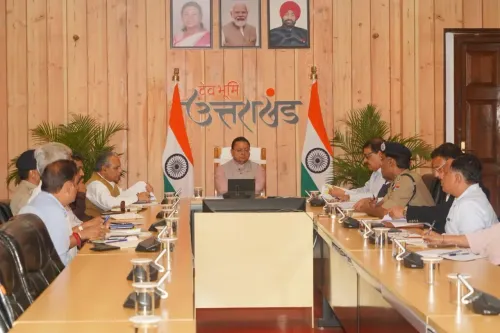
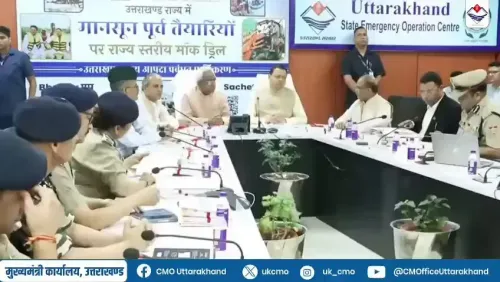
With the monsoon already active, attention now turns to whether the state government will release its formal annual monsoon action plan and whether any additional NDRF battalion movements or joint exercises will be announced for vulnerable districts. Uttarakhand's Himalayan terrain — steep valleys, fragile slopes, and fast-rising rivers — means that a single cloudburst can turn a routine monsoon night into a mass-casualty event. Preparedness visits like this one signal intent; the real test, as always, comes when the rain does. For the communities living in Uttarakhand's flood corridors, the Chief Minister's boots on the ground at an NDRF base is more than a photo opportunity — it is the first line of institutional accountability before the clouds break.Point of View
Accountable executive function rather than a bureaucratic checkbox. For a BJP chief minister in a state where disaster response is a perennial electoral and administrative test, such visits also carry a political signal: that the state machinery is alert and in command before the crisis, not scrambling after it. The broader pattern across Himalayan states reflects how climate-linked disaster risk is steadily reshaping the annual governance calendar. Whether the visit translates into measurable deployment upgrades or remains symbolic depends on the action plan that follows.
NationPress
31 Jul 2026
Frequently Asked Questions
Why did CM Dhami visit NDRF personnel at Gadarpur?
Chief Minister Pushkar Singh Dhami visited NDRF troops at Gadarpur on 31 July 2026 to review their preparedness for handling any emergency situation during the monsoon season, which poses serious flood and landslide risks across Uttarakhand.
What is NDRF and what does it do in Uttarakhand?
The National Disaster Response Force (NDRF) is India's dedicated multi-hazard disaster response agency set up under the Disaster Management Act, 2005. In Uttarakhand, NDRF battalions are pre-positioned ahead of the monsoon to respond quickly to floods, landslides, and cloudbursts in the Himalayan terrain.
Why is monsoon preparedness especially important for Uttarakhand?
Uttarakhand's Himalayan geography makes it highly vulnerable to monsoon-triggered floods, cloudbursts, and landslides. The 2013 Kedarnath floods were a watershed moment that led successive state governments to institutionalise annual pre-monsoon reviews with NDRF and SDRF units.
Where is Gadarpur and why is it significant for disaster response?
Gadarpur is a town in Udham Singh Nagar district in Uttarakhand's Terai region. Its location at the Himalayan foothills allows NDRF units stationed there to respond rapidly to emergencies in both the plains and the higher mountain districts.
What should we expect next from the Uttarakhand government on monsoon preparedness?
The key developments to watch are the state government's release of its formal annual monsoon action plan and any announcements regarding additional NDRF battalion deployments or joint disaster-response exercises across vulnerable Uttarakhand districts.