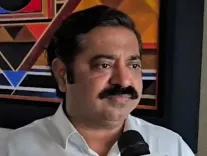
CM Dhami: Roads Are for Traffic, Not Namaz
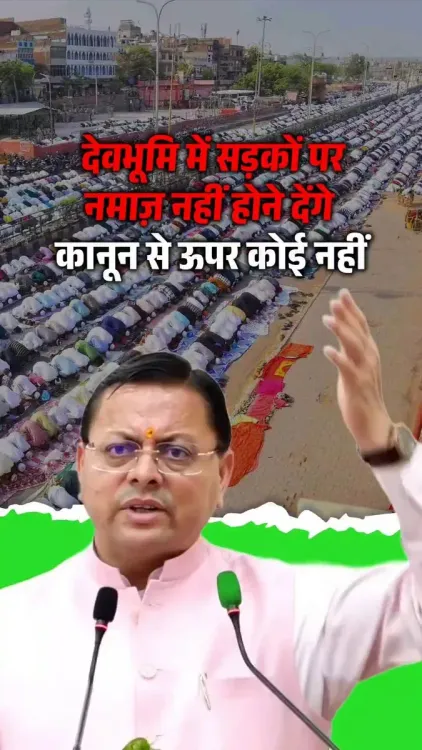
Synopsis
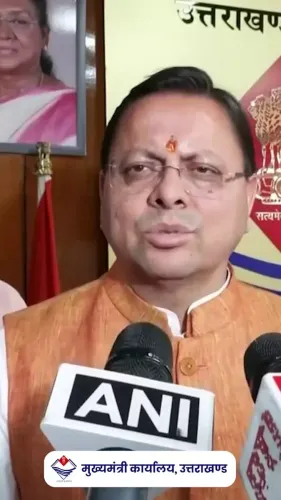
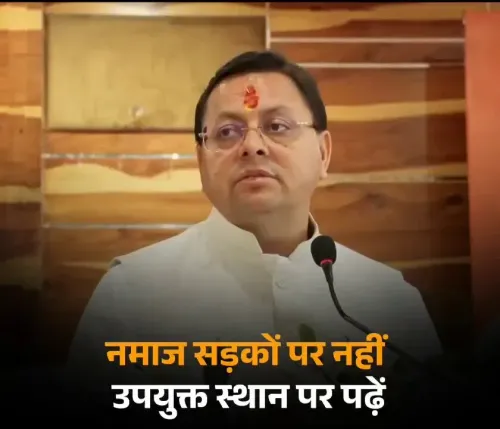
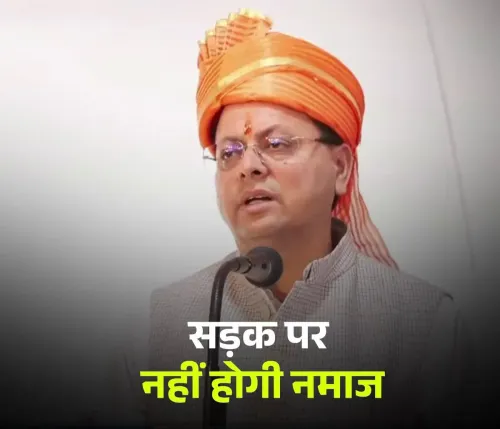
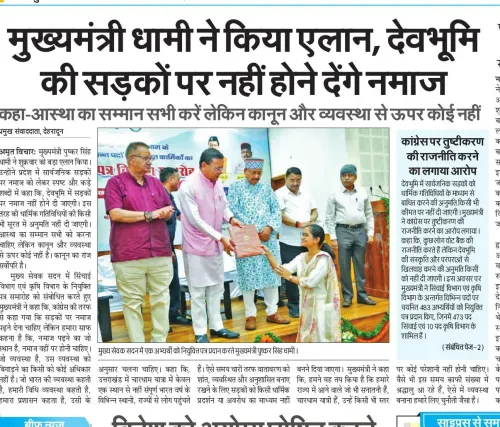
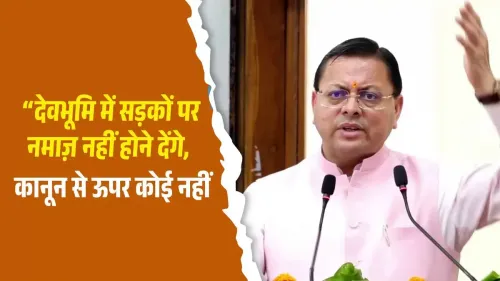
Uttarakhand Chief Minister Pushkar Singh Dhami on 22 May 2026 posted that public roads exist for traffic movement and not for offering namaz, renewing debate over the use of civic infrastructure for religious congregations in BJP-governed states.
Key Takeaways
Pushkar Singh Dhami , Chief Minister of Uttarakhand , stated on 22 May 2026 that roads are for public movement and traffic, not for namaz.
The post was in Hindi and made no reference to a specific triggering incident.
The statement aligns with a broader pattern of BJP -led state governments asserting that public roads must remain free for civilian use.
Uttarakhand towns including Dehradun , Haridwar , and Haldwani have previously seen disputes over religious use of public spaces.
No formal government order or police directive has been confirmed in connection with this post as of publication.
Observers will watch for follow-up administrative action such as municipal guidelines or police advisories.
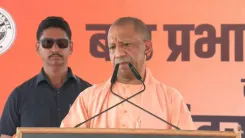
Uttarakhand Chief Minister Pushkar Singh Dhami on Friday, 22 May 2026, declared that public roads exist for the free movement of people and traffic management — not for offering namaz. The statement, posted on X, drew immediate attention for its direct framing of a long-contested civic issue.
In his post, Dhami wrote in Hindi: 'Sadkein namaz padhne ke liye nahin balki janta ki sugam aavajahi aur yatayat vyavastha ke liye hain' ['Roads are not for offering namaz but for the smooth movement of the public and traffic management']. The statement makes no reference to a specific incident but is categorical in its assertion about the civic purpose of public roads.
Context
The practice of offering Friday prayers on public roads and streets has been a periodic source of administrative and communal tension in several Indian states. Municipal authorities and police in cities across northern India have, at various points, issued advisories asking religious congregations to limit their footprint on public thoroughfares. Uttarakhand, a state with significant pilgrimage and tourist traffic, has a particular administrative sensitivity around road access and crowd management.
Dhami, who has served as Uttarakhand's Chief Minister since 2021, has consistently positioned his administration as one that enforces rule of law uniformly. His statement fits a pattern of BJP-led state governments publicly articulating that civic infrastructure must remain neutral and functional.
Policy Backdrop
Indian state governments have periodically issued enforcement drives to keep public roads clear for traffic, framing such measures as necessary for urban mobility and public order rather than as religiously motivated actions. BJP-administered states including Uttar Pradesh and Madhya Pradesh have issued similar directives in past years, citing road safety and the right of commuters to unobstructed passage. The legal basis typically rests on provisions under the Indian Penal Code and state police acts that prohibit unlawful assembly or obstruction of public ways.
No specific government order or municipal guideline from Uttarakhand has been publicly linked to this post as of the time of writing. The statement may precede or accompany administrative action, though no such order has been confirmed.
Stakeholders and Impact
The primary stakeholders in this debate are commuters and local residents who use arterial roads on a daily basis, and Muslim communities whose Friday congregational prayers sometimes spill onto streets when mosques reach capacity. Urban planners and municipal bodies are secondary stakeholders, as any enforcement directive would require coordination between police and local government. Civil liberties groups have in the past argued that enforcement must be even-handed and not targeted at a single community.
In Uttarakhand, towns such as Dehradun, Haridwar, and Haldwani have seen periodic disputes over the use of public spaces for religious activities. Any follow-up action by the state government would likely be implemented through district magistrates and the state police.
What's Next
Political observers will watch whether Dhami's statement is followed by formal administrative orders, police advisories, or municipal guidelines in Uttarakhand's major towns. The post, arriving without an attached incident citation, could also be read as a political signal ahead of civic or electoral cycles in the state. How opposition parties and civil society organisations respond will shape whether this remains a governance statement or escalates into a broader public debate.
Point of View
Giving it broad applicability. For the BJP, the framing of road-use as a civic rather than communal question allows the party to appeal to commuters and rule-of-law voters while keeping the religious subtext visible to its base. The statement fits a well-established playbook across BJP-governed states where public-order language is used to address issues that carry communal undertones. Whether it translates into enforceable policy or remains rhetorical will be the real test of its administrative intent.
NationPress
5 Oct 2026
Frequently Asked Questions
What did Uttarakhand CM Dhami say about namaz on roads?
On 22 May 2026, CM Pushkar Singh Dhami posted on X that public roads are meant for the smooth movement of people and traffic management, not for offering namaz.
Is offering namaz on public roads legal in India?
Indian law prohibits obstruction of public thoroughfares under the Indian Penal Code and state police acts; religious congregations that block roads can be asked to disperse, though enforcement has varied across states.
Has Uttarakhand issued any order banning namaz on roads?
As of the date of Dhami's post on 22 May 2026, no formal government order or police directive from Uttarakhand has been publicly confirmed in connection with his statement.
Which other BJP states have taken action on namaz on roads?
States including Uttar Pradesh and Madhya Pradesh have previously issued advisories or taken enforcement action to keep public roads clear of religious gatherings, framing the measures as traffic and public-order management.
What is Pushkar Singh Dhami's political position?
Pushkar Singh Dhami is the Chief Minister of Uttarakhand and a senior leader of the Bharatiya Janata Party; he has held the chief ministerial post since 2021.