Giriraj Singh backs Dhami's ban on road namaz, cites law and order
Synopsis
Union Minister Giriraj Singh publicly backed Uttarakhand CM Dhami's order banning road namaz, framing it as a law-and-order imperative — not a religious one. With Bakrid approaching and similar restrictions surfacing in UP and other BJP-governed states, the directives are heading for their first real test of enforcement.
Key Takeaways
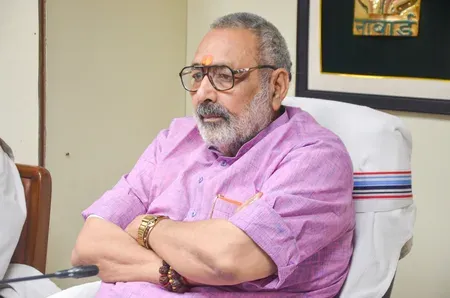
Union Minister Giriraj Singh on 23 May backed Uttarakhand CM Pushkar Singh Dhami 's order prohibiting namaz on public roads.
Dhami declared in Dehradun that 'no one is above the law' and cited the ongoing Char Dham Yatra season as context for the directive.
Singh thanked all Chief Ministers who issued similar law-and-order instructions, singling out Dhami for special mention.
Singh also commented on public cow slaughter and animal sacrifice practices ahead of Bakrid , calling them provocative.
Similar restrictions on public religious gatherings have been reported in Uttar Pradesh and other states.
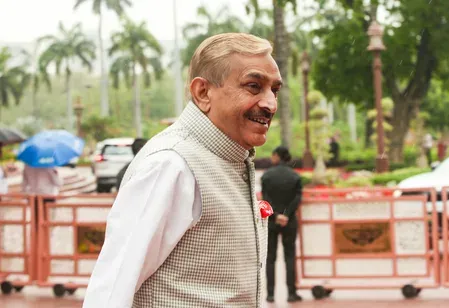
Union Minister Giriraj Singh on Saturday, 23 May expressed strong support for Uttarakhand Chief Minister Pushkar Singh Dhami's directive prohibiting namaz on public roads, stating that law and order must remain the foremost priority during religious occasions. Singh's remarks came amid wider policy discussions across several states on regulating public religious gatherings, particularly in the context of Eid-related observances.
What Giriraj Singh Said
Addressing the issue from New Delhi, Singh said, 'This system is being criticised, and some in India have tried to spoil the atmosphere. I thank all those Chief Ministers who have made such arrangements from the perspective of law and order and issued such instructions. I especially thank CM Pushkar Singh Dhami for ensuring that no namaz is offered in public places…'
Singh's comments reflect a broader political stance within the Bharatiya Janata Party (BJP) that frames restrictions on public religious activity as a governance and public-order measure rather than a religious one.
Dhami's Directive in Uttarakhand
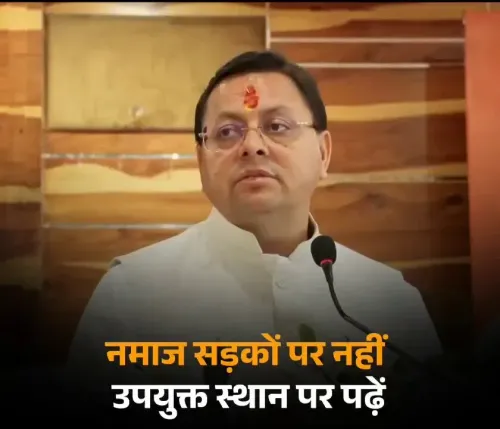
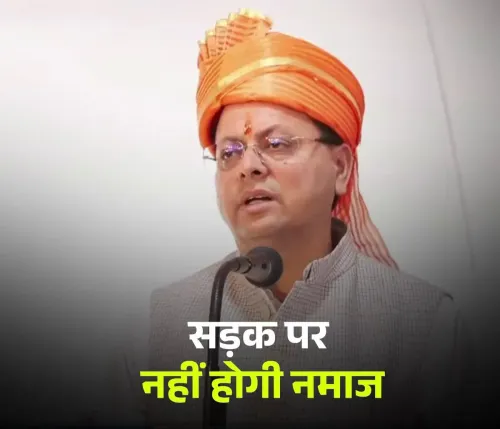
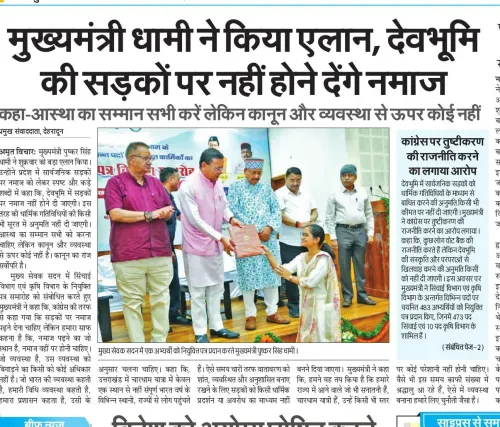
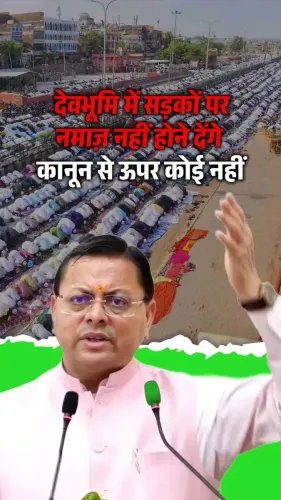
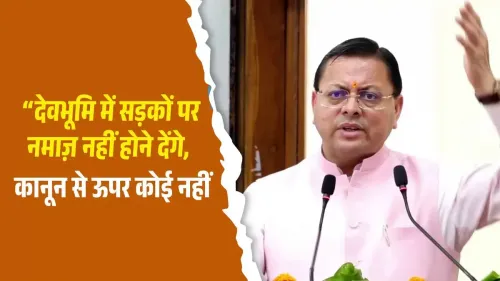
Chief Minister Pushkar Singh Dhami had recently declared that offering namaz on roads would not be permitted anywhere in Uttarakhand. Speaking in Dehradun on Friday while addressing newly-inducted personnel from the Irrigation and Agriculture departments, Dhami asserted that 'no one is above the law' and stressed that ensuring smooth traffic movement and maintaining public order were among the state government's highest priorities.
Dhami specifically cited the ongoing Char Dham Yatra season as a key context for the directive, underlining the need for unobstructed movement and maintained public order during the pilgrimage period. He drew a clear distinction between personal religious observance and activities that cause public inconvenience or disrupt law and order arrangements.
The Wider Policy Context
Uttarakhand's stance is not isolated. Similar measures and policy discussions have emerged in neighbouring Uttar Pradesh and other states regarding religious gatherings in public spaces. Critics argue that such directives disproportionately target Muslim worshippers, while proponents maintain the restrictions are applied on a law-and-order basis applicable to all communities.
This comes amid a pattern of state-level interventions across BJP-governed states ahead of major Islamic observances, a trend that has drawn both support from ruling-party leaders and sharp criticism from opposition groups and civil society organisations.
Singh's Remarks on Bakrid Practices
Extending his comments to Bakrid-related guidelines, Singh also addressed the practice of public animal sacrifice and cow slaughter. He said, 'Is cow slaughter done anywhere in the world, like in Iran or Arab countries? And even then, is it done on the streets? This was started in India to provoke Hindus. Even in places like Pakistan, we Hindus have always worshipped cows. So, to provoke and hurt sentiments, this practice of sacrifice was started. It is not written anywhere…'
Singh's remarks on cow slaughter are likely to intensify the political debate around religious practices in public spaces ahead of Bakrid. Opposition parties and Muslim community leaders have yet to formally respond to his latest statements.
What Comes Next
With Bakrid approaching, the directives issued by Uttarakhand and other states will face their first real test of implementation. Whether these orders hold uniformly across districts — and how local administrations enforce them — will determine their practical impact and political fallout in the weeks ahead.
Point of View
Consistently ahead of major Islamic observances, invites scrutiny that the government has not addressed. Dhami's invocation of the Char Dham Yatra as justification is notable: it positions Hindu pilgrimage season and Muslim worship as competing claims on public space, a framing that opposition parties will contest. Singh's additional comments on cow slaughter go further than the namaz issue and are more likely to generate communal heat than legal clarity. The real accountability question is whether these restrictions are enforced with equal rigour against all communities — something that rarely gets measured or reported.
NationPress
6 Oct 2026
Frequently Asked Questions
What is Uttarakhand CM Dhami's order on road namaz?
Uttarakhand Chief Minister Pushkar Singh Dhami declared that offering namaz on public roads will not be permitted in the state, citing law and order and the need for smooth traffic movement, particularly during the ongoing Char Dham Yatra season.
Why did Giriraj Singh back the road namaz ban?
Union Minister Giriraj Singh stated that maintaining law and order must be the top priority during religious occasions, and thanked Chief Ministers — especially Dhami — who issued such directives. He framed the restrictions as governance measures rather than targeting any specific community.
Are other states also restricting road namaz?
Yes, similar measures and policy discussions have been reported in Uttar Pradesh and other BJP-governed states regarding the regulation of public religious gatherings, particularly ahead of Eid and Bakrid.
What did Giriraj Singh say about Bakrid and cow slaughter?
Singh commented that public cow slaughter and animal sacrifice on streets were practices started, in his view, to provoke Hindus, and questioned whether such practices occur openly in countries like Iran or Arab nations. His remarks are likely to intensify political debate ahead of Bakrid.
What happens next with these directives?
With Bakrid approaching, the orders issued by Uttarakhand and other states will face their first test of enforcement. How district-level administrations implement the restrictions will determine their practical impact and political consequences.