CM Dhami: Namaz Only at Designated Sites in Uttarakhand
Synopsis
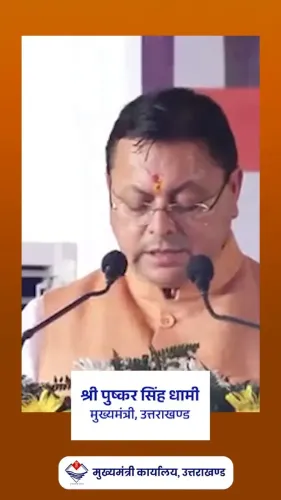
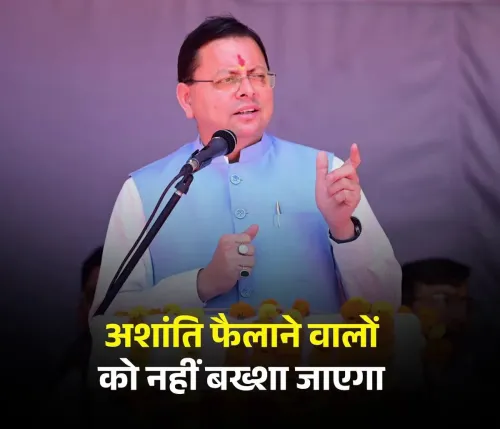
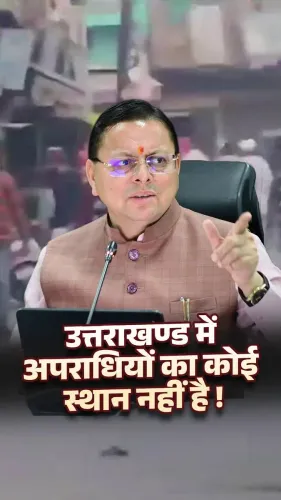
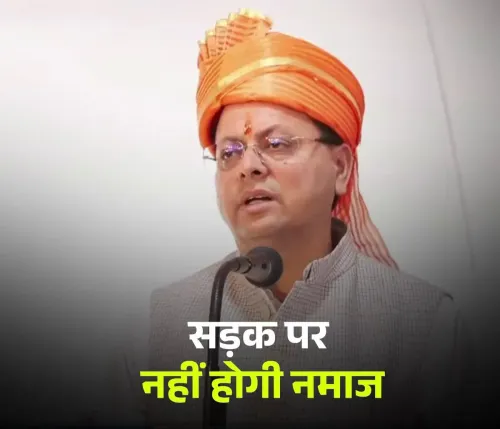
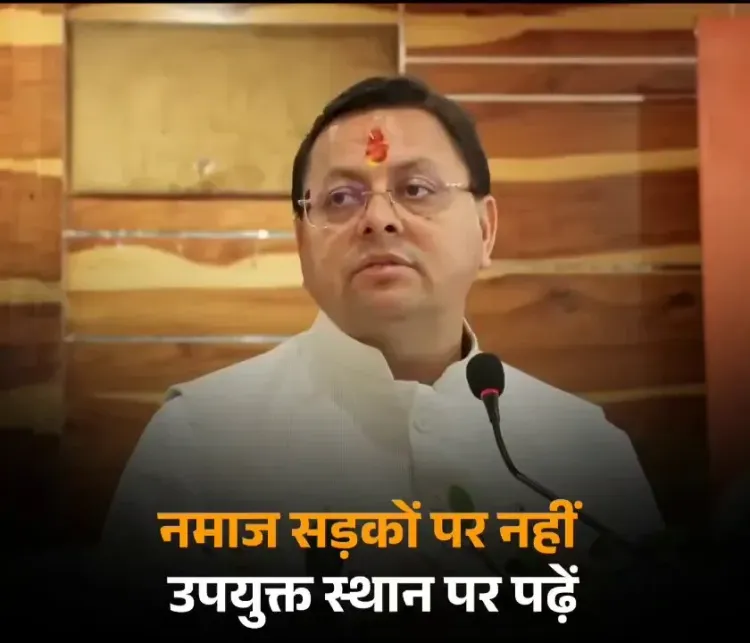
Uttarakhand Chief Minister Pushkar Singh Dhami declared on 25 May 2026 that namaz will be allowed only at designated locations in the state, asserting that no one will be permitted to take the law into their own hands in the name of prayer while affirming his government's respect for religious freedom.
Key Takeaways
Uttarakhand CM Pushkar Singh Dhami stated on 25 May 2026 that namaz will be permitted only at designated and appropriate locations in the state.
Dhami affirmed his government is not against any person's faith or religious freedom , framing the order as a law-and-order measure.
The directive follows a pattern seen in several BJP-governed states that have restricted religious gatherings on public roads.
The Dhami government previously enacted the Prohibition of Unlawful Conversion of Religion Act (2022) and initiated drafting of a Uniform Civil Code .
District administrations may be required to formally notify approved prayer sites , and legal challenges in the Uttarakhand High Court are possible.
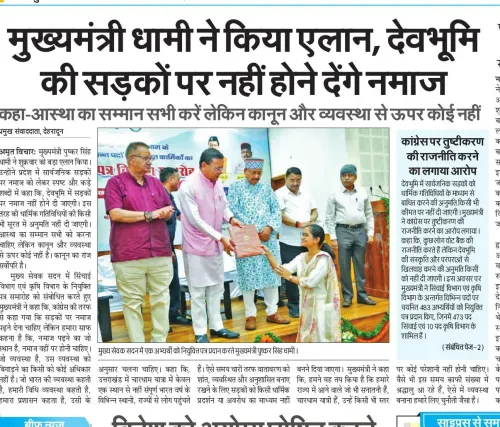
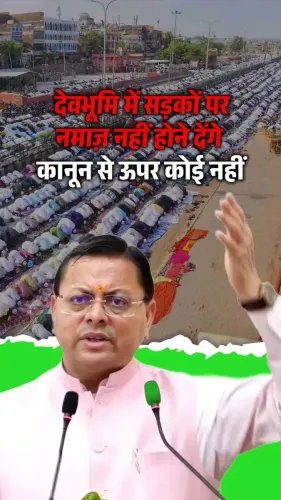
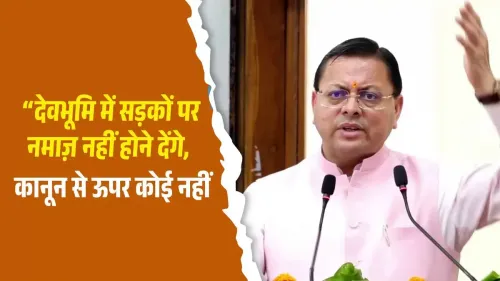
Uttarakhand Chief Minister Pushkar Singh Dhami declared on Monday, 25 May 2026 that namaz in the state will be permitted only at designated and appropriate locations, warning that no one will be allowed to take the law into their own hands in the name of prayer.
What the Chief Minister Said
Posting in Hindi on X, CM Dhami stated: 'हमारी सरकार किसी भी व्यक्ति की आस्था, पूजा-पद्धति और धार्मिक स्वतंत्रता के खिलाफ नहीं है' ['Our government is not against the faith, mode of worship, or religious freedom of any person']. He added that offering namaz on public spaces outside designated sites would not be tolerated, framing the directive as a law-and-order measure rather than a restriction on religious practice itself.
The statement drew a clear distinction between the constitutional right to practise religion and what the Chief Minister described as unlawful occupation of public spaces for prayer. Dhami said the state government would ensure compliance with its position.
Context
Complaints about namaz being offered on public roads, footpaths, and open grounds have periodically surfaced across several north Indian states, prompting local administrations to issue advisories. Uttarakhand, a state with a significant Hindu pilgrim economy centred on sites such as Haridwar, Rishikesh, and the Char Dham circuit, has seen recurring local disputes over the use of public spaces for religious gatherings by any community.
Several BJP-governed states have issued similar guidelines restricting religious gatherings on public roads, presenting them as enforcement of existing municipal and police rules rather than new legislation targeting any single community. CM Dhami's statement follows that established pattern.
Policy Backdrop
The Dhami government has pursued a series of assertive social-policy measures since taking office in 2021. In 2022, the state enacted the Prohibition of Unlawful Conversion of Religion Act, targeting coerced or fraudulent religious conversions. That same year, the state cabinet approved the drafting of a Uniform Civil Code — a first among Indian states — aimed at uniform personal laws across all religious communities.
The namaz directive fits within this broader governance posture, which the administration consistently frames as upholding constitutional order and equal application of law rather than singling out any faith. Critics, however, argue that such directives disproportionately affect the Muslim community.
Stakeholders and Impact
The directive most directly affects Uttarakhand's Muslim residents and workers, many of whom are employed in the construction, hospitality, and trade sectors in towns across the state. Community leaders and legal advocates are expected to scrutinise whether district administrations formally notify designated prayer sites as an accompanying measure.
Law-enforcement agencies will be responsible for implementation, raising questions about how 'designated and appropriate' locations will be defined and communicated. Road users and residents in areas where public-space namaz has previously occurred are also immediate stakeholders.
What's Next
Attention will now turn to whether Uttarakhand district administrations issue formal notifications identifying approved namaz sites, and whether affected groups approach the Uttarakhand High Court to challenge the directive. The statement is likely to amplify debate over the balance between public-order regulation and the constitutional guarantee of freedom of religion under Article 25 of the Indian Constitution. How the state government translates this political declaration into administrative action will determine its practical and legal durability.
Frequently Asked Questions
What did Uttarakhand CM Dhami say about namaz?
CM Pushkar Singh Dhami stated on 25 May 2026 that namaz in Uttarakhand will be permitted only at designated and appropriate locations, and that no one will be allowed to take the law into their own hands in the name of prayer.
Is namaz banned in Uttarakhand?
No outright ban has been declared; CM Dhami's statement restricts namaz to designated and appropriate sites rather than prohibiting it entirely, framing the measure as a public-order directive.
Which states in India have restricted namaz on public roads?
Several BJP-governed states have issued guidelines restricting religious gatherings, including namaz, on public roads and open spaces, presenting these as enforcement of existing municipal and police rules.
What other religious laws has the Uttarakhand government passed?
The Uttarakhand government enacted the Prohibition of Unlawful Conversion of Religion Act in 2022 and approved drafting of a Uniform Civil Code the same year, both under Chief Minister Pushkar Singh Dhami.
Can the Uttarakhand namaz order be challenged in court?
Legal experts note that affected groups could petition the Uttarakhand High Court, arguing the directive impinges on the constitutional right to freedom of religion under Article 25, particularly if designated sites are not formally notified.