CM Dhami salutes NDRF's round-the-clock vigil in Uttarakhand
Synopsis
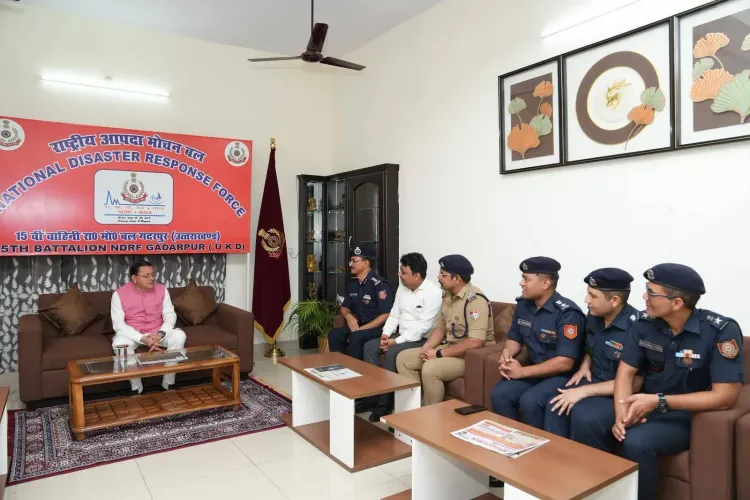
Uttarakhand CM Pushkar Singh Dhami praised NDRF personnel for their courage and round-the-clock readiness in one of India's most disaster-prone states, and reaffirmed his government's commitment to strengthening multi-agency disaster management coordination.
Key Takeaways
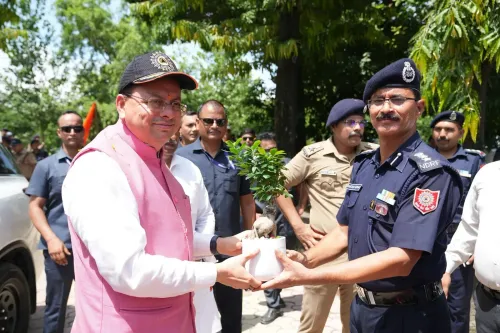
CM Pushkar Singh Dhami praised NDRF jawans for remaining in 'alert mode at all times' in Uttarakhand , a state highly vulnerable to floods, landslides and cloudbursts.
He specifically highlighted their courage, discipline, dedication and spirit of service even in adverse conditions.
The state government is actively working to improve coordination among all disaster-response agencies, including the NDRF, SDRF and local administration.
The National Disaster Management Act, 2005 and the 2013 Kedarnath floods are the twin pillars that shaped Uttarakhand's current disaster preparedness architecture.
The post was made on 31 July 2026 , mid-monsoon — a period of peak operational demand for disaster response teams in the Himalayas.
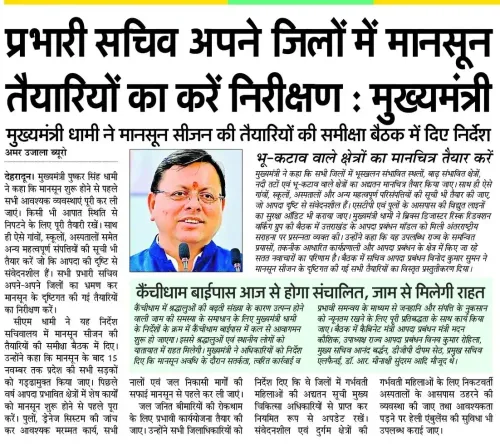
In a state where the mountains themselves can turn hostile overnight, Uttarakhand Chief Minister Pushkar Singh Dhami on Friday, 31 July 2026 publicly acknowledged the National Disaster Response Force's unflinching readiness — and signalled that his government is actively working to sharpen inter-agency coordination across the disaster-prone Himalayan state.
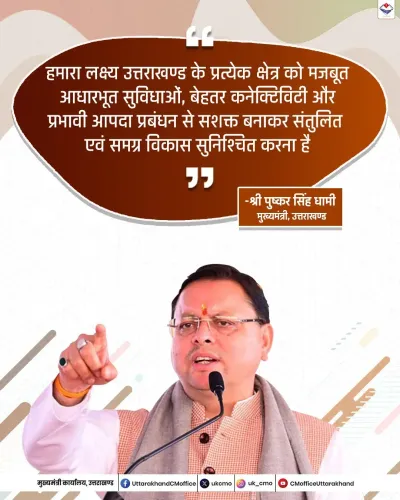
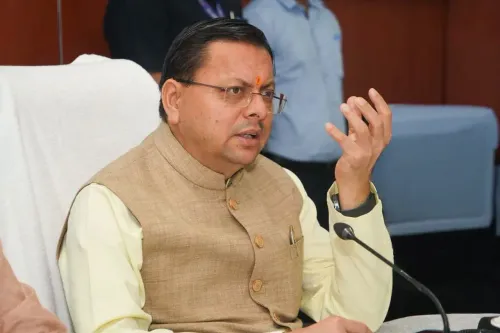
Posting in Hindi, CM Dhami wrote that in a 'sensitive state like Uttarakhand', NDRF personnel remain in 'alert mode at all times' for the protection of lives and relief operations under every challenging condition. 'विपरीत परिस्थितियों में भी उनका साहस, अनुशासन, समर्पण और सेवा भाव सराहनीय है' — 'Even in adverse conditions, their courage, discipline, dedication and spirit of service are commendable,' he said. The state government, he added, is continuously working to strengthen disaster management through better coordination among all concerned agencies.
Why Uttarakhand demands constant readiness
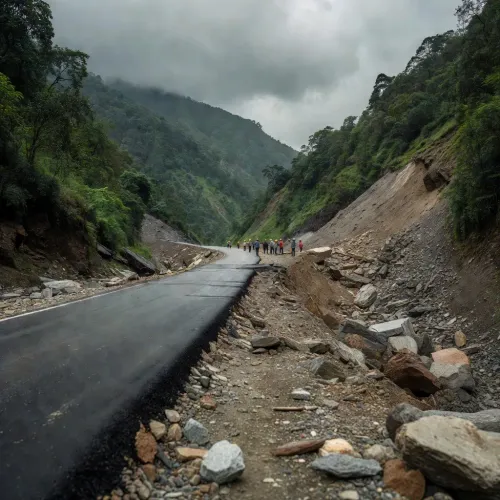
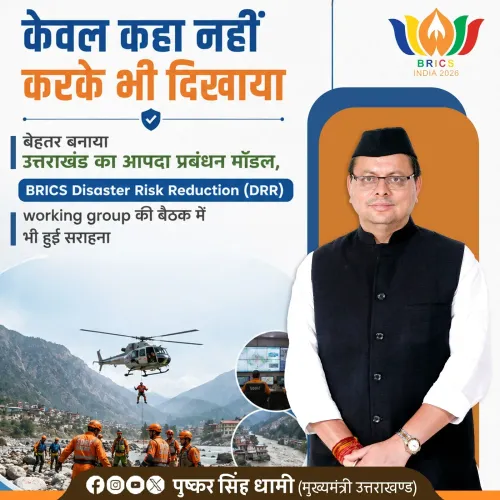
Uttarakhand is not merely disaster-prone — it is one of India's most geologically and climatically volatile territories. Floods, cloudbursts, landslides and earthquakes are not exceptional events here; they are seasonal certainties. The 2013 Kedarnath floods, one of the deadliest natural disasters in post-independence India, fundamentally reshaped how the state and the Centre think about preparedness, triggering enhanced State Disaster Management Authority (SDMA) protocols and tighter coordination frameworks between the NDRF, state police, SDRF and local administration.
The National Disaster Management Act, 2005 created the legal scaffolding for this entire architecture — establishing disaster authorities at both national and state levels and mandating multi-agency response. The NDRF itself, formed in 2006 under the Ministry of Home Affairs, was designed precisely for moments when ordinary civil machinery is overwhelmed. In Uttarakhand, those moments arrive with monsoon regularity.
Coordination as policy, not just rhetoric
Dhami's emphasis on 'better coordination among all concerned agencies' echoes a consistent thread in Uttarakhand's governance since 2013 — the recognition that speed and seamlessness between NDRF battalions, the SDRF, district administrations and local first responders can be the difference between a contained crisis and a catastrophe. His government has previously flagged joint drills and monsoon preparedness reviews as priority exercises ahead of each rainy season.
The post carries no announcement of a new scheme or emergency, but its timing — deep in the monsoon window — is deliberate. It is a signal to both personnel on the ground and citizens in vulnerable zones that the state machinery is watching, and that the political leadership is aligned with the operational chain.
Uttarakhand's NDRF jawans work in terrain that defeats most conventional logistics. The next time a cloudburst cuts a mountain road or a river swallows a village, the coordination CM Dhami is describing will be the first thing tested.
Point of View
But it fits a longer arc: since the 2013 Kedarnath disaster, every Uttarakhand government has been compelled to treat disaster management as a core governance credential, not a peripheral concern. For a BJP chief minister in a state where the hills vote on lived safety, being visibly aligned with the boots-on-the-ground responders carries real electoral weight. The emphasis on inter-agency coordination — rather than a new scheme or budget line — suggests the priority right now is operational efficiency within existing structures, not institutional expansion.
NationPress
31 Jul 2026
Frequently Asked Questions
What did CM Dhami say about NDRF in Uttarakhand?
CM Pushkar Singh Dhami praised NDRF personnel for remaining in 'alert mode at all times' in Uttarakhand, commending their courage, discipline, dedication and spirit of service even in adverse conditions, and said his government is working to strengthen inter-agency disaster coordination.
Why is Uttarakhand considered a sensitive state for disaster management?
Uttarakhand is a Himalayan state highly vulnerable to floods, cloudbursts, landslides and earthquakes due to its terrain and climate. The catastrophic 2013 Kedarnath floods underscored the scale of risk and reshaped the state's disaster preparedness protocols.
What is the NDRF and when was it formed?
The National Disaster Response Force (NDRF) is India's specialised disaster response force, established in 2006 under the Ministry of Home Affairs following the National Disaster Management Act, 2005. It is the primary agency deployed during major natural disasters across the country.
What agencies coordinate disaster response in Uttarakhand?
Disaster response in Uttarakhand involves the NDRF, the State Disaster Response Force (SDRF), state police, district administrations and local first responders, all operating under the framework of the State Disaster Management Authority.
Is there a new disaster policy announced by Uttarakhand government?
No new policy or scheme was announced. CM Dhami's post reaffirmed the government's ongoing commitment to improving coordination among existing disaster management agencies, particularly relevant during the active monsoon season.