CM Dhami: Uttarakhand first to enforce UCC for all citizens
Synopsis
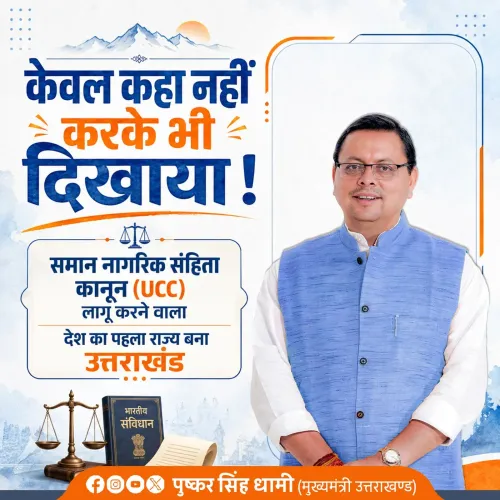
Chief Minister Pushkar Singh Dhami reaffirmed on 14 July 2026 that Uttarakhand, the first state in independent India to enact a Uniform Civil Code, has replaced religion-based personal laws with a single civil framework for all residents — a move with national political and legal ramifications.
Key Takeaways
CM Pushkar Singh Dhami stated on 14 July 2026 that Uttarakhand has implemented the Uniform Civil Code (UCC) , establishing one law for all citizens.
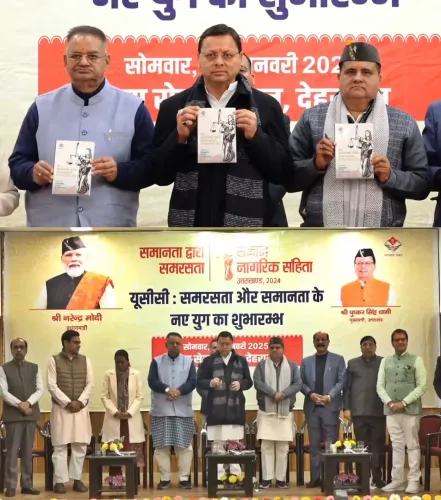
Uttarakhand became the first state in independent India to pass a UCC bill, doing so in February 2024 .
The UCC replaces separate religion-based personal laws on marriage, divorce, inheritance, and adoption .
Women are among the primary beneficiaries, gaining standardised rights previously uneven across personal law regimes.
Other BJP-ruled states such as Gujarat and Assam have signalled intent to follow, while opposition parties and minority groups have raised federalism and rights concerns.
Legal challenges before the Uttarakhand High Court and Supreme Court of India remain active.
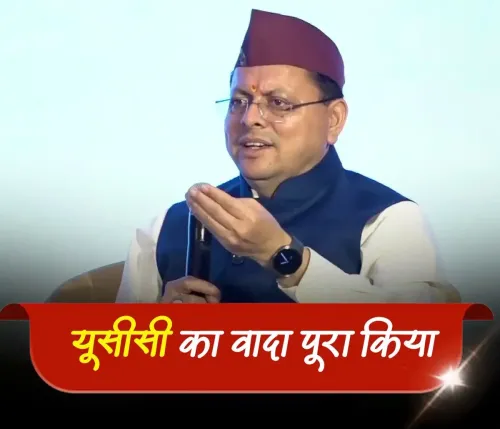
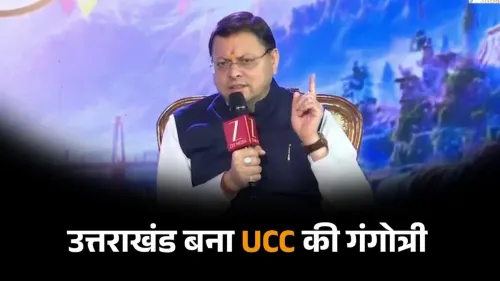
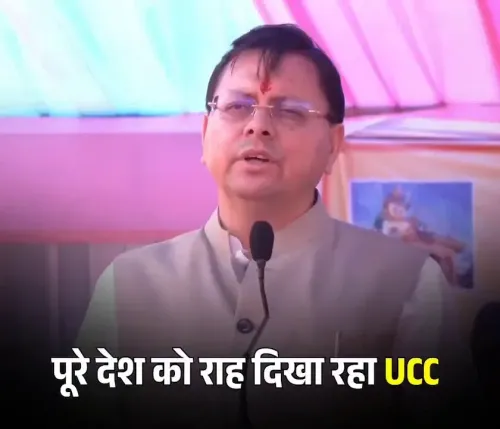
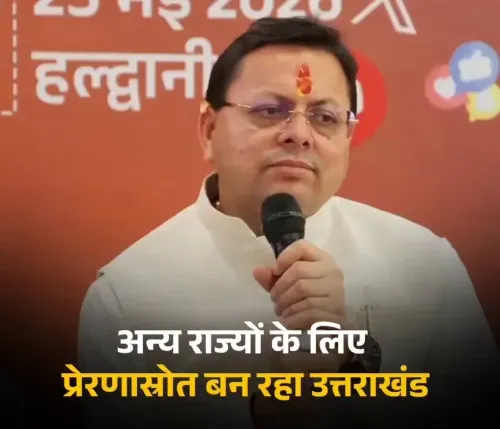
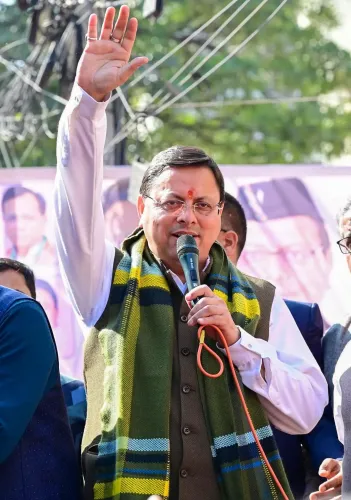
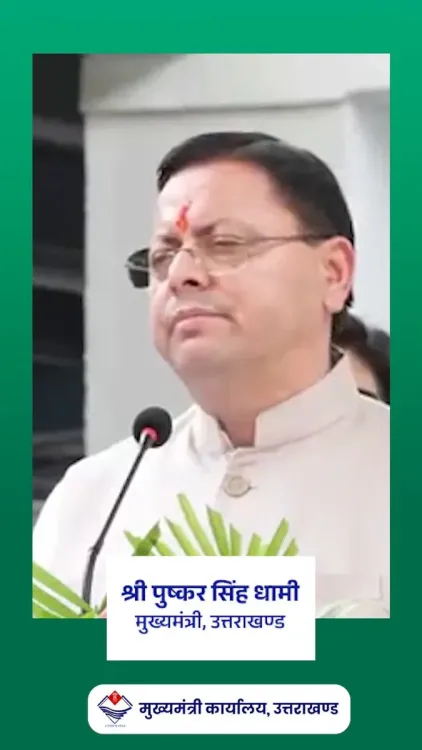
The Chief Minister's Office of Uttarakhand on Tuesday, 14 July 2026, shared a statement from Chief Minister Pushkar Singh Dhami reaffirming the state's landmark implementation of the Uniform Civil Code (UCC), calling it a decisive step toward a single legal framework for all residents regardless of religion.
In the post, CM Dhami is quoted as saying: 'Sabse pehle Samaan Nagrik Sanhita (UCC) laagu karke ye saaf kar diya ki Uttarakhand mein ab alag-alag kanoon nahin balki sabke liye ek samaan kanoon laagu honge' — ('By implementing the Uniform Civil Code first, it has been made clear that in Uttarakhand, there will no longer be different laws for different people, but one equal law for everyone.')
Context
Uttarakhand made history in February 2024 when its state assembly passed the Uniform Civil Code Bill, becoming the first state in independent India to enact such legislation. The code replaces religion-based personal laws governing marriage, divorce, inheritance, and adoption with a single, uniform set of civil laws applicable to all citizens. CM Dhami's statement on 14 July 2026 signals continued political emphasis on the law's implementation and its centrality to the state government's identity.
Policy Backdrop
Article 44 of the Indian Constitution lists a Uniform Civil Code among the Directive Principles of State Policy — a goal the framers considered desirable but left to future legislatures. The Bharatiya Janata Party (BJP) has carried a national UCC commitment in successive election manifestos, and Uttarakhand's passage of the bill positioned the state as a test case for personal-law reform at the national level. The law's notification of rules and phased rollout has been closely watched by legal scholars, religious organisations, and policymakers across the country.
The UCC's provisions aim to standardise civil rights — particularly for women — by removing disparities that existed under separate personal law regimes for Hindu, Muslim, Christian, and tribal communities. Supporters argue the code advances gender equality and national integration; critics, including several opposition parties and minority organisations, have raised concerns about federalism, cultural autonomy, and minority rights.
Stakeholders and Impact
Women are among the most directly affected stakeholders, as the UCC standardises rights around marriage age, divorce procedures, and inheritance that previously varied significantly across personal law systems. Religious communities — particularly Muslim and Christian groups — have expressed reservations, arguing that uniform civil law imposes a majoritarian framework on practices protected under religious freedom. Tribal communities in Uttarakhand have separately sought exemptions, citing customary laws that govern land and family structures.
Other BJP-ruled states, including Gujarat and Assam, have since formed committees or signalled legislative intent to follow Uttarakhand's lead, making the state's implementation experience a political and administrative reference point. Ongoing Supreme Court petitions seeking a national UCC have also drawn renewed attention to Uttarakhand's model.
What's Next
Legal scrutiny remains a key variable, with challenges before the Uttarakhand High Court and the Supreme Court of India still pending. The notification of final implementing rules and the state administration's capacity to handle registration and compliance across diverse communities will determine how smoothly the code takes root. Whether other states translate committee reports into legislation — and whether the Centre moves toward a national UCC — will be shaped in large part by Uttarakhand's on-ground experience.
Point of View
A functioning UCC in Uttarakhand serves as both a proof-of-concept and a campaign asset in states where the party is eyeing similar legislation. The opposition's challenge will be to shift the debate from symbolic firsts to ground-level implementation and the protection of minority customary rights.
NationPress
14 Jul 2026
Frequently Asked Questions
What is the Uniform Civil Code in Uttarakhand?
The Uniform Civil Code (UCC) in Uttarakhand is a state law, passed in February 2024, that replaces separate religion-based personal laws on marriage, divorce, inheritance, and adoption with a single set of civil rules applicable to all residents regardless of religion.
Was Uttarakhand the first state to implement UCC in India?
Yes. Uttarakhand became the first state in independent India to pass and begin implementing a Uniform Civil Code after its assembly enacted the UCC Bill in February 2024.
What did CM Pushkar Singh Dhami say about UCC?
CM Dhami stated that by implementing the UCC first, Uttarakhand has made clear that there will no longer be different laws for different communities — one equal law will apply to everyone in the state.
How does the UCC affect women in Uttarakhand?
The UCC standardises women's rights in areas such as marriage age, divorce procedures, and inheritance, removing disparities that previously existed under different personal law regimes for Hindu, Muslim, and Christian communities.
Are there legal challenges to Uttarakhand's UCC?
Yes. Petitions challenging the UCC are pending before the Uttarakhand High Court and the Supreme Court of India, with critics arguing concerns over minority rights, federalism, and cultural autonomy.