CM Dhami Welcomes First Kailash Mansarovar Yatra 2026 Batch in Tanakpur
Synopsis
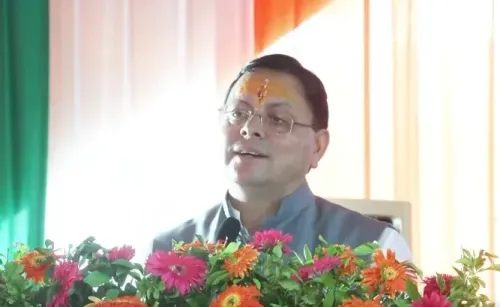
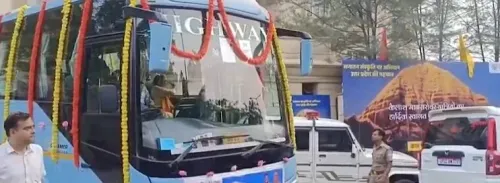
Uttarakhand CM Pushkar Singh Dhami presided over the welcome ceremony for the first batch of Kailash Mansarovar Yatra 2026 pilgrims at Tanakpur, Champawat on 5 July 2026, marking the start of this year's cross-border pilgrimage season via the Lipulekh Pass route.
Key Takeaways
Uttarakhand Chief Minister Pushkar Singh Dhami hosted the welcome ceremony for the first batch of Kailash Mansarovar Yatra 2026 pilgrims on 5 July 2026 .
The ceremony was held at Tanakpur in Champawat district , the primary staging point for the Lipulekh Pass route.
The Kailash Mansarovar Yatra resumed in 2023 after a three-year suspension due to the COVID-19 pandemic .
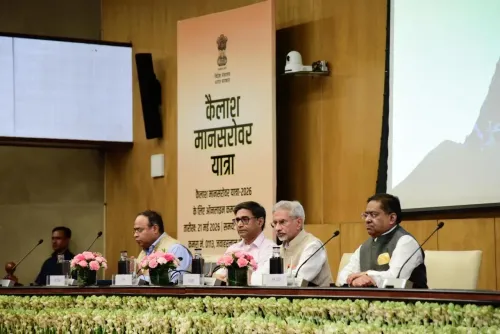
The yatra requires Chinese government approval and is coordinated through the Ministry of External Affairs under India-China bilateral agreements.
The Uttarakhand government upgraded pilgrim infrastructure along the Tanakpur-Lipulekh corridor in 2022 as part of its border area development programme.
Remaining 2026 batches are expected to follow through the pilgrimage season, subject to central diplomatic clearances.
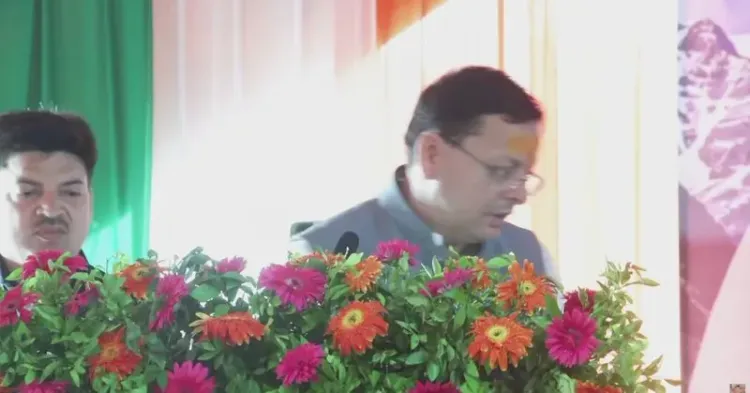
Uttarakhand Chief Minister Pushkar Singh Dhami presided over a formal welcome ceremony for the first batch of Kailash Mansarovar Yatra 2026 pilgrims at Tanakpur, Champawat on Sunday, 5 July 2026, marking the official commencement of this year's cross-border pilgrimage season. The event, broadcast live on the Chief Minister's official X account, signals the full operational resumption of one of Hinduism's most revered yatras through Uttarakhand's border corridor.
Context
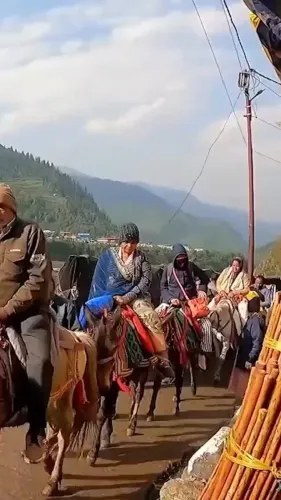
The Kailash Mansarovar Yatra is an annual pilgrimage to Mount Kailash and Lake Mansarovar in Tibet, considered sacred in both Hindu and Buddhist traditions. The yatra requires Chinese government approval and is coordinated through designated Indian routes, with Uttarakhand serving as one of the primary facilitation states. The welcome ceremony at Tanakpur — the main staging town in Champawat district — is a ceremonial tradition that marks the dispatch of each batch toward the high-altitude Lipulekh Pass crossing.
The yatra had been suspended for three years due to the COVID-19 pandemic, resuming in 2023. The 2026 edition marks the continuation of this resumed tradition, with state authorities playing a central logistical and ceremonial role.
Policy Backdrop
The Uttarakhand government undertook significant pilgrim infrastructure upgrades along the Tanakpur-Lipulekh corridor in 2022 as part of its broader border area development programme. These investments — covering rest houses, road connectivity, and medical facilities — were designed to ease the physically demanding journey for pilgrims navigating one of India's most challenging terrain routes.
The yatra operates within the framework of India-China bilateral agreements on pilgrim movement, requiring diplomatic clearance from the Ministry of External Affairs before each batch departs. State governments like Uttarakhand coordinate closely with central agencies to ensure Standard Operating Procedures are followed at every stage of the journey.
Stakeholders and Impact
The yatra's economic footprint extends well beyond the pilgrims themselves. Champawat district and the wider Kumaon belt benefit directly through hospitality, transport, and supply chains that activate each season. Local tourism operators, porters, and border district residents depend on the annual pilgrim flow for a significant share of seasonal income.
For the BJP-led Uttarakhand government, hosting and amplifying the welcome ceremony carries both cultural and political weight, positioning the state as a responsible steward of religious heritage and Himalayan border diplomacy. Chief Minister Dhami's live broadcast of the event underscores the administration's intent to project active engagement with religious tourism.
What's Next
Subsequent batches of Kailash Mansarovar Yatra 2026 are expected to depart through the season, with the Ministry of External Affairs coordinating approvals for each group. Observers will watch for any announcements on upgraded transit facilities, revised SOPs, or changes to batch sizes that could reflect evolving bilateral protocols between India and China. The smooth conduct of the first batch's welcome ceremony sets the tone for the remainder of the 2026 pilgrimage calendar.
Point of View
A pattern increasingly common among BJP-governed Himalayan states. The Kailash Mansarovar Yatra sits at the intersection of cultural diplomacy and bilateral relations with China, making each season's smooth launch a quiet but meaningful signal of India-China engagement. For Uttarakhand, which has positioned itself as the gateway to multiple high-altitude pilgrimage circuits, sustaining the yatra's operational continuity reinforces the state's identity as both a spiritual hub and a border-management partner of the central government. The 2026 commencement, broadcast live, amplifies that positioning to a national audience of devout Hindus and policy watchers alike.
NationPress
5 Jul 2026
Frequently Asked Questions
What is the Kailash Mansarovar Yatra and why is it significant?
The Kailash Mansarovar Yatra is an annual Hindu-Buddhist pilgrimage to Mount Kailash and Lake Mansarovar in Tibet, considered among the most sacred journeys in both traditions. It requires Chinese government approval and diplomatic coordination between India and China, making it as much a bilateral exercise as a religious one.
Which route does the Kailash Mansarovar Yatra take through Uttarakhand?
The Uttarakhand route passes through Tanakpur and Champawat district before ascending to the Lipulekh Pass, a high-altitude border crossing managed jointly by state and central agencies.
When did the Kailash Mansarovar Yatra resume after COVID-19?
The yatra resumed in 2023 after a three-year suspension caused by the COVID-19 pandemic, with Uttarakhand designated as one of the primary facilitation states.
What infrastructure has Uttarakhand built for the Kailash Mansarovar Yatra?
The Uttarakhand government upgraded pilgrim facilities along the Tanakpur-Lipulekh corridor in 2022 under its border area development programme, covering rest houses, road connectivity, and medical support.
What is CM Pushkar Singh Dhami's role in the Kailash Mansarovar Yatra 2026?
Chief Minister Pushkar Singh Dhami presided over the formal welcome ceremony for the first batch of 2026 pilgrims at Tanakpur, Champawat on 5 July 2026, with the event broadcast live on his official social media account.