CM Fadnavis chairs FTI meet, eyes quantum tech ecosystem
Synopsis
Chief Minister Devendra Fadnavis chaired a meeting of Maharashtra's Frontier Technology Institute on 18 July 2026, calling for a comprehensive quantum computing and deep tech ecosystem, a 5,000-person training target under MITRA, and coordination with the Tata Group's Mumbai Innovation City project.
Key Takeaways
CM Devendra Fadnavis chaired the Maharashtra Advanced Manufacturing and Frontier Technology Institute (FTI) meeting on 18 July 2026 .
The state plans to build a comprehensive ecosystem for quantum computing and deep tech , aligned with the Centre's National Quantum Mission (2023) .
MITRA will run a quantum computing trainer programme targeting at least 5,000 trained persons in two to three years .
The Maharashtra government has partnered with the Tata Group for the Mumbai Innovation City project, with blueprinting under way.
MSMEs were identified as underserved by frontier technology due to gaps in funding, technical capacity, and skills — the state aims to address this through shared smart platforms.
Deepak Karanjeekar , Convener of the FTI, attended the meeting alongside other experts and dignitaries.
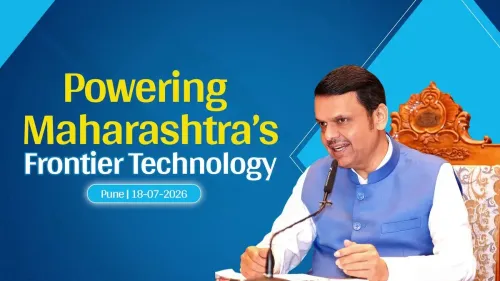
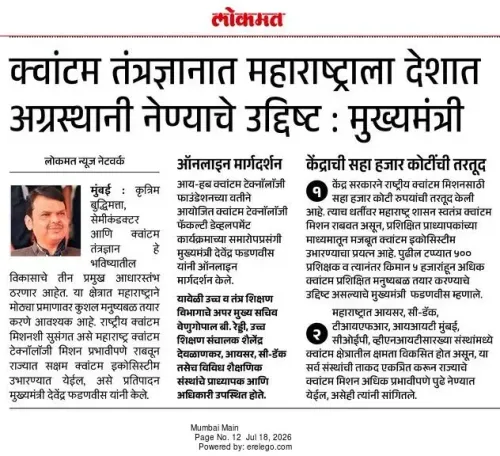
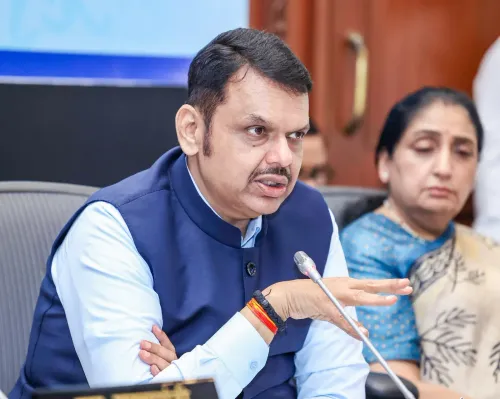
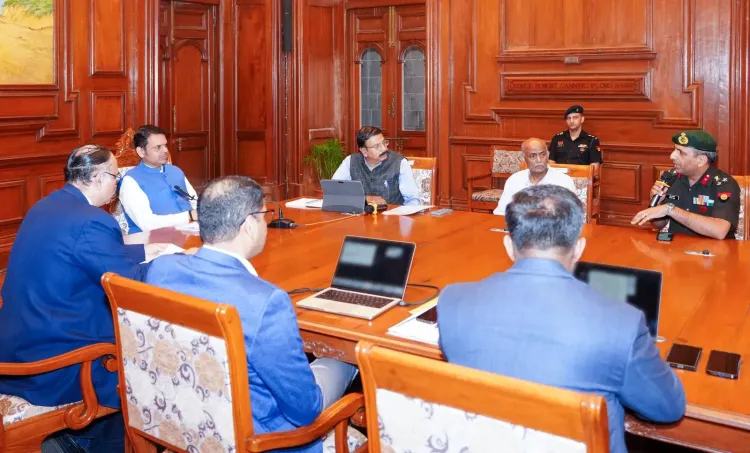
Chief Minister Devendra Fadnavis chaired a meeting of the Maharashtra Advanced Manufacturing and Frontier Technology Institute (FTI) on Saturday, 18 July 2026, calling for the rapid creation of a robust, inclusive ecosystem for quantum computing and deep tech in the state.
Context
Speaking at the FTI meeting, CM Fadnavis underscored the pace of the global technological shift driven by quantum computing and deep tech. He noted that "मानवी इतिहासात इतक्या वेगाने वाढणारे तंत्रज्ञान यापूर्वी कधीही पाहायला मिळाले नाही" — ['no technology in human history has grown at this speed'] — and argued that India must become an active part of this transformation.
The Chief Minister pointed to the scale of the opportunity, stating that the global market for quantum computing and deep tech stood at roughly 2 to 3 trillion US dollars in 2024 and is projected to reach 16 trillion dollars within the next five years. He described artificial intelligence (AI), silicon technology, and quantum computing as world-changing forces that will affect every sector of industry and commerce.
Policy Backdrop
The FTI meeting sits within a broader national push. The Union Cabinet approved India's National Quantum Mission in 2023, committing to build domestic quantum computing capacity over eight years. CM Fadnavis explicitly stressed that Maharashtra's state-level efforts must remain aligned with central government schemes of this kind.
Maharashtra has also pursued semiconductor and electronics manufacturing policies since the early 2020s to position itself as a production hub. The Chief Minister acknowledged that while India has made meaningful progress in frontier technology over the past two to three years, current efforts remain fragmented across multiple levels. He called for "संस्थात्मकीकरण" — [institutionalisation] — of these scattered initiatives to accelerate national progress.
The state body MITRA (Maharashtra Advanced Manufacturing and Frontier Technology Institute-related agency) is already working in this direction, and CM Fadnavis emphasised the need to consolidate all relevant institutions and policies into a single, effective strategic framework for smart manufacturing and deep tech.
Stakeholders and Impact
A key concern raised at the meeting was the limited access that micro, small and medium enterprises (MSMEs) have to frontier technologies, owing to gaps in funding, technical capacity, and skills. The Chief Minister said the state must develop smart platforms, facilities, and a capable workforce accessible to all, not just large corporations.
Through MITRA, the state government plans to launch a quantum computing trainer-development programme with a target of training at least 5,000 persons in the next two to three years. The state government has also stated it is prepared to make the necessary investment to build new facilities and digital platforms.
On the urban innovation front, CM Fadnavis noted that the state has partnered with the Tata Group for the 'Innovation City' project being developed in Mumbai, with blueprint work currently under way. He said the FTI initiative and the Innovation City concept are complementary and can be coordinated to work in tandem.
What's Next
Experts present at the FTI meeting held detailed discussions on opportunities in quantum computing across research, industry, and skill development. Deepak Karanjeekar, Convener of the Institute, and other dignitaries were in attendance.
The formal launch and funding structure of the Frontier Technology Institute, the rollout of the 5,000-person MITRA training programme, and the coordination outcomes between the proposed institute and Mumbai Innovation City will be closely watched as Maharashtra moves to translate policy intent into institutional reality. The state's ability to align its ecosystem-building with the National Quantum Mission will determine how quickly these ambitions convert into measurable outcomes.
Point of View
CM Fadnavis is positioning Maharashtra as a willing partner rather than a rival to central policy, a politically astute stance that could unlock federal funding. The MSME focus is notable: it broadens the political constituency for an otherwise elite-facing technology agenda. The Tata Group partnership for Mumbai Innovation City adds private-sector credibility but also raises questions about governance, land allocation, and equitable access that will need answers as the project moves from blueprint to ground.
NationPress
19 Jul 2026
Frequently Asked Questions
What is the Maharashtra Frontier Technology Institute (FTI)?
The Maharashtra Advanced Manufacturing and Frontier Technology Institute (FTI) is a state-level body chaired by Chief Minister Devendra Fadnavis, focused on building an ecosystem for quantum computing, deep tech, AI, and smart manufacturing in Maharashtra.
What is MITRA and what role does it play in quantum computing?
MITRA is a Maharashtra state agency working on smart manufacturing and deep tech policy. Under the FTI framework, MITRA is set to run a quantum computing trainer-development programme with a target of training at least 5,000 persons over the next two to three years.
What is India's National Quantum Mission and how does Maharashtra fit in?
India's National Quantum Mission was approved by the Union Cabinet in 2023 to build domestic quantum computing capacity over eight years. CM Fadnavis has said Maharashtra's state-level efforts must align with this central mission to avoid duplication and maximise impact.
What is the Mumbai Innovation City project?
Mumbai Innovation City is an urban innovation project being developed in Mumbai for which the Maharashtra government has partnered with the Tata Group. Blueprint preparation is currently under way, and the state plans to coordinate it with the FTI initiative.
How will Maharashtra's quantum computing push benefit MSMEs?
CM Fadnavis acknowledged that MSMEs currently lack the funding, technical capacity, and skills to benefit from frontier technologies. The state plans to develop shared smart platforms, common facilities, and a capable workforce to make these technologies accessible to smaller enterprises.