CM Fadnavis Flags Off Bodh Gaya Pilgrimage Train Under State Scheme

Synopsis
Maharashtra Chief Minister Devendra Fadnavis flagged off a special railway pilgrimage to Bodh Gaya from Nagpur on 11 July 2026, under the state's Mukhyamantri Tirtha Darshan Yojana, extending subsidised religious travel to Buddhist devotees across the state.
Key Takeaways
CM Devendra Fadnavis launched the Bodh Gaya pilgrimage train at 12:37 PM on 11 July 2026 from Nagpur .
The journey is organised under the Mukhyamantri Tirtha Darshan Yojana , Maharashtra's subsidised pilgrimage travel scheme.
Bodh Gaya in Bihar is among the holiest Buddhist sites globally, where Gautama Buddha is believed to have attained enlightenment.
The scheme primarily targets elderly pilgrims and Buddhist devotees who lack resources for independent travel.
Nagpur has a significant neo-Buddhist community with roots in Dr B.R.
Ambedkar's 1956 mass conversion movement.
Future expansion to additional destinations and formal Indian Railways tie-ups are being watched as indicators of the scheme's scale.
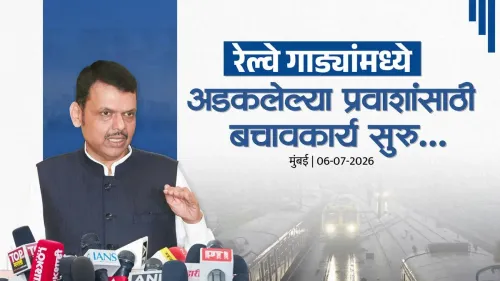
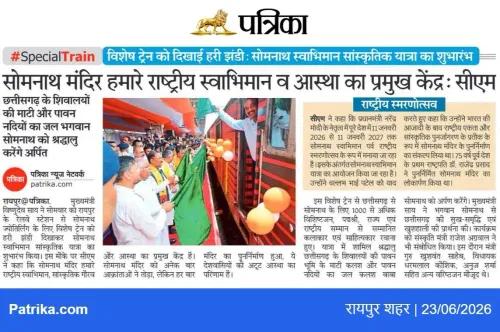
Maharashtra Chief Minister Devendra Fadnavis on Saturday, 11 July 2026, flagged off a special pilgrimage railway journey to Bodh Gaya under the state government's Mukhyamantri Tirtha Darshan Yojana, launching the event from Nagpur at 12:37 PM IST.
Context
The Chief Minister announced the launch live, posting in Marathi: 'मुख्यमंत्री तीर्थदर्शन योजनेंतर्गत बोधगया दर्शन रेल्वे यात्रेचा शुभारंभ' — meaning 'Launch of the Bodh Gaya darshan railway journey under the Mukhyamantri Tirtha Darshan Yojana.' The event was broadcast live and geo-tagged to Nagpur, the winter capital of Maharashtra.
Bodh Gaya, located in Bihar, is one of the most significant Buddhist pilgrimage sites in the world, revered as the place where Gautama Buddha attained enlightenment under the Bodhi tree. Its inclusion in the Maharashtra government's pilgrimage scheme underscores an outreach to the state's Buddhist community.
Policy Backdrop
The Mukhyamantri Tirtha Darshan Yojana is a Maharashtra government welfare scheme that offers subsidised pilgrimage travel to religious sites for eligible citizens, particularly targeting elderly residents with limited financial means. The scheme draws on a longer tradition of state-facilitated religious travel in Maharashtra, which has included Haj assistance and other pilgrimage programmes since the 2000s.
Across India, multiple state governments have introduced similar tirtha darshan or pilgrimage-facilitation schemes since the 2010s, blending social-sector welfare spending with domestic tourism promotion. The addition of Bodh Gaya to Maharashtra's itinerary follows a broader national pattern of states incorporating Buddhist circuits alongside traditional Hindu pilgrimage destinations.
Stakeholders and Impact
The primary beneficiaries of this rail journey are Buddhist devotees and elderly pilgrims from Maharashtra who may otherwise lack the resources to undertake the journey to Bihar independently. By providing a structured, subsidised rail service, the scheme reduces both the financial and logistical barriers to religious travel.
The event's flagging off from Nagpur — a city with historical significance as the headquarters of the Rashtriya Swayamsevak Sangh and a major centre of the Ambedkarite Buddhist movement in Maharashtra — lends the occasion additional political and social resonance. The city has a substantial population of neo-Buddhist communities, many of whom trace their conversion to Dr B.R. Ambedkar's 1956 mass conversion movement.
What's Next
Observers will watch whether the Maharashtra government expands the Mukhyamantri Tirtha Darshan Yojana to additional Buddhist or other religious destinations in subsequent phases. Potential formal tie-ups with Indian Railways for dedicated special trains on a recurring schedule would signal a deeper institutionalisation of the programme beyond one-off launches.
The rollout of this Bodh Gaya train also sets a precedent for the scheme's scope, with the state government likely to face calls from other religious communities to include their own pilgrimage destinations under the same framework.
Point of View
Community-specific welfare benefits ahead of electoral cycles. Whether the programme deepens into a recurring institutional arrangement with Indian Railways, or remains a one-time symbolic gesture, will determine its long-term policy credibility.
NationPress
11 Jul 2026
Frequently Asked Questions
What is the Mukhyamantri Tirtha Darshan Yojana in Maharashtra?
The Mukhyamantri Tirtha Darshan Yojana is a Maharashtra government welfare scheme that provides subsidised railway pilgrimage travel to religious sites for eligible citizens, particularly targeting elderly residents with limited financial means.
Why was the Bodh Gaya pilgrimage train flagged off from Nagpur?
Chief Minister Devendra Fadnavis launched the journey from Nagpur, the winter capital of Maharashtra and a city with a large neo-Buddhist community, making it a fitting location for a Buddhist pilgrimage initiative.
Who can benefit from the Mukhyamantri Tirtha Darshan Yojana train to Bodh Gaya?
The scheme is primarily aimed at elderly pilgrims and Buddhist devotees from Maharashtra who seek to visit Bodh Gaya but may lack the financial or logistical means to travel independently.
What is the significance of Bodh Gaya as a pilgrimage site?
Bodh Gaya in Bihar is one of the most sacred Buddhist sites in the world, revered as the location where Gautama Buddha attained enlightenment under the Bodhi tree.
Will the Maharashtra government add more destinations to the Tirtha Darshan Yojana?
While no formal announcement has been made, observers expect the government to expand the scheme to additional religious destinations, and potential tie-ups with Indian Railways for recurring special trains are being closely watched.