CM Fadnavis launches e-TDR system and exchange for Dharavi
Synopsis
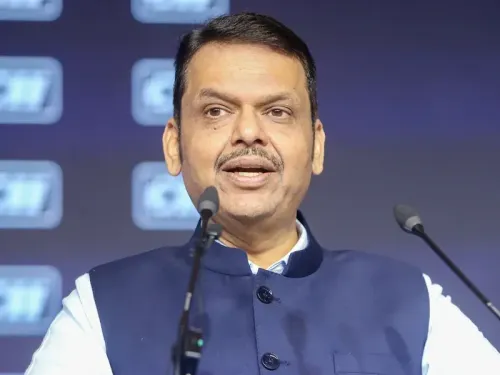
Maharashtra CM Devendra Fadnavis announced on 8 July 2026 that an e-TDR system and a dedicated TDR exchange have been established for Dharavi, making the exchange the mandatory platform for all related buying and selling of transferable development rights.
Key Takeaways
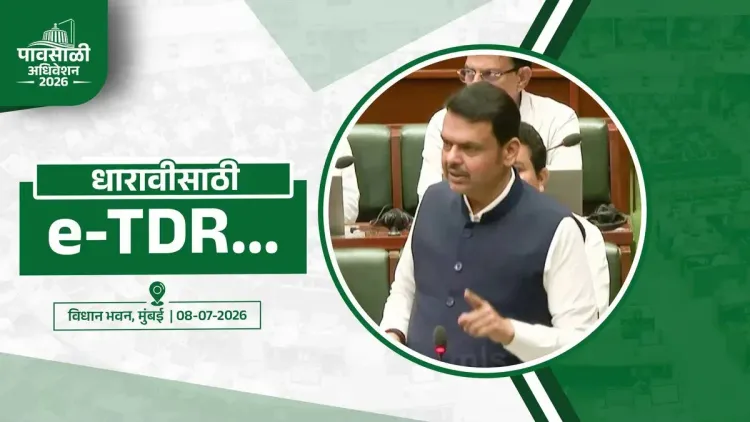
CM Devendra Fadnavis announced the implementation of an e-TDR system specifically for Dharavi at the Maharashtra Vidhan Sabha on 8 July 2026 .
A dedicated TDR exchange has been established, and all buying and selling of Dharavi-linked TDRs must now take place exclusively on this platform.
Transferable Development Rights (TDR) have been central to Mumbai's slum redevelopment financing since the 1990s , but have faced criticism for opacity and speculation.
The move shifts Dharavi TDR transactions from private bilateral deals to a regulated, centralised marketplace, aiming for greater transparency.
Key stakeholders include Dharavi residents, real estate developers, the Brihanmumbai Municipal Corporation , and the Slum Rehabilitation Authority .
The exchange could serve as a model for TDR governance in other large Mumbai redevelopment zones.
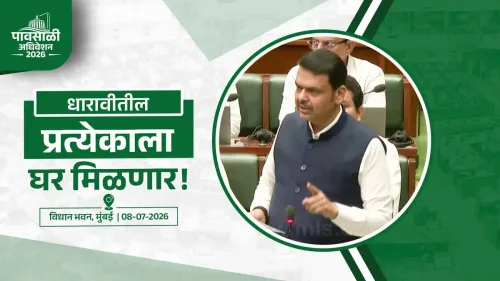
Maharashtra Chief Minister Devendra Fadnavis announced on Wednesday, 8 July 2026, that an electronic Transferable Development Rights (e-TDR) system has been implemented specifically for Dharavi, and that a dedicated TDR exchange has been established to govern all buying and selling of these rights. The announcement was made from the Maharashtra Vidhan Sabha during the Monsoon Session 2026.
Context
Fadnavis, addressing the legislature in Mumbai, stated in Marathi: 'धारावीसाठी e-TDR प्रणाली लागू केली आहे आणि आता TDR एक्स्चेंजही तयार केले आहे' — meaning, 'An e-TDR system has been implemented for Dharavi and a TDR exchange has now been established.' He further clarified that all transactions involving TDRs for this project must henceforth be routed exclusively through this exchange.
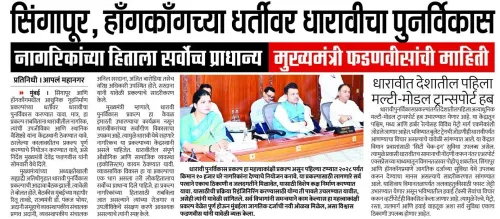
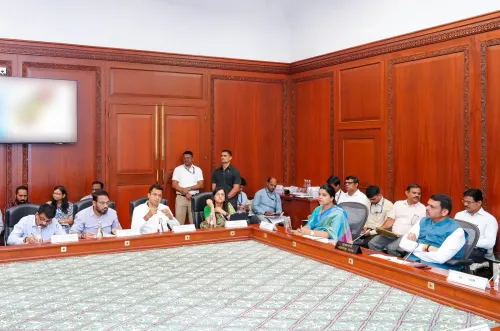
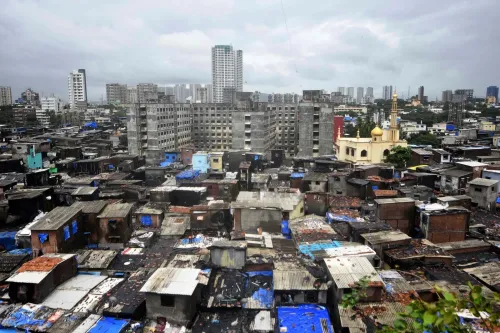
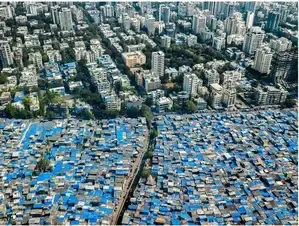
Dharavi, located in central Mumbai, is widely regarded as one of Asia's largest informal settlements and has been at the centre of large-scale redevelopment discussions for decades. The area's redevelopment involves complex land-rights negotiations where TDR has long been a central financial instrument.
Policy Backdrop
Transferable Development Rights have been a cornerstone of Mumbai's urban planning toolkit since the 1990s. The mechanism allows landowners who surrender land for public purposes — such as roads or slum rehabilitation — to receive 'rights' that can be sold to developers wishing to build beyond standard floor-space limits elsewhere in the city.
The Slum Rehabilitation Authority (SRA), established in 1995, has relied heavily on TDR incentives to fund slum redevelopment across Mumbai without direct government land expenditure. However, the TDR market has historically been criticised for opacity, price volatility, and speculative trading — concerns that a formalised digital exchange is designed to address.
The shift to an e-TDR platform and a centralised exchange represents a significant structural change: rather than bilateral private deals, all Dharavi-linked TDR transactions will now occur on a regulated, transparent marketplace. This mirrors broader efforts by successive Maharashtra governments to digitise and formalise land and development-rights markets in high-value redevelopment zones.
Stakeholders and Impact
Dharavi residents stand to be affected most directly, as the pace and terms of their rehabilitation are closely tied to the financial viability of the overall redevelopment project — which in turn depends on how efficiently TDRs are priced and traded. A liquid, transparent exchange could accelerate project timelines by reducing transaction friction for developers.
Real estate developers active in Mumbai will now be required to acquire Dharavi-linked TDRs through the official exchange rather than through private negotiations, potentially changing pricing dynamics. The Brihanmumbai Municipal Corporation (BMC) and the SRA are expected to play oversight roles in the exchange's operations.
For the broader Mumbai property market, a formalised TDR exchange could serve as a model for other large redevelopment projects across the city, setting a precedent for how development rights are traded in sensitive urban zones.
What's Next
Attention will now turn to the operational rules governing the new exchange — including eligibility criteria for buyers and sellers, price-discovery mechanisms, and settlement procedures. Trading volumes in the initial months will be closely watched as an indicator of market confidence in the new system.
Any linked updates to Dharavi redevelopment tenders or timelines are also expected to follow as the e-TDR framework becomes operational. The Monsoon Session of the Maharashtra Vidhan Sabha may see further legislative or regulatory announcements tied to this initiative, as the state government seeks to demonstrate momentum on one of Mumbai's most consequential urban projects.
Point of View
Moving a historically opaque private market onto a regulated digital platform. It reflects the Fadnavis administration's broader push to digitise land and development-rights transactions in politically sensitive urban projects, reducing scope for under-the-table pricing. If the exchange functions as intended, it could meaningfully accelerate Dharavi's long-stalled redevelopment by giving developers clearer price signals and reducing legal disputes over TDR valuations. The announcement during the Monsoon Session also signals the government's intent to use legislative visibility to build stakeholder confidence in a project that has faced years of scepticism.
NationPress
8 Jul 2026
Frequently Asked Questions
What is the e-TDR system announced for Dharavi?
The e-TDR system is an electronic platform for Transferable Development Rights linked to the Dharavi redevelopment project in Mumbai. CM Devendra Fadnavis announced on 8 July 2026 that all TDR transactions for Dharavi must now be conducted through a newly established TDR exchange rather than through private deals.
What is TDR and how does it work in Mumbai?
TDR stands for Transferable Development Rights, a policy tool that allows landowners who surrender land for public purposes to receive tradeable rights that developers can use to build beyond standard floor-space limits elsewhere in the city. Mumbai has used TDR since the 1990s to finance slum redevelopment without direct government land expenditure.
Why has a separate TDR exchange been created for Dharavi?
A dedicated TDR exchange has been created to bring transparency and regulation to what has historically been an opaque private market. By mandating that all Dharavi-linked TDR buying and selling occur on this exchange, the Maharashtra government aims to reduce speculation, improve price discovery, and build developer confidence in the redevelopment project.
Who are the main stakeholders affected by the Dharavi TDR exchange?
The main stakeholders are Dharavi residents whose rehabilitation timelines depend on project viability, real estate developers who must now buy TDRs through the exchange, and regulatory bodies such as the Slum Rehabilitation Authority and the Brihanmumbai Municipal Corporation, which are expected to oversee exchange operations.
What happens next after the Dharavi TDR exchange announcement?
Attention will focus on the operational rules of the exchange, including eligibility, price-discovery mechanisms, and settlement procedures. Further announcements related to Dharavi redevelopment tenders and timelines are expected as the e-TDR framework becomes fully operational.