CM Fadnavis: Pawana Pipeline Work Only With Farmer Consent
Synopsis
Chief Minister Devendra Fadnavis has publicly stated that work on the Pawana water pipeline project in Pune district will proceed only with the consent of farmers whose land is involved, signalling a consent-first approach to the infrastructure rollout.
Key Takeaways
The Chief Minister's Office of Maharashtra posted CM Devendra Fadnavis 's statement on 4 July 2026 .
CM Fadnavis stated that work on the Pawana pipeline project will proceed only with farmer consent.
Pawna Dam , built in 1975 in Pune district , is the source reservoir for the pipeline scheme.
Land consent and compensation disputes have historically delayed similar infrastructure projects in Maharashtra.
Affected farmers and downstream water consumers are the primary stakeholders in the project.
Construction timelines and assembly scrutiny are the key developments to watch next.
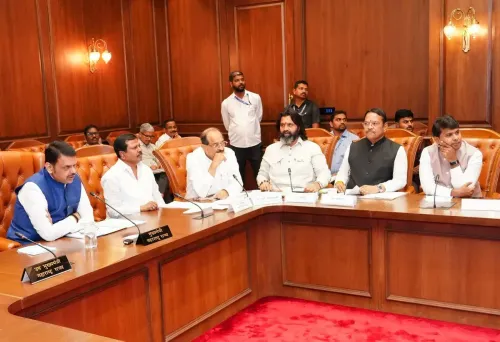
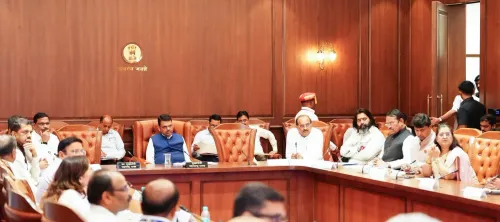
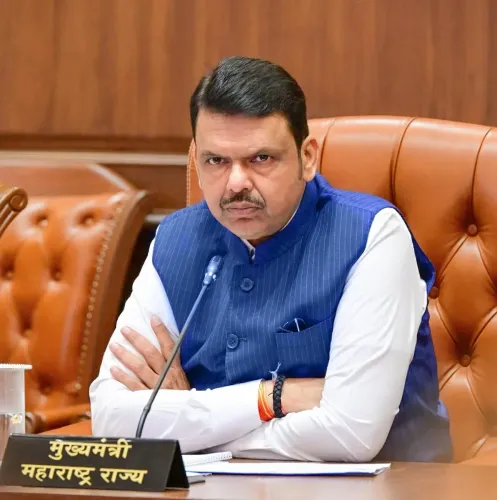
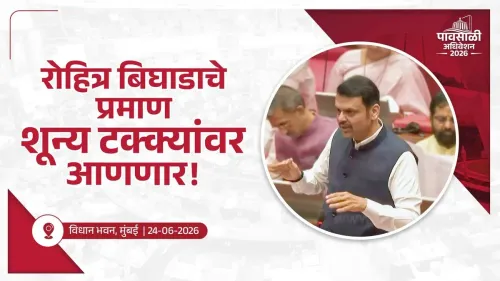
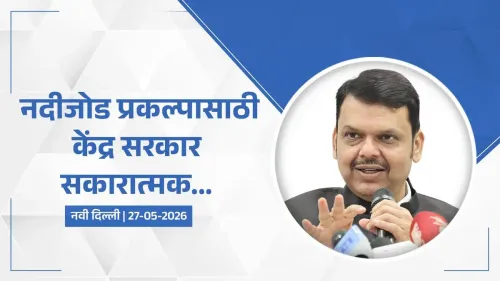
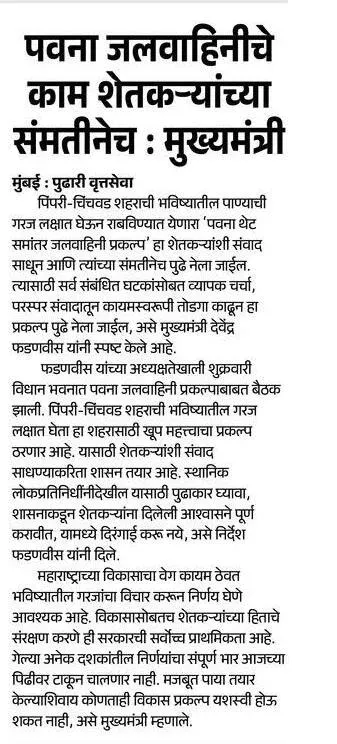
The Chief Minister's Office of Maharashtra on Saturday, 4 July 2026, shared a statement from Chief Minister Devendra Fadnavis affirming that work on the Pawana water pipeline project will proceed only with the consent of farmers whose land is involved.
The post, shared in Marathi, quotes CM Fadnavis directly: 'पवना जलवाहिनीचे काम शेतकऱ्यांच्या संमतीनेच' — translated as 'Work on the Pawana pipeline will be done only with the consent of farmers.' The statement signals the state government's intent to prioritise farmer agreement before advancing construction on the pipeline network.
Context
The Pawana pipeline project is a water conveyance scheme linked to Pawna Dam, a reservoir in Pune district, Maharashtra, constructed in 1975 to support irrigation and urban water supply in western Maharashtra. The project involves laying pipelines across agricultural land, making farmer consent a central procedural and political concern.
Land acquisition and right-of-way disputes have historically slowed infrastructure projects in Maharashtra's agricultural belt. CM Fadnavis's public assurance appears designed to address those concerns directly and build community trust ahead of construction activity.
Policy Backdrop
Maharashtra has pursued an expanding network of pipelines and canal infrastructure to improve water access across the state, particularly in drought-prone districts. These efforts have repeatedly run into friction over land consent, compensation, and the pace of acquisition — friction that has, in some cases, led to protests and project delays.
The state government's approach of conditioning project progress on farmer consent reflects a broader shift in how Maharashtra frames infrastructure rollouts, especially after earlier disputes drew political attention. CM Fadnavis, who has previously championed large irrigation and water-supply initiatives, is now publicly anchoring the Pawana project in a consent-first framework.
Stakeholders and Impact
The primary stakeholders are farmers whose land falls along the pipeline corridor in the Pune district region, as well as households and agricultural users who stand to benefit from improved water conveyance once the project is operational. For farmers, the assurance from the Chief Minister's Office carries weight as a formal commitment on record.
Urban and peri-urban consumers dependent on Pawna Dam water supply are also indirect stakeholders, since the pipeline is intended to improve distribution efficiency. Any delays caused by unresolved consent issues would affect both agricultural and domestic water availability downstream.
What's Next
The key milestones to watch are the formal consent process with affected farmers, any land acquisition notifications, and construction commencement timelines for the Pawana pipeline. The matter may also surface in the Maharashtra state assembly, where opposition members and farmer representatives could seek clarity on the consent mechanism and compensation terms.
The government's ability to secure broad farmer agreement without prolonged disputes will serve as an early test of the consent-first approach CM Fadnavis has now publicly committed to.
Point of View
The government creates a public record that both reassures farmers and raises the political cost of bypassing consent later. This fits a broader pattern in which Maharashtra's ruling dispensation has sought to frame large water-infrastructure projects as farmer-friendly rather than state-imposed. The real test will come when construction timelines press against the pace of consent-gathering on the ground.
NationPress
4 Jul 2026
Frequently Asked Questions
What is the Pawana pipeline project in Maharashtra?
The Pawana pipeline project is a water conveyance scheme that draws from Pawna Dam in Pune district to improve irrigation and water supply in western Maharashtra, requiring pipelines to be laid across agricultural land.
Why did CM Devendra Fadnavis emphasise farmer consent for the Pawana pipeline?
CM Fadnavis stated that work on the Pawana pipeline will proceed only with farmer consent, addressing concerns about land acquisition and signalling a consent-first approach to avoid disputes that have slowed similar projects in the past.
Where is Pawna Dam located?
Pawna Dam is located in Pune district, Maharashtra, and was constructed in 1975 to support irrigation and urban water needs in western Maharashtra.
Which farmers are affected by the Pawana pipeline project?
Farmers whose agricultural land falls along the pipeline corridor in the Pune district region are the primary affected stakeholders, as the project requires right-of-way across their holdings.
What happens if farmer consent is not obtained for the Pawana pipeline?
Based on CM Fadnavis's statement, work on the pipeline will not proceed without farmer consent, meaning delays in securing agreement could push back construction timelines and affect water availability for downstream users.