CM Fadnavis Pledges Tribal Cluster Development Push
Synopsis
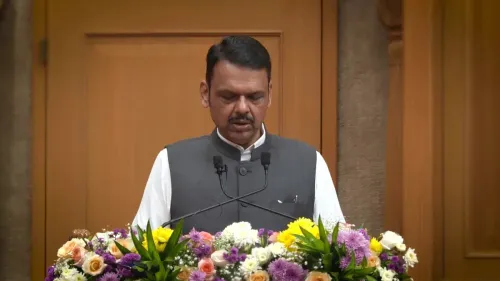
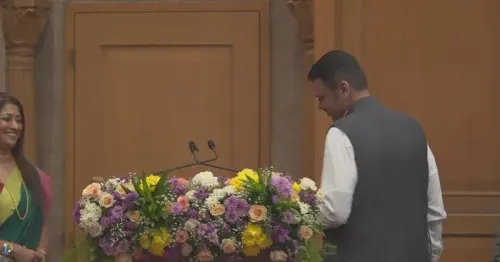
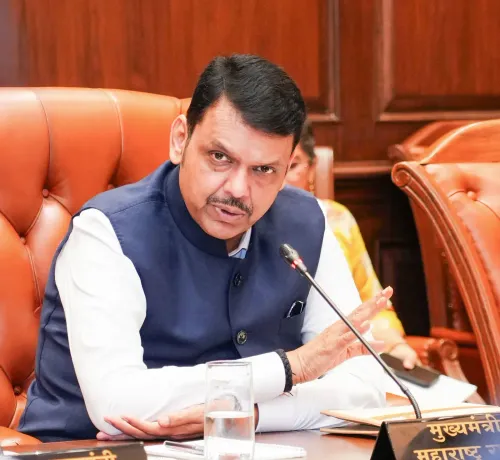
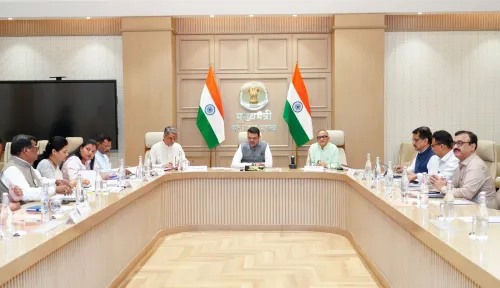
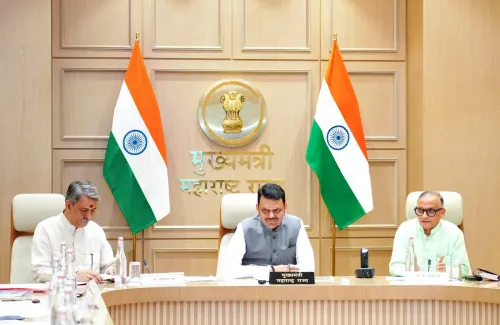
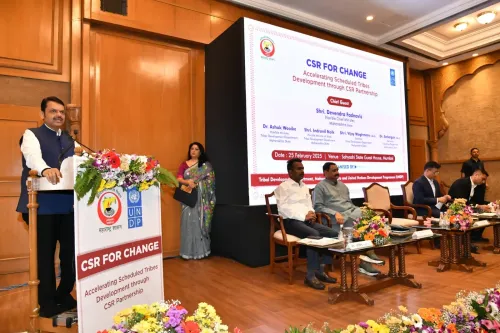
At the 'Janjatiya Sankul Vikas Pariyojana, Maharashtra' event in Mumbai on 1 October 2026, CM Devendra Fadnavis pledged firm government action to extend the Tribal Cluster Development Project's benefits to tribal areas and bring positive transformation to those communities.
Key Takeaways
CM Devendra Fadnavis made the pledge at the 'Janjatiya Sankul Vikas Pariyojana, Maharashtra' programme in Mumbai on 1 October 2026 .
He stated the Maharashtra government will work 'firmly' ( bhakkampane / majbooti se ) to reach tribal areas with the project's benefits.
The goal is 'positive transformation' ( skaratmak parivartan ) in tribal regions — framed as a community-outcome target, not just infrastructure delivery.
The Janjatiya Sankul Vikas Pariyojana uses a cluster model to concentrate services in contiguous tribal habitations.
Maharashtra's tribal population is concentrated in districts including Gadchiroli, Nandurbar, Palghar, Nashik, and Yavatmal .
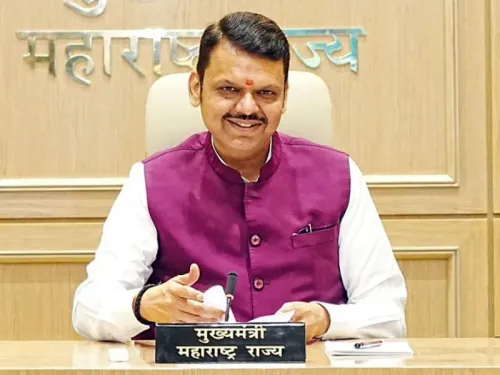
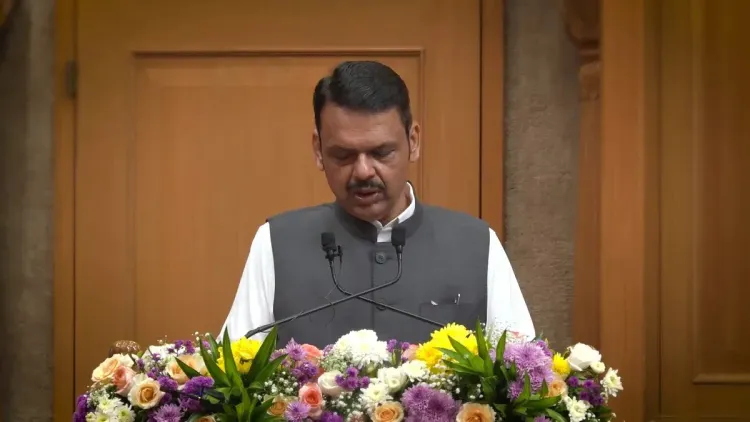
Positive transformation in Maharashtra's tribal regions is not a distant promise — it is a stated government mission. At the 'Janjatiya Sankul Vikas Pariyojana, Maharashtra' programme held in Mumbai on 1 October 2026, Maharashtra Chief Minister Devendra Fadnavis declared that the state government will work with full resolve to carry the benefits of the Tribal Cluster Development Project directly to tribal areas.
Speaking at the event, CM Fadnavis said in Marathi and Hindi: 'जनजातीय संकुल विकास परियोजनेचा लाभ जनजातीय क्षेत्रांपर्यंत पोहोचवून त्यांच्यात सकारात्मक परिवर्तन घडवण्यासाठी महाराष्ट्र सरकार भक्कमपणे कार्य करेल.' ('The Maharashtra government will work firmly to bring the benefits of the Tribal Cluster Development Project to tribal areas and bring about positive change among them.')
What the Janjatiya Sankul Vikas Pariyojana aims to do
The Janjatiya Sankul Vikas Pariyojana is a cluster-based development initiative designed to concentrate government resources and services in geographically contiguous tribal habitations. The 'cluster' or sankul model brings infrastructure, health, education, and livelihood programmes to groups of tribal villages together — rather than addressing each hamlet in isolation — making delivery faster and more measurable.
Maharashtra is home to one of India's largest tribal populations, spread across districts such as Gadchiroli, Nandurbar, Palghar, Nashik, and Yavatmal. These communities have historically faced gaps in basic services despite constitutional protections under the Fifth Schedule and dedicated funding through the Tribal Sub-Plan mechanism.
A public commitment at a dedicated platform
The choice of a dedicated state-level programme as the venue for this pledge carries weight. By anchoring the announcement to a formal event rather than a routine press interaction, the government signals institutional intent — that this is a scheme with a dedicated implementation framework, not merely an aspiration. Fadnavis's remarks in both Marathi and Hindi also reflect an outreach to tribal communities across the state's linguistic divide.
The emphasis on skaratmak parivartan — 'positive transformation' — as the benchmark, rather than just physical infrastructure delivery, suggests the state is framing success around measurable community outcomes. Whether that ambition translates into auditable targets will be the test that tribal rights groups and district administrations alike will watch closely.
Maharashtra's tribal belt has long been a political and developmental priority — and now, the Chief Minister has put his word, on record, to the date.
Point of View
Where tribal districts span both the politically volatile Vidarbha and Nandurbar belt, this is as much an electoral geography play as a welfare commitment. The cluster model is analytically sound — it concentrates delivery rather than dispersing it — but its success will hinge on district-level execution quality and whether outcome metrics are made public. The real test of this pledge will come when tribal rights groups begin asking for auditable data.
NationPress
1 Oct 2026
Frequently Asked Questions
What is the Janjatiya Sankul Vikas Pariyojana in Maharashtra?
It is a cluster-based tribal development project that groups geographically contiguous tribal villages to deliver infrastructure, health, education, and livelihood services together, making government outreach faster and more measurable.
What did CM Devendra Fadnavis announce for tribal areas on 1 October 2026?
At the 'Janjatiya Sankul Vikas Pariyojana, Maharashtra' event in Mumbai, Fadnavis pledged that the Maharashtra government will work firmly to bring the project's benefits to tribal areas and achieve positive transformation in those communities.
Which districts in Maharashtra have significant tribal populations?
Maharashtra's tribal population is largely concentrated in Gadchiroli, Nandurbar, Palghar, Nashik, and Yavatmal districts, which are key focus areas for tribal welfare schemes.
What is the tribal cluster development model?
The cluster or 'sankul' model consolidates government resources for groups of tribal villages together rather than addressing each hamlet separately, improving the speed and efficiency of service delivery.
What constitutional protections cover tribal areas in Maharashtra?
Tribal areas in Maharashtra fall under the Fifth Schedule of the Indian Constitution, which provides special governance protections, and are also covered by the Tribal Sub-Plan funding mechanism for dedicated welfare expenditure.