CM Fadnavis Reviews Maharashtra Disaster Control Room on Alert
Synopsis
Chief Minister Devendra Fadnavis and Minister Girish Mahajan visited the Maharashtra State Disaster Management Control Room on 6 July 2026, placing it on alert mode amid heavy rainfall. The CM confirmed full state machinery readiness and appealed to citizens across Maharashtra to remain vigilant as monsoon conditions intensify.
Key Takeaways
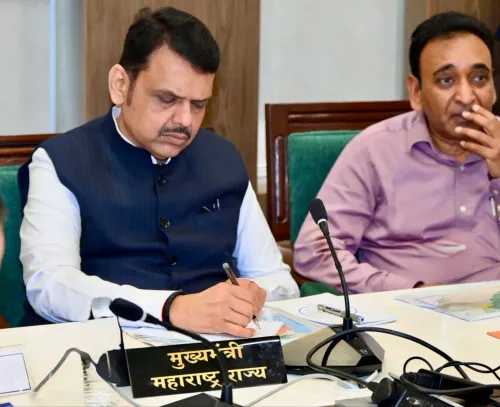
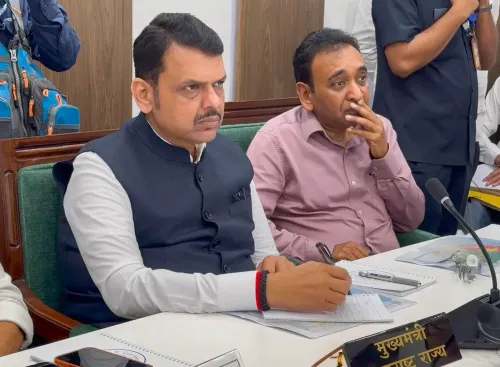
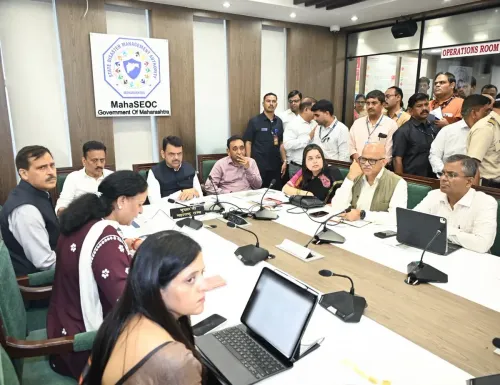
CM Devendra Fadnavis and Minister Girish Mahajan personally visited the State Disaster Management Control Room on 6 July 2026 .
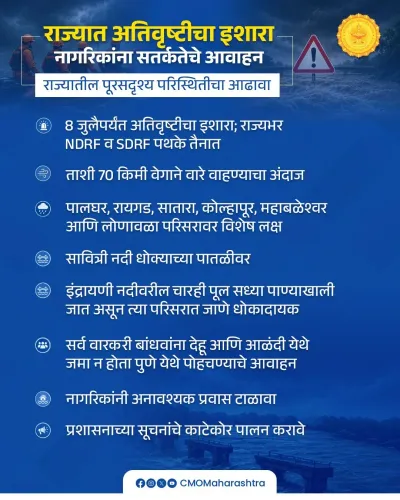
The control room has been placed on alert mode in response to heavy rainfall and changing natural conditions across Maharashtra .
The CM confirmed that the full state government machinery is on standby and ready to respond.
Citizens across Maharashtra have been urged to exercise caution and remain alert.
The visit follows a long-standing protocol under the Disaster Management Act, 2005 , which mandates state-level real-time monitoring infrastructure.
District-level advisories and updated rainfall and reservoir data from the state revenue department are expected in the coming days.
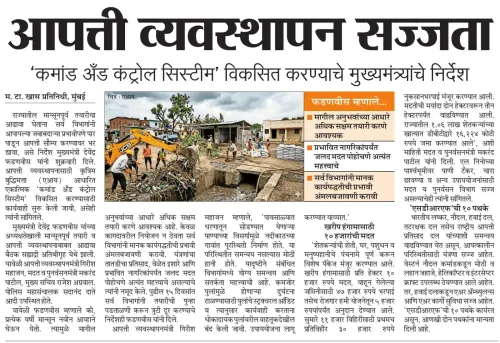
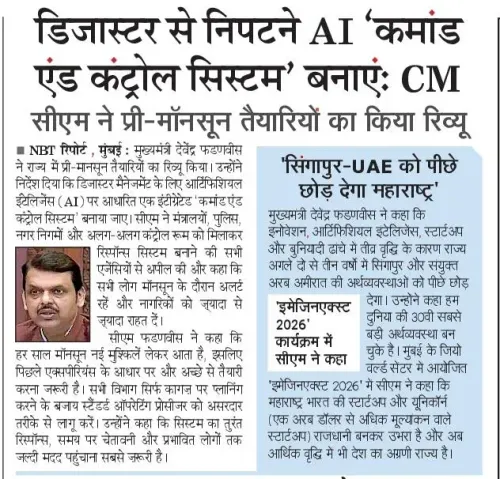
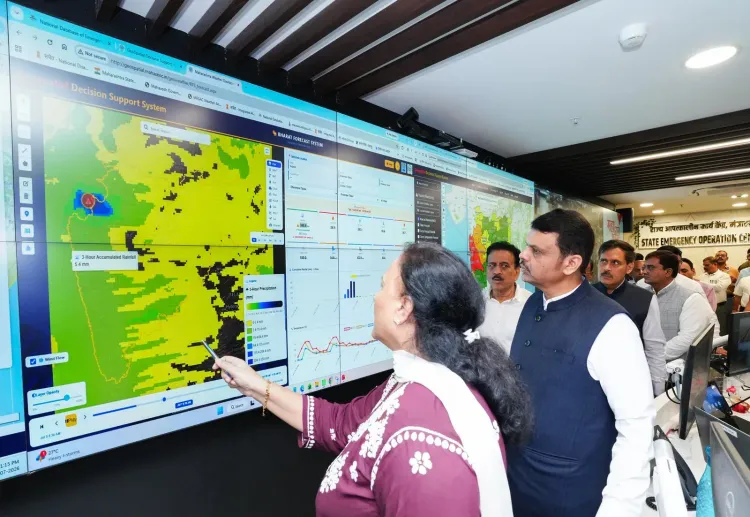
The Chief Minister's Office of Maharashtra announced on Monday, 6 July 2026, that Chief Minister Devendra Fadnavis and Minister Girish Mahajan visited the State Disaster Management Control Room to review the situation arising from heavy rainfall and changing natural conditions across the state. The CM urged citizens to remain vigilant, stating that the full state machinery is on standby.
Context
The post, written in Marathi, states: 'राज्य आपत्ती व्यवस्थापन कक्ष अलर्ट मोडवर' — 'State Disaster Management Control Room on alert mode.' CM Fadnavis and Minister Mahajan conducted an on-site review of the control room, assessing the intensity of rainfall and evolving natural conditions across Maharashtra. The official communication confirmed that the state government's entire machinery is prepared and operational.
The CM's appeal to citizens for alertness signals that conditions in parts of the state are being monitored closely, with the control room placed in active alert mode ahead of or during a period of heavy monsoon activity.
Policy Backdrop
The State Disaster Management Control Room operates under the framework of the Disaster Management Act, 2005, which mandated the creation of state-level disaster authorities and real-time monitoring infrastructure. Maharashtra, with its extensive coastline, river basins, and ghat regions, is among the states most frequently affected by monsoon flooding and extreme rainfall events.
Successive state governments have institutionalised pre-monsoon reviews and round-the-clock monitoring through dedicated control rooms, making such high-level visits a standard but significant part of the state's disaster preparedness protocol. The Maharashtra State Disaster Management Authority (MSDMA) coordinates these efforts, channelling information from district collectors and field units to the state capital.
Stakeholders and Impact
The most directly affected stakeholders are residents of flood-prone districts — particularly those in the Konkan coast, Vidarbha, and Western Ghats belt — who face recurring risks from cloudbursts, river overflow, and landslides during the monsoon season. The state machinery's alert status has direct implications for the deployment of NDRF and SDRF teams, pre-positioning of relief material, and issuance of district-level advisories.
Minister Girish Mahajan, who has oversight responsibilities linked to water resources and disaster-related functions, accompanying the Chief Minister signals a coordinated, multi-ministerial approach to the review. Farmers, coastal communities, and urban residents in low-lying areas are among those who stand to benefit from early-warning and rapid-response preparedness.
What's Next
Authorities are expected to release updated rainfall and reservoir data through the state revenue department, which typically publishes district-wise figures during active monsoon periods. District collectors may issue localised advisories or relief announcements depending on ground conditions in the coming days.
The state's alert posture also sets the stage for potential deployment of additional rescue and relief teams should conditions deteriorate. Citizens have been specifically asked to stay alert — a call that typically precedes formal warnings in high-risk zones across Maharashtra.
Point of View
A politically sensitive issue in a state with a long history of flood-related criticism directed at governments. Placing the control room visibly 'on alert mode' ahead of potential crises allows the administration to frame its response as proactive rather than reactive. This fits a broader pattern among state governments of using high-visibility preparedness actions to build public confidence during the monsoon season. The appeal for citizen vigilance, however, also subtly shifts some responsibility to the public, a common communication strategy during uncertain weather events.
NationPress
6 Jul 2026
Frequently Asked Questions
Why did CM Fadnavis visit the Maharashtra disaster control room on 6 July 2026?
CM Devendra Fadnavis visited the State Disaster Management Control Room to review the situation arising from heavy rainfall and changing natural conditions across Maharashtra, confirming that the state machinery is on full alert.
What is the Maharashtra State Disaster Management Control Room?
It is a state-level monitoring and coordination centre established under the Disaster Management Act, 2005, which tracks natural calamities, coordinates relief deployment, and links district-level field units with the state government.
Is Maharashtra on flood alert in July 2026?
The Chief Minister's Office confirmed the control room has been placed on alert mode due to heavy rainfall and evolving natural conditions, with the full state government machinery stated to be on standby.
What should Maharashtra residents do during the monsoon alert?
CM Fadnavis has specifically appealed to citizens to remain vigilant and exercise caution. Residents in flood-prone areas should monitor district-level advisories issued by local authorities.
What role does Girish Mahajan play in Maharashtra's disaster management?
Girish Mahajan is a senior Maharashtra cabinet minister with oversight responsibilities linked to water resources and disaster-related functions, and he accompanied the Chief Minister during the control room review on 6 July 2026.