CM Hemant Soren chairs high-level agri review in Jharkhand

Synopsis
Chief Minister Hemant Soren chaired a high-level review of AgriJharkhand on 17 July 2026, declaring agriculture and animal husbandry the backbone of the rural economy and pledging to ensure government schemes reach every citizen in the state.
Key Takeaways
CM Hemant Soren chaired a high-level review of AgriJharkhand on 17 July 2026 .
Soren described agriculture and animal husbandry as 'the backbone of the rural economy.' Last-mile delivery of government schemes to every citizen was stated as the administration's primary goal.
Over 70 per cent of Jharkhand's workforce is dependent on farming and allied sectors.
The review is part of ongoing departmental accountability exercises covering both central schemes like PM-KISAN and state-level programmes.
Quarterly progress reports on scheme saturation and possible new district-level monitoring committees are expected to follow.
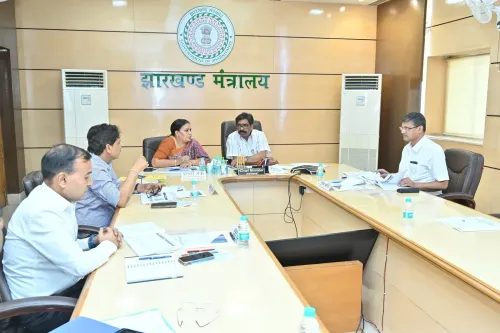
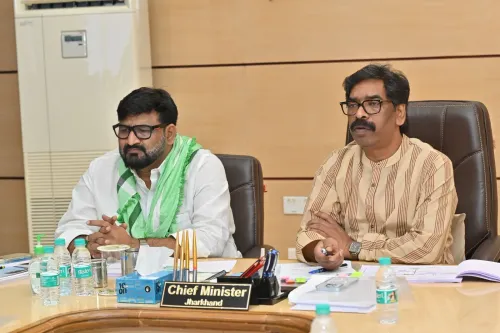
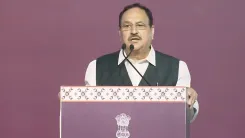
Ranchi, 17 July 2026 — The Chief Minister's Office of Jharkhand announced on Friday that Chief Minister Hemant Soren chaired a high-level review of the state agriculture department, AgriJharkhand, reaffirming that farming and animal husbandry are the backbone of the rural economy and that last-mile delivery of government schemes to every citizen remains the administration's central goal.
The CMO post, in Hindi, quoted Soren as saying: 'खेती-कृषि एवं पशुपालन ग्रामीण अर्थव्यवस्था की रीढ़, सरकार की योजनाओं को जन-जन तक पहुंचाना लक्ष्य' — ('Agriculture and animal husbandry are the backbone of the rural economy; the goal is to take government schemes to every person.')
Context
Jharkhand is one of India's most agrarian states, with over 70 per cent of its workforce dependent on farming and allied activities. The state's tribal-majority districts rely heavily on subsistence agriculture and livestock rearing for household income. High-level reviews of the agriculture department signal the administration's intent to track implementation rather than merely announce schemes.
Policy Backdrop
The state has previously operated under the Jharkhand Agriculture Roadmap, which set productivity targets and extension-service goals for smallholders. The current government under Soren, who returned to power in 2019 and has continued to lead the state, has layered state horticulture missions and animal husbandry programmes on top of central initiatives such as PM-KISAN. The July 2026 review appears to be part of a regular cadence of departmental accountability exercises aimed at measuring scheme saturation at the ground level.
AgriJharkhand, the nodal department for farming, horticulture and animal husbandry, is the primary vehicle through which both central and state resources are channelled to rural beneficiaries. Ensuring that subsidies, inputs and extension advice reach small and marginal farmers — rather than stalling at the district or block level — has been a persistent challenge across successive administrations.
Stakeholders and Impact
The primary beneficiaries of any outcome from this review are Jharkhand's small farmers and livestock rearers, who form the bulk of the rural poor. Animal husbandry, including cattle and poultry rearing, provides supplementary income for tribal households and acts as a buffer against crop failure. Improved last-mile delivery of veterinary services, breed improvement programmes and crop insurance would have direct welfare implications for these communities.
District-level officials and block-level extension workers are the implementation layer that such high-level reviews typically seek to energise. Any new monitoring committees or performance metrics announced following the review would determine how quickly policy intent translates into on-ground outcomes.
What's Next
Quarterly progress reports on scheme saturation across Jharkhand's districts are expected to follow the review. Observers will watch for the announcement of district-level monitoring committees, revised targets for beneficiary coverage under key schemes, and any special push for animal husbandry infrastructure in remote blocks. The review's outcomes will also feed into the state's broader rural economy narrative ahead of future budget cycles.
Point of View
' the Chief Minister is setting a measurable benchmark that will invite scrutiny from opposition parties and civil society alike. The emphasis on animal husbandry alongside crop farming also reflects a broader national trend of treating livestock as a poverty-alleviation tool, not merely an agricultural input. Whether the review produces structural changes in extension delivery or remains a performative exercise will become clearer in the quarterly reports that follow.
NationPress
17 Jul 2026
Frequently Asked Questions
What did CM Hemant Soren say at the AgriJharkhand review?
CM Hemant Soren stated that agriculture and animal husbandry are the backbone of the rural economy and that the government's goal is to ensure its schemes reach every citizen in Jharkhand.
What is AgriJharkhand?
AgriJharkhand is the Jharkhand state agriculture department responsible for farming, horticulture and animal husbandry programmes, and serves as the nodal body for channelling central and state scheme benefits to rural beneficiaries.
Why is agriculture important to Jharkhand's economy?
Over 70 per cent of Jharkhand's workforce depends on farming and allied activities, making agriculture and livestock rearing the primary source of livelihood, especially for tribal communities in the state's rural districts.
What schemes are being reviewed for last-mile delivery in Jharkhand?
The review covers both central government schemes such as PM-KISAN and state-level programmes including horticulture missions and animal husbandry initiatives managed through AgriJharkhand.
What will happen after the Jharkhand agriculture department review?
Quarterly progress reports on scheme saturation are expected, along with possible announcements of district-level monitoring committees to track on-ground implementation of agriculture and animal husbandry programmes.