CM Hemant Soren Reviews Road Construction Dept Works
Synopsis
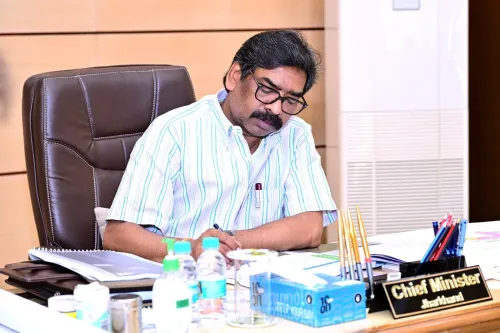
Chief Minister Hemant Soren on 15 July 2026 held a high-level review of Jharkhand's Road Construction Department, issuing directives to officials aimed at delivering world-class roads and stronger connectivity across the mineral-rich eastern state.
Key Takeaways
Chief Minister Hemant Soren chaired a high-level review of the Road Construction Department on 15 July 2026 .
The review focused on achieving 'world-class roads and strong connectivity' across Jharkhand .
Key directives were issued to departmental officials to accelerate ongoing works.
Jharkhand has aligned state road projects with central schemes including PMGSY , Bharatmala , and PM Gati Shakti .
Stakeholders include rural residents, tribal communities, and the mining and transport sectors.
Tender awards and progress reports are expected to follow as outcomes of the review.
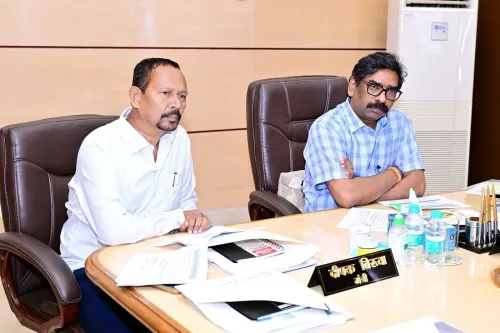
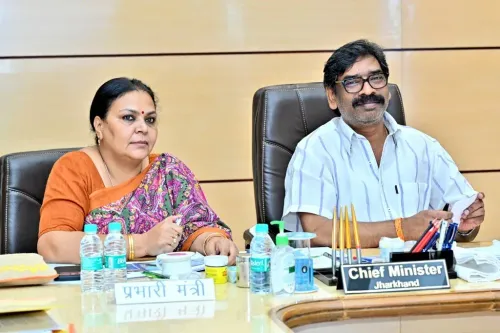
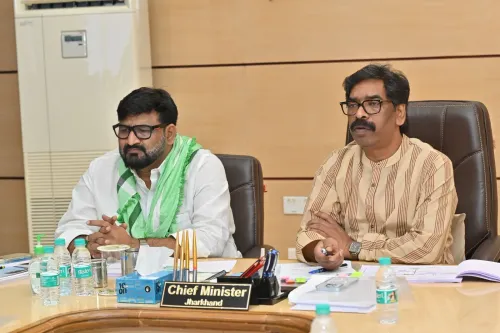
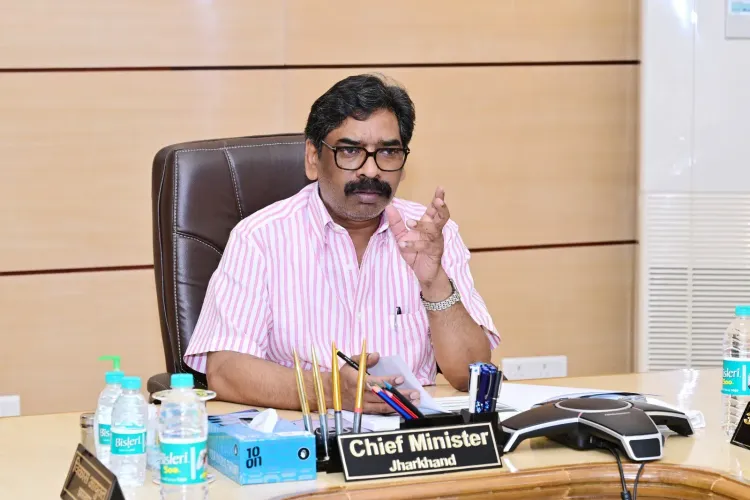
The Chief Minister's Office of Jharkhand announced on Wednesday, 15 July 2026 that Chief Minister Hemant Soren conducted a high-level review of the Road Construction Department, issuing key directives to officials with a focus on world-class roads and stronger connectivity across the state.
The official post stated: 'विश्वस्तरीय सड़कें और मजबूत कनेक्टिविटी' ('World-class roads and strong connectivity'), signalling that the review was driven by an ambition to elevate Jharkhand's road infrastructure to national and global standards. The Chief Minister directed officials to ensure necessary actions are taken to accelerate departmental work.
Context
Jharkhand, an eastern Indian state rich in mineral resources and home to a large tribal population, has historically faced challenges in road connectivity — particularly in interior, hilly, and formerly Naxal-affected districts. Improving road infrastructure is considered critical to unlocking the state's economic potential and ensuring last-mile access for rural residents.
High-level reviews of road departments are a recurring administrative mechanism used by state governments across India to push project execution, resolve bottlenecks, and enforce accountability among departmental officials.
Policy Backdrop
Jharkhand has aligned its road infrastructure efforts with central government schemes, including the Pradhan Mantri Gram Sadak Yojana (PMGSY) and the Bharatmala corridor programme, which together aim to improve rural and national highway connectivity. The state has also participated in the PM Gati Shakti initiative, launched in 2021, which seeks to integrate road projects with multimodal logistics planning for more efficient infrastructure delivery.
These central linkages allow Jharkhand to access additional funds and technical support, making high-level reviews particularly important to ensure that project timelines and fund utilisation targets are met.
Stakeholders and Impact
The primary beneficiaries of improved road connectivity in Jharkhand are rural residents who depend on accessible roads for healthcare, education, and market linkages. The mining and transport sectors — central to the state's economy — also stand to gain significantly from better road networks that reduce logistics costs and improve supply chains.
For tribal communities in interior regions, road access can be transformative, connecting isolated villages to district headquarters and enabling participation in government welfare schemes. Officials of the Road Construction Department are now expected to act on the directives issued during the review.
What's Next
Following such high-level reviews, state governments typically move toward tender awards, revised project timelines, and enhanced monitoring frameworks. Progress on the directives issued by CM Hemant Soren is likely to be reflected in upcoming physical progress reports and fund utilisation statements, which may be presented during state budget discussions or assembly sessions.
The emphasis on 'world-class roads' suggests the government may look to benchmark projects against national highway standards, potentially attracting greater central and private investment into Jharkhand's infrastructure sector in the months ahead.
Point of View
Road connectivity carries outsized political weight — it directly affects tribal and rural constituencies that form the core of the JMM's support base. By invoking 'world-class' standards, the government is also signalling alignment with central infrastructure ambitions, which could ease access to funds under Bharatmala and PM Gati Shakti. The real test will be in measurable project delivery rather than the review itself.
NationPress
15 Jul 2026
Frequently Asked Questions
Why did CM Hemant Soren review the Road Construction Department?
CM Hemant Soren reviewed the Road Construction Department on 15 July 2026 to assess the progress of road works and issue directives aimed at improving road quality and connectivity across Jharkhand.
What is Jharkhand's Road Construction Department responsible for?
The Road Construction Department of Jharkhand is the state agency responsible for planning, building, and maintaining roads, bridges, and related infrastructure throughout the state.
How does Jharkhand fund its road infrastructure projects?
Jharkhand funds road projects through state budgets as well as central government schemes such as PMGSY, Bharatmala, and PM Gati Shakti, which provide financial and technical support for connectivity improvements.
Who benefits from better roads in Jharkhand?
Rural residents, tribal communities in interior regions, and the mining and transport sectors are the primary beneficiaries of improved road connectivity in Jharkhand.
What can we expect after Hemant Soren's road department review?
Following the review, outcomes are likely to include tender awards, revised project timelines, and progress reports that may be presented during state budget discussions or assembly sessions.