CM Himanta Directs Assam Flood Relief: Shelter, Water, Food, Healthcare
Synopsis
Assam Chief Minister Himanta Biswa Sarma on 23 July 2026 identified safe shelter, drinking water and food, and timely healthcare as the three immediate priorities of his administration's flood relief operations, pledging delivery through every available means.
Key Takeaways
CM Himanta Biswa Sarma publicly outlined three flood-relief priorities on 23 July 2026 : safe shelter, drinking water and food, and timely healthcare.
The administration stated it is deploying relief 'through every possible means,' indicating a multi-channel logistics approach.
Assam faces recurring annual monsoon flooding from the Brahmaputra river system, displacing large populations each year.
The three-priority framework mirrors established state disaster management protocol and signals an organised, structured response.
Longer-term attention is expected on central assistance packages and structural flood-management measures in the Brahmaputra basin.
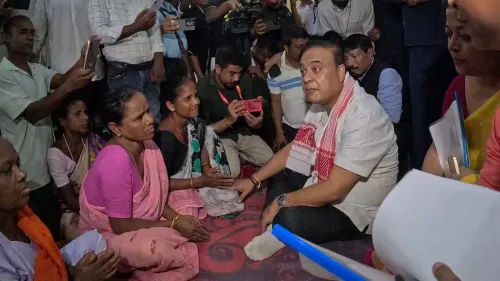
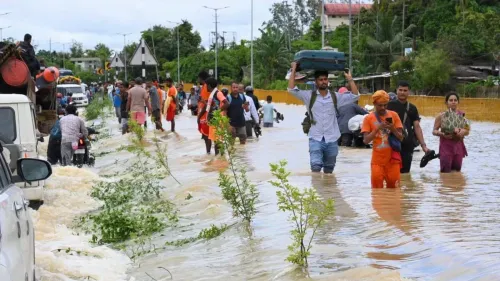
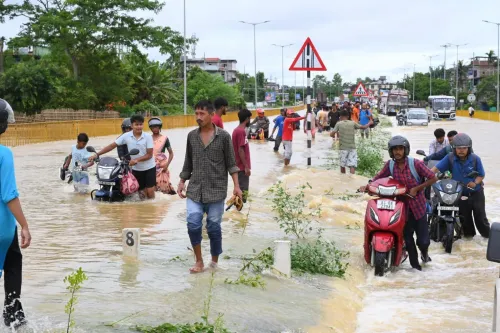
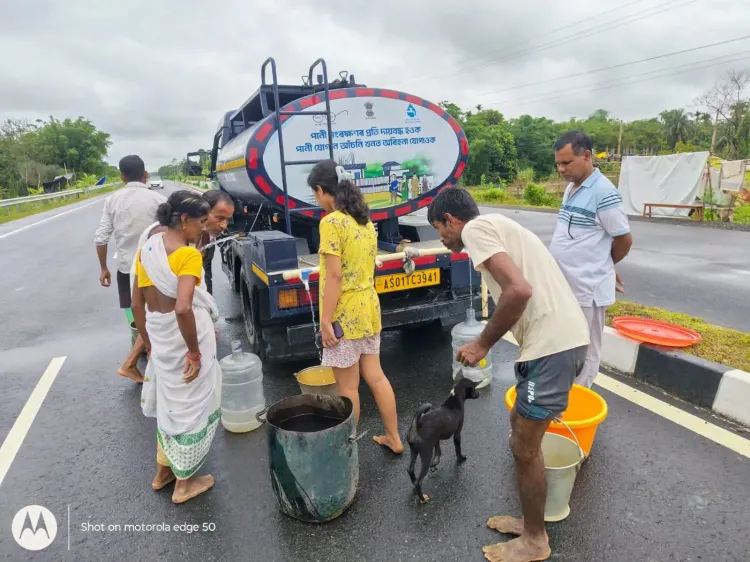
Assam Chief Minister Himanta Biswa Sarma on Thursday, 23 July 2026, outlined three immediate priorities his administration is pursuing for flood-affected residents across the state — safe shelter, drinking water and food, and timely healthcare — and said relief is being delivered through every possible means.
Context
Assam endures some of the most severe annual monsoon flooding in India, with the Brahmaputra river and its tributaries regularly inundating large swathes of the state and displacing hundreds of thousands of people. Each monsoon season triggers a familiar cycle of emergency response: the state administration mobilises relief camps, distributes essentials, and deploys medical teams to cut off areas. CM Sarma's post signals that the 2026 monsoon season has once again placed the state machinery on an emergency footing.
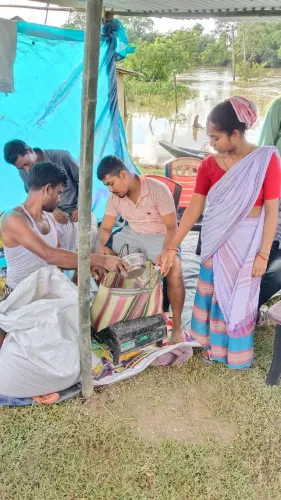
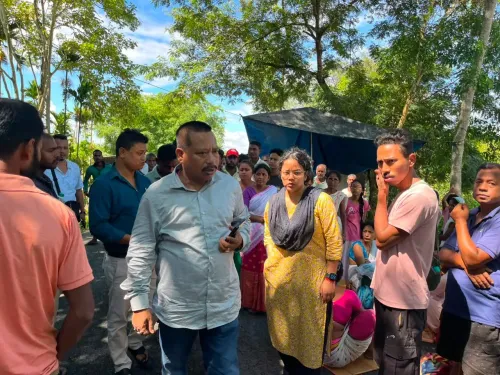
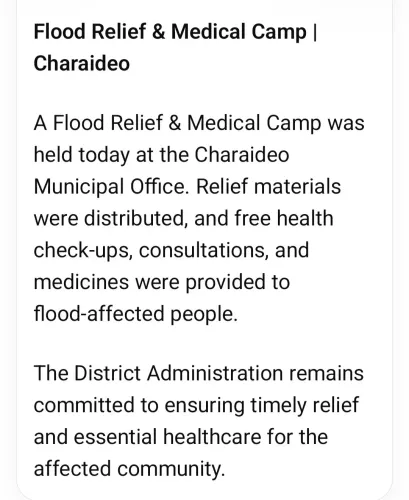
The Chief Minister stated directly: 'Our Administration is working on three immediate priorities on the ground — a safe shelter, drinking water and food, and timely healthcare — and we are reaching out with these through every possible means.' The emphasis on 'every possible means' suggests a multi-channel deployment, including road, waterway, and air logistics where ground access is disrupted.
Policy Backdrop
Assam governments have historically anchored flood relief around the same triad of shelter, food and water, and healthcare. State-run relief camps along the Brahmaputra basin have been a fixture of monsoon governance for decades, with the administration coordinating across district administrations, the State Disaster Response Force (SDRF), and central agencies. The consistency of these priorities across administrations reflects both the scale of the annual crisis and the institutional muscle memory built over years of repeated response.
Under CM Sarma, the state has sought to professionalise disaster response, including pre-positioning of relief material and faster activation of camp infrastructure before peak flood levels are reached. The framing of 'three immediate priorities' in the post mirrors standard disaster management protocol and signals an organised, structured response rather than an ad hoc one.
Stakeholders and Impact
The primary beneficiaries are flood-affected residents in low-lying districts along the Brahmaputra and its tributaries — communities that often lose homes, livestock, and crops within days of river levels rising. Access to clean drinking water is particularly critical, as floodwaters contaminate local sources and raise the risk of waterborne disease outbreaks. Timely healthcare addresses both injuries from the flooding itself and the secondary disease burden that follows.
Beyond immediate victims, the post signals to district administrations, field officers, and relief volunteers the state leadership's expectations and priorities, helping align ground-level operations. It also communicates to the broader public that the government is actively engaged — a dimension of disaster response that carries its own governance weight.
What's Next
Attention will now turn to the pace and reach of relief camp operations, the adequacy of drinking water supply in cut-off areas, and whether the state seeks or receives additional central assistance packages for flood management. The Assam assembly may also see renewed calls for longer-term legislative or budgetary measures to address the structural vulnerability of the Brahmaputra basin. CM Sarma's administration will be assessed on how swiftly and equitably relief reaches the most isolated communities.
Point of View
Verifiable checklist of priorities. By naming shelter, water, food and healthcare explicitly, the administration sets a public benchmark against which its own performance will be measured, a calculated move that raises accountability stakes. The framing also fits a broader pattern under Sarma's tenure of projecting administrative efficiency and proactive governance in the Northeast. Whether the on-ground delivery matches the messaging will determine the political dividend — or cost — of this public commitment.
NationPress
23 Jul 2026
Frequently Asked Questions
What are Assam's flood relief priorities in July 2026?
Assam CM Himanta Biswa Sarma announced three immediate priorities on 23 July 2026: safe shelter, drinking water and food, and timely healthcare for flood-affected residents.
Which river causes flooding in Assam every year?
The Brahmaputra river and its tributaries are the primary cause of annual monsoon flooding in Assam, regularly displacing large populations across the state.
What is the SDRF and how does it help in Assam floods?
The State Disaster Response Force (SDRF) is a state-level emergency unit that assists in rescue, evacuation and relief operations during floods and other disasters in Assam.
Has the central government provided flood relief to Assam?
Assam has historically received central assistance packages for flood management; whether additional central aid has been sought or sanctioned for the July 2026 floods has not been confirmed at the time of this report.
How often does Assam face severe flooding?
Assam experiences severe monsoon flooding almost every year, making it one of the most flood-prone states in India due to the Brahmaputra basin's geography and high rainfall.