CM Himanta Eyes AI, Semiconductor Future for Assam
Synopsis
Assam CM Himanta Biswa Sarma has called for building a homegrown AI and semiconductor ecosystem in the state, urging Assam to manufacture advanced machinery rather than import it — aligning the Northeast with India's Atmanirbhar Bharat technology ambitions.
Key Takeaways
Himanta Biswa Sarma on September 25, 2026 publicly articulated a deep-tech vision for Assam centred on AI and semiconductors .
He called for Assam to manufacture advanced machinery domestically rather than importing it.
The push aligns with India's National Semiconductor Mission (approved 2021), which provides incentives for chip fabrication and design.
Assam's ambition would extend India's semiconductor geography beyond its current southern and western clusters.
Central programmes including Act East Policy and industrial corridor investments provide existing infrastructure groundwork for the push.
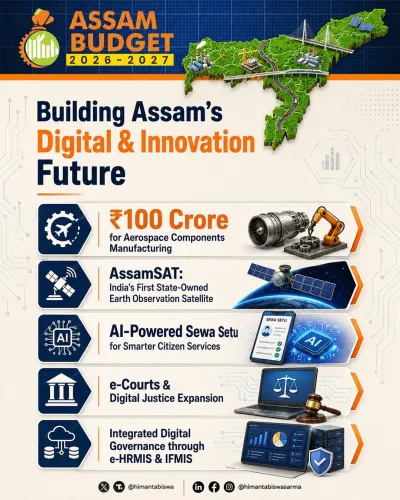
Concrete follow-through — state budget allocations and MoUs with tech firms — will be key indicators of how the vision translates into policy.
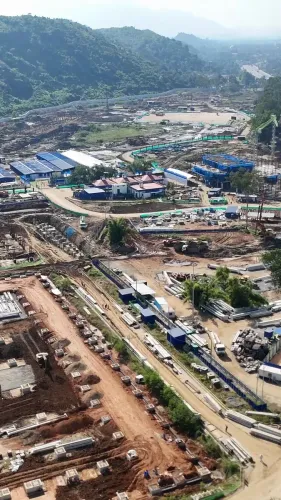
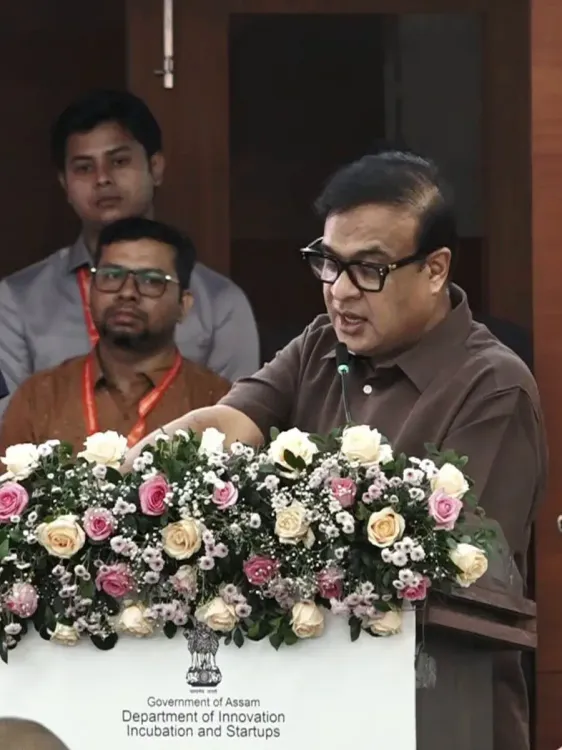
Assam does not want to keep importing the machines of tomorrow — it wants to build them. Assam Chief Minister Himanta Biswa Sarma on Friday, September 25, 2026, laid out an ambitious technology vision for the state, declaring that Assam's future must be anchored in advanced and deep tech sectors including artificial intelligence and semiconductors, with a clear push for domestic manufacturing over import dependence.
The vision: from import-dependent to deep-tech producer
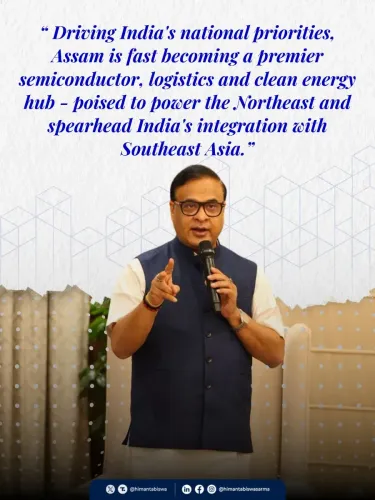
Sarma's statement was pointed and directional: 'The Assam of the future will have an ecosystem in advanced and deep tech like AI, semiconductors among others. We should aim to make advanced machinery right here in Assam rather than importing it.' The framing is deliberate — this is not a call for a software park or a call centre hub, but for the harder, capital-intensive tier of technology: chip design, fabrication-adjacent industries, and AI infrastructure.
For a northeastern state historically associated with tea, oil, and agriculture, the pivot is significant. Assam has been actively working to diversify its economic base since Sarma took office in 2021, attracting investment and building industrial corridors. A deep-tech push would represent the sharpest edge of that ambition yet.
Where Assam's push fits India's semiconductor map
The timing connects to a larger national current. India's National Semiconductor Mission, approved in 2021, created a framework of incentives for chip fabrication and design specifically to reduce the country's crushing import dependence in electronics. So far, the semiconductor story in India has been centred on Gujarat and other western and southern clusters. Sarma's statement signals that the Northeast intends to stake a claim on that map.
That ambition has some structural backing. Under the Act East Policy and targeted central infrastructure programmes, northeastern states have received increased investment for connectivity and industrial development — laying groundwork that a deep-tech ecosystem would require. The question is how quickly state-level commitments, budget allocations, and potential MoUs with semiconductor or AI firms follow the vision.
Atmanirbhar Bharat lands in Guwahati
At its core, Sarma's call echoes the Atmanirbhar Bharat doctrine — self-reliance in strategic sectors — but grounds it in a specific regional bet. Rather than Assam remaining a consumer of advanced machinery manufactured elsewhere, Sarma wants the state to be in the production chain. That is a harder road: it demands skilled talent pipelines, land and power infrastructure, and sustained policy continuity. But the political intent is now clearly on record.
Watch for follow-through in state budget sessions and any alignment with central Production Linked Incentive (PLI) scheme expansions that could funnel investment into northeastern manufacturing corridors. A vision without capital flows remains a vision.
Point of View
He is positioning Assam within India's most strategically charged technology debate, one that sits at the intersection of Atmanirbhar Bharat, geopolitical supply-chain anxiety, and the global chip race. The Northeast has long been peripheral to India's industrial story; a credible deep-tech pitch could reframe that narrative, but only if followed by tangible capital commitments and talent infrastructure. The political calculus is also clear: technology ambition is increasingly a badge of governance competence for state leaders across party lines.
NationPress
25 Sept 2026
Frequently Asked Questions
What did Assam CM Himanta Biswa Sarma say about AI and semiconductors?
On September 25, 2026, Sarma stated that Assam's future must include an ecosystem in advanced and deep tech sectors like AI and semiconductors, and that the state should aim to manufacture advanced machinery locally rather than importing it.
Does Assam have any existing semiconductor or AI industry?
As of the available record, Assam does not have a major semiconductor fabrication or AI hardware industry. Sarma's statement represents an aspirational direction rather than a description of an existing ecosystem.
What is India's National Semiconductor Mission?
India's National Semiconductor Mission, approved in 2021, is a central government scheme that provides financial incentives for semiconductor chip fabrication, packaging, and design in India to reduce dependence on imports.
How does Assam's tech vision connect to Atmanirbhar Bharat?
Atmanirbhar Bharat promotes self-reliance in strategic sectors including electronics and advanced manufacturing. Sarma's call for Assam to build and not import advanced machinery directly mirrors that doctrine at the state level.
What should we watch for next on Assam's deep-tech push?
Key indicators will include Assam state budget allocations for technology infrastructure, any MoUs signed with semiconductor or AI companies, and whether central PLI scheme expansions are channelled toward northeastern manufacturing corridors.