CM Pema Khandu at NITI Aayog's First NE States Interaction
Synopsis
Arunachal Pradesh Chief Minister Pema Khandu joined Chief Ministers and Chief Secretaries of all eight North Eastern states at what NITI Aayog described as its first dedicated interaction with the region. Vice Chairman Dr. Ashok Kumar Lahiri chaired the meeting, which centred on aligning the North East's strategic assets with India's Viksit Bharat vision for 2047.
Key Takeaways
Pema Khandu attended a NITI Aayog interaction programme on June 12, 2026 alongside Chief Ministers and Chief Secretaries of all eight North Eastern states .
The meeting was chaired by NITI Aayog Vice Chairman Dr.
Ashok Kumar Lahiri and was described as the first dedicated NITI Aayog interaction with the North East.
NITI Aayog was established in January 2015 to promote cooperative federalism and replaced the earlier Planning Commission framework.
The North East's 'strategic location, abundant natural resources and vibrant human capital' were cited as key assets for driving the Viksit Bharat vision by 2047 .
The engagement builds on the Act East Policy (2014) and the North Eastern Council (est.
1971), adding a high-level federal consultation layer for the region.
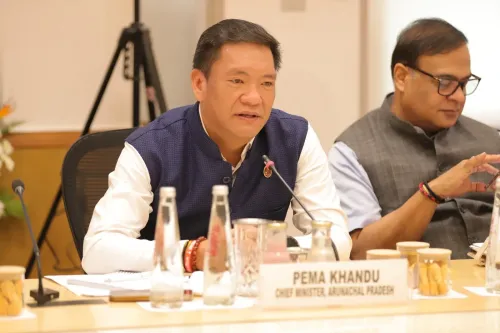
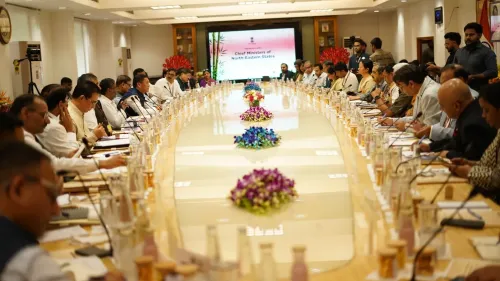
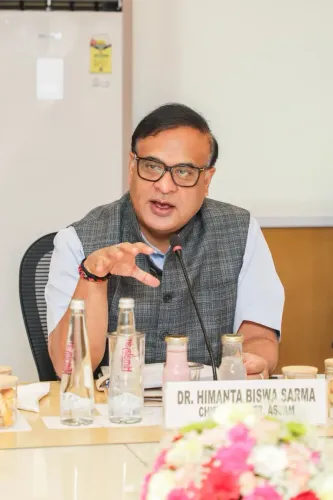
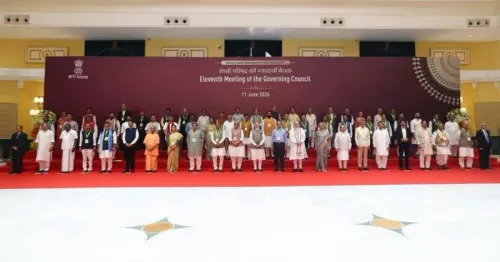
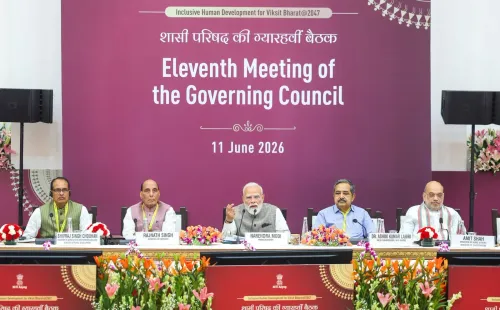
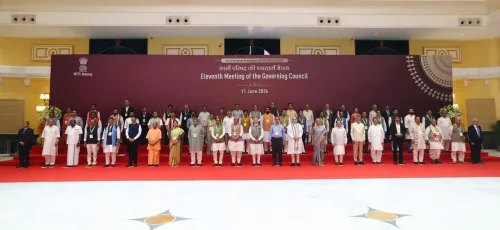
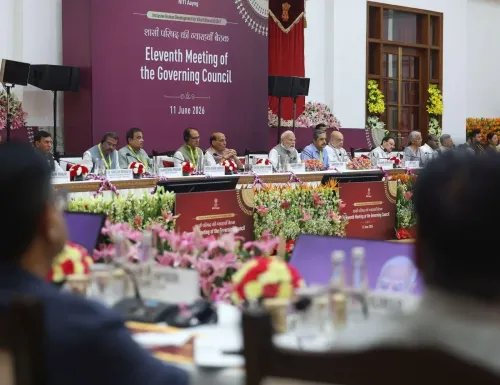
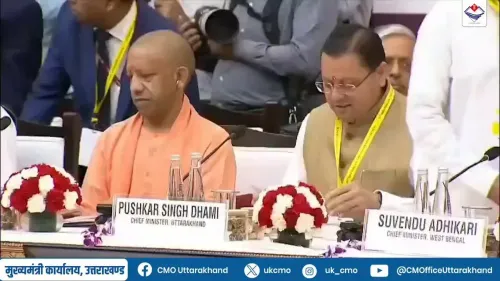
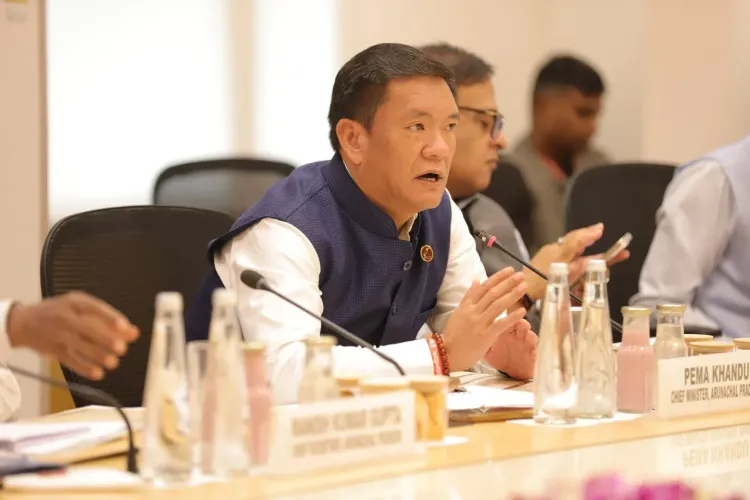
Arunachal Pradesh Chief Minister Pema Khandu attended a dedicated interaction programme convened by NITI Aayog on Friday, June 12, 2026, alongside Chief Ministers and Chief Secretaries of all eight North Eastern states. The meeting, chaired by NITI Aayog Vice Chairman Dr. Ashok Kumar Lahiri, marks the first time the policy body has held a focused consultation exclusively with the North East.
Context
Khandu noted the historic nature of the gathering, writing that 'this is the first time that NITI Aayog has convened such a dedicated interaction with the North East, underscoring the region's growing significance in India's development trajectory.' The meeting brought together the top executive leadership of all eight North Eastern states under a single platform for structured policy dialogue with the central think tank.
He thanked the 'newly appointed Hon'ble Vice Chairman of NITI Aayog, Dr. Ashok Kumar Lahiri ji,' for chairing the session alongside other Members of NITI Aayog, signalling the seniority of the engagement from the central government's side.
Policy Backdrop
NITI Aayog was constituted in January 2015 to replace the Planning Commission and institutionalise cooperative federalism, giving states a more direct role in shaping national development priorities. Its engagement with the North East builds on a longer arc of central policy attention to the region, including the Act East Policy — upgraded from 'Look East' in 2014 — which positioned the North East as India's strategic gateway to ASEAN nations.
The North Eastern Council, established in 1971, has historically served as the primary regional planning body for the eight states. A dedicated NITI Aayog interaction represents an additional, high-level layer of federal consultation that complements existing institutional mechanisms.
Successive governments have channelled significant infrastructure investment into the region, driven by both economic underdevelopment and geopolitical sensitivities along borders with China, Myanmar, and Bangladesh. This meeting aligns state-level plans with the national goal of Viksit Bharat — India's vision to become a developed economy by 2047.
Stakeholders and Impact
Khandu framed the North East's potential in three pillars: 'strategic location, abundant natural resources and vibrant human capital,' arguing the region is 'poised to play a defining role in shaping the vision of a Viksit Bharat and driving India's future growth story.' This framing positions the North East not as a peripheral beneficiary of national schemes but as an active driver of growth.
For state governments, the interaction offers a direct channel to present region-specific priorities — from logistics and connectivity to human-capital development — to NITI Aayog's membership. Chief Secretaries present at the meeting signal that administrative machinery, not just political leadership, is being engaged in the planning process.
What's Next
Observers will watch for follow-up action plans or thematic reports emerging from the consultation, as well as any North East-specific allocations in the next Union Budget or agenda items in upcoming North Eastern Council sessions. The institutionalisation of such dedicated interactions — if continued — could reshape how central policy priorities are calibrated for the region. The meeting's outcome may also influence how individual states pitch infrastructure and investment proposals to the central government in the near term.
Point of View
Moving beyond sector-specific reviews toward a consolidated regional dialogue. For Chief Minister Khandu, participation reinforces Arunachal Pradesh's centrality in India's border-state strategy at a moment when the state's proximity to China makes federal alignment particularly consequential. The framing of the North East as a growth driver — rather than a development laggard requiring catch-up investment — signals a deliberate rhetorical and policy shift in how New Delhi positions the region. Whether this interaction translates into measurable budget allocations or actionable state-level plans will determine its place in the longer arc of North East policy.
NationPress
13 Sept 2026
Frequently Asked Questions
What was the NITI Aayog interaction with North Eastern states about?
NITI Aayog convened a dedicated interaction with Chief Ministers and Chief Secretaries of all eight North Eastern states on June 12, 2026, to align regional development priorities with the national Viksit Bharat vision for 2047. Arunachal Pradesh CM Pema Khandu described it as the first such focused consultation by NITI Aayog with the North East.
Who chaired the NITI Aayog North East interaction in June 2026?
The meeting was chaired by Dr. Ashok Kumar Lahiri, the newly appointed Vice Chairman of NITI Aayog, along with other Members of NITI Aayog.
What is Viksit Bharat and how does the North East fit in?
Viksit Bharat is India's national vision to become a developed economy by 2047. The North East, with its strategic location bordering China, Myanmar and Bangladesh, abundant natural resources, and human capital, is seen as a key contributor to this goal.
Has NITI Aayog held such a meeting with the North East before?
According to Chief Minister Pema Khandu's post, this was the first time NITI Aayog convened a dedicated interaction specifically with the North Eastern states.
What is the significance of the Act East Policy for the North East?
The Act East Policy, upgraded from 'Look East' in 2014, positions India's North Eastern states as the country's strategic and economic gateway to ASEAN nations, making the region central to India's foreign trade and connectivity ambitions.