CM Manik Saha Champions 'Mukhyamantri Samipeshu' Outreach
Synopsis
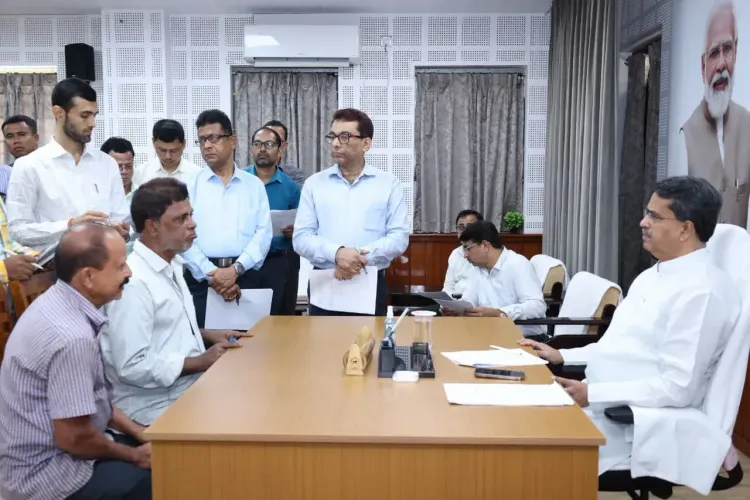
Tripura Chief Minister Dr. Manik Saha on 24 June 2026 spotlighted 'Mukhyamantri Samipeshu', a state initiative enabling citizens to directly submit grievances and suggestions to the government, framing it as a model of transparent, people-first administration.
Key Takeaways
Manik Saha , Chief Minister of Tripura , publicly championed the 'Mukhyamantri Samipeshu' initiative on 24 June 2026 .
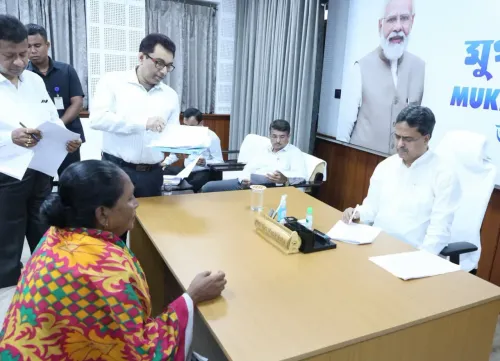
The programme allows citizens from across Tripura to directly submit problems, demands, and suggestions to the state government.
The initiative is framed as a tool for building transparent, responsive, and accountable administration through public participation.
The BJP -led Tripura government has pursued administrative reform since taking power in 2018 , ending 25 years of Left Front rule.
Future credibility of the programme will hinge on measurable complaint disposal rates and potential integration with central platforms such as CPGRAMS .
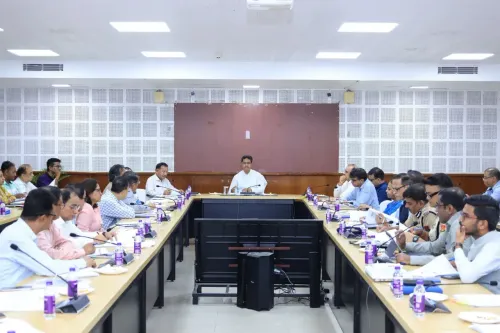
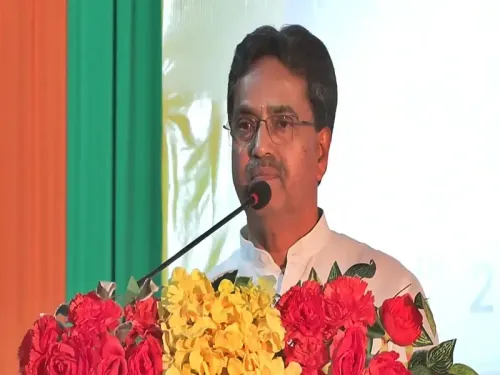
Tripura Chief Minister Dr. Manik Saha on Wednesday, 24 June 2026, highlighted the 'Mukhyamantri Samipeshu' initiative as a cornerstone of his government's commitment to transparent, responsive, and accountable governance, stating that the programme brings the administration closer to the aspirations and concerns of citizens across the state.
Context
In his post, Dr. Saha described 'Mukhyamantri Samipeshu' as 'an important initiative aimed at building a transparent, responsive, and accountable administration by valuing public participation and feedback.' He added that through the programme, 'people from different parts of the state are getting the opportunity to directly highlight their problems, demands, and suggestions.'
The Chief Minister characterised the initiative as 'a shining example of people-centric governance,' underscoring the state government's stated intent to listen to citizens and provide 'swift and effective solutions.'
Policy Backdrop
The BJP-led government in Tripura has, since wresting power in 2018 — ending 25 years of Left Front rule — introduced a series of administrative reform measures aimed at reducing bureaucratic delays and widening citizen interface with the state machinery.
'Mukhyamantri Samipeshu' fits within this broader pattern of Chief Minister-centric grievance redressal platforms that several BJP-governed states have adopted, positioning direct public outreach as an alternative to traditional departmental channels. The initiative aligns with the party's wider narrative of accountable governance at the state level.
Stakeholders and Impact
The primary beneficiaries of the programme are citizens of Tripura, particularly those from districts and remote areas who may otherwise face difficulty navigating conventional administrative channels to register grievances or seek redress.
District administrations across the state are also key stakeholders, as the programme channels public feedback directly to the government, potentially requiring faster turnaround and coordination across departments. The initiative is positioned as a bridge between elected leadership and everyday citizens.
What's Next
Observers will watch whether the Tripura government publishes periodic reports on complaint disposal rates and resolution timelines, which would lend measurable credibility to the programme's stated goals of speed and effectiveness.
Integration of 'Mukhyamantri Samipeshu' with existing state portals or central grievance frameworks such as CPGRAMS (Centralised Public Grievance Redress and Monitoring System) could further strengthen its reach and accountability architecture. The programme's long-term impact will depend on the consistency and transparency of follow-through on citizen submissions.
Point of View
Publicly amplifying the initiative serves a dual purpose — reinforcing his government's reform credentials ahead of any electoral cycle and projecting administrative responsiveness in a state where the BJP's hold remains relatively recent. The initiative's real test lies not in its branding but in verifiable resolution data, which the government has yet to make systematically public. Until disposal metrics are disclosed, 'Mukhyamantri Samipeshu' remains a governance promise whose delivery is difficult to independently assess.
NationPress
24 Jun 2026
Frequently Asked Questions
What is Mukhyamantri Samipeshu in Tripura?
'Mukhyamantri Samipeshu' is a public outreach and grievance redressal programme run by the Tripura state government that allows citizens to directly submit their problems, demands, and suggestions to the Chief Minister's office.
Who launched Mukhyamantri Samipeshu?
The initiative is associated with the BJP -led Tripura government under Chief Minister Dr. Manik Saha , who has actively promoted it as a model of people-centric governance.
What is the purpose of Mukhyamantri Samipeshu?
The programme aims to build a transparent, responsive, and accountable administration by creating a direct channel between citizens and the state government, bypassing traditional departmental channels.
How can Tripura citizens participate in Mukhyamantri Samipeshu?
Citizens from different parts of Tripura can use the programme to directly highlight their problems, demands, and suggestions to the state government, which then works to provide swift and effective solutions.
What is Tripura CM Manik Saha's governance approach?
Dr. Manik Saha , who became Chief Minister of Tripura in May 2022 , has emphasised administrative reform, citizen feedback mechanisms, and reducing bureaucratic delays as central pillars of his governance model.