CM Manik Saha Meets NDDB Chief to Boost Tripura Dairy Sector
Synopsis
Tripura Chief Minister Dr. Manik Saha met NDDB Chairman Dr. Meenesh Shah on 23 June 2026 to discuss strengthening the state's dairy sector. Talks focused on milk production, infrastructure, farmer empowerment, and sustainable livelihoods — signalling a concerted push to bring central dairy development resources to the northeast.
Key Takeaways
Meenesh Shah , Chairman of the National Dairy Development Board , paid a courtesy visit to Tripura CM Dr.
Manik Saha on 23 June 2026 .
Discussions focused on enhancing milk production, improving dairy infrastructure, empowering farmers, and creating sustainable livelihoods in Tripura .
The NDDB , established in 1965 , promotes the Anand cooperative model and has been expanding its footprint in northeastern states.
Concrete follow-ups to watch include potential MoUs between the NDDB and the Tripura government and dairy-sector budget allocations.
A successful partnership could position Tripura as a model for dairy cooperative development across the northeast.
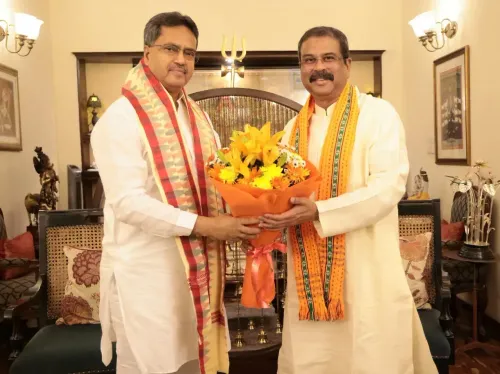
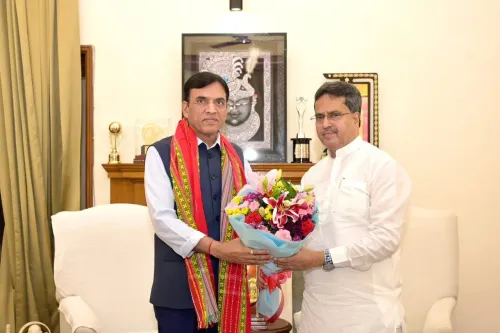
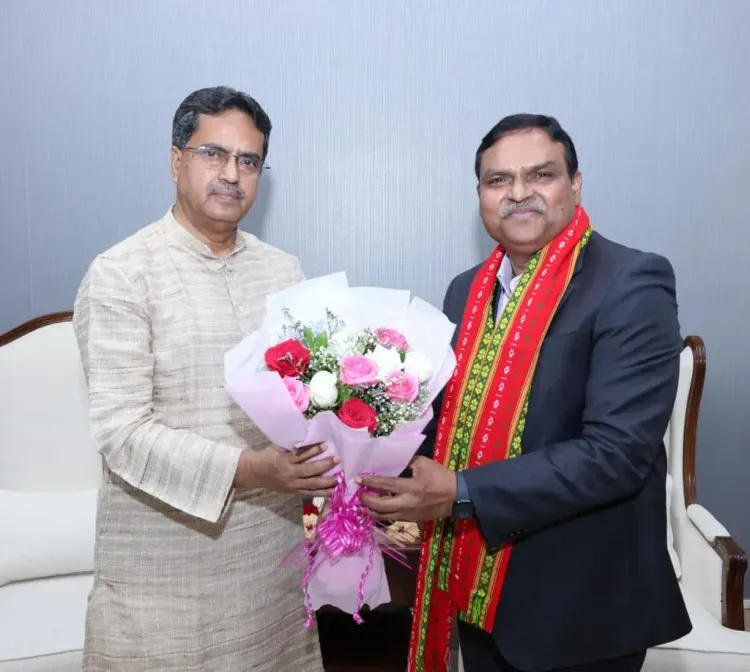
Tripura Chief Minister Dr. Manik Saha hosted Dr. Meenesh Shah, Chairman of the National Dairy Development Board (NDDB), at his official residence on Tuesday, 23 June 2026. The courtesy visit centred on expanding the dairy sector in the northeastern state, with discussions covering milk production, infrastructure, farmer empowerment, and sustainable livelihoods.
Context
Posting on X, Dr. Manik Saha described the meeting as 'fruitful,' noting that the two leaders discussed 'strengthening the dairy sector in Tripura, with a focus on enhancing milk production, improving infrastructure, empowering dairy farmers, and creating sustainable livelihood opportunities.' The visit by the NDDB chairman to the Chief Minister's official residence signals a formal push to bring central dairy development resources to bear on Tripura's rural economy.
Agriculture and allied sectors, including animal husbandry, form the backbone of livelihoods for a large share of Tripura's rural population. Dairy, however, has historically remained underdeveloped relative to the state's potential, making institutional engagement of this kind significant for the sector's trajectory.
Policy Backdrop
The National Dairy Development Board was established in 1965 to replicate the Anand cooperative model — pioneered in Gujarat — across India. The landmark Operation Flood, launched in 1970, used this cooperative framework to link milk producers directly with urban markets, dramatically raising national output over three decades.
In recent years, central agencies including the NDDB have stepped up engagement with northeastern states to diversify their agricultural base and raise rural incomes. The Board works with state governments on breed improvement, cold-chain infrastructure, and marketing networks under national dairy development programmes, providing both technical and financial support.
Stakeholders and Impact
Dairy farmers and rural households across Tripura stand to benefit most directly from any follow-up action that emerges from the meeting. Improved infrastructure — including chilling centres and collection networks — can reduce post-harvest losses and give smallholder farmers better price realisations for their milk.
Cooperative structures promoted by the NDDB have, in other states, helped women-led self-help groups enter the dairy value chain, broadening the livelihood impact beyond primary producers. A similar model, if extended to Tripura, could create ancillary employment in processing and distribution.
What's Next
Observers will watch for concrete outcomes from the meeting, including possible memoranda of understanding between the NDDB and the Tripura government, or dedicated dairy infrastructure allocations in upcoming state or central budgets. The Chief Minister's direct engagement with the NDDB chairman suggests that dairy development is being treated as a priority agenda item rather than a routine administrative matter.
If formal agreements follow, Tripura could become a model for dairy cooperative expansion in the northeast — a region that has long been on the margins of India's mainstream dairy economy.
Point of View
And this engagement fits a broader pattern of the BJP-led state government seeking central institutional partnerships to accelerate rural income growth. Whether the meeting translates into bankable projects will depend on follow-through in budget cycles and on-ground cooperative formation. The political calculus is clear: visible action on farmer livelihoods ahead of any electoral cycle carries significant dividends in a state where rural constituencies are decisive.
NationPress
23 Jun 2026
Frequently Asked Questions
Why did NDDB Chairman Dr. Meenesh Shah visit Tripura CM Manik Saha?
Dr. Meenesh Shah visited to hold discussions on strengthening Tripura's dairy sector, covering milk production, infrastructure improvement, farmer empowerment, and sustainable livelihood creation.
What is the National Dairy Development Board and what does it do?
The National Dairy Development Board is a statutory body established in 1965 to promote dairy cooperatives and milk production across India, using the Anand cooperative model as its framework.
How can Tripura benefit from NDDB support?
NDDB support could help Tripura build cold-chain infrastructure, improve cattle breeds, establish cooperative networks, and connect dairy farmers directly to markets — raising rural incomes.
What is Operation Flood and is it relevant to Tripura?
Operation Flood, launched in 1970, used dairy cooperatives to boost national milk output and link farmers with urban markets. Its cooperative model is the template NDDB applies when extending support to states like Tripura.
What should we watch for after the Saha-Shah meeting?
Key follow-ups include any memoranda of understanding between the NDDB and the Tripura government, and dairy infrastructure allocations in upcoming state or central budgets.