CM Mohan Majhi Pledges Transparent DMF Use for Odisha Tribes
Synopsis
Chief Minister Mohan Majhi has reaffirmed Odisha's commitment to transparent and effective use of District Mineral Foundation funds for tribal communities in mining regions, stressing inclusive, grassroots-level impact as the government's core objective.
Key Takeaways
The Chief Minister's Office of Odisha quoted CM Mohan Majhi pledging transparent and effective use of DMF funds for tribal welfare on 11 July 2026 .
District Mineral Foundations are statutory trusts created under the MMDR Amendment Act, 2015 to channel mining royalties into local development.
Odisha hosts major mining belts in Keonjhar and Sundargarh , districts with large Scheduled Tribe populations.
CM Majhi emphasised 'inclusive, people-centric and lasting impact at the grassroots level' as the government's guiding principle for DMF deployment.
Upcoming DMF utilisation reports and revised state guidelines on social audits will be key indicators of follow-through on this commitment.
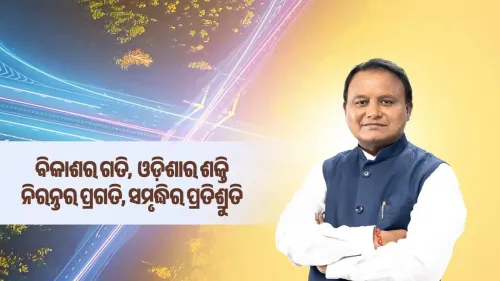
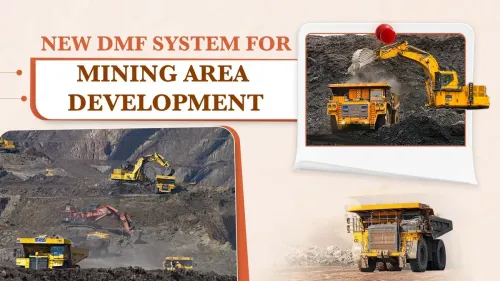
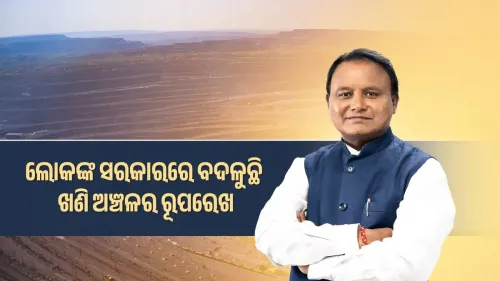
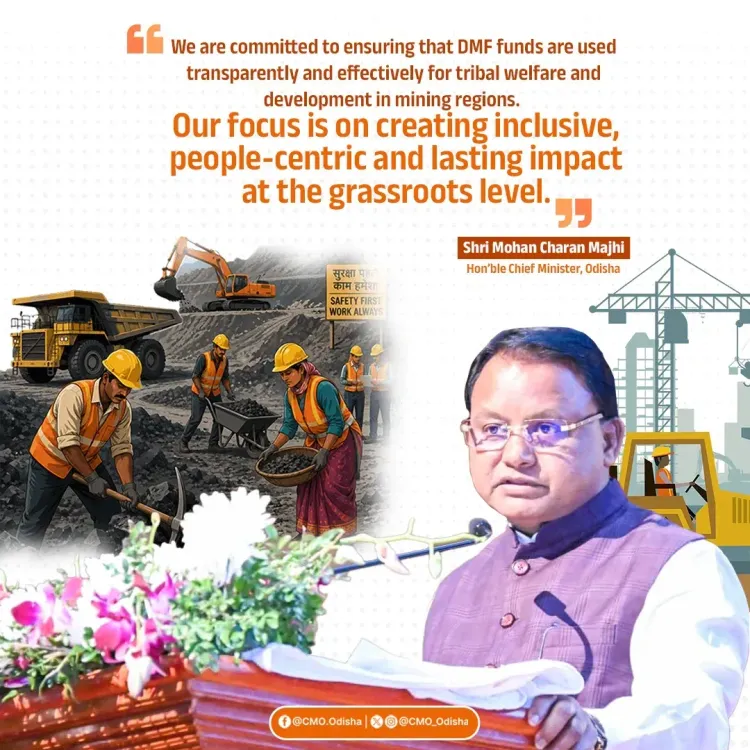
The Chief Minister's Office of Odisha, on behalf of Chief Minister Shri Mohan Majhi, reaffirmed on Saturday, 11 July 2026 the state government's commitment to deploying District Mineral Foundation (DMF) funds transparently and effectively for tribal welfare and development in Odisha's mining-affected regions.
Context
Quoting the Chief Minister directly, the official post stated: 'We are committed to ensuring that DMF funds are used transparently and effectively for tribal welfare and development in mining regions. Our focus is on creating inclusive, people-centric and lasting impact at the grassroots level.' The statement signals a deliberate policy emphasis on accountability in managing mineral revenues that flow into local development trusts.
Odisha is one of India's most mineral-rich states, with major mining belts concentrated in districts such as Keonjhar and Sundargarh, both of which have large Scheduled Tribe populations historically bearing the social and environmental costs of extraction.
Policy Backdrop
District Mineral Foundations are statutory trusts established under the Mines and Minerals (Development and Regulation) Amendment Act, 2015. The law mandates that mining lease holders contribute a prescribed share of royalties into these trusts, which are then meant to fund health, education, infrastructure, and livelihood programmes in mineral-bearing districts.
Since their creation, DMFs have accumulated significant corpora across mineral-rich states, but utilisation rates and project quality have varied widely. Concerns about fund parking, delayed spending, and inadequate community participation have prompted calls for stronger oversight mechanisms at both the state and district levels.
Stakeholders and Impact
The primary beneficiaries of DMF spending are tribal communities and other mining-affected populations living in and around active mine zones. For these groups, DMF resources represent a legal entitlement — a share of the wealth extracted from their lands — and their effective deployment directly shapes access to basic services and economic opportunity.
CM Mohan Majhi's emphasis on 'inclusive, people-centric and lasting impact at the grassroots level' aligns with a broader national conversation about ensuring that DMF projects are driven by community need rather than administrative convenience. Odisha's approach, if backed by robust social audits and public disclosure of utilisation data, could serve as a reference model for other mineral-rich states.
What's Next
Observers will watch for the release of annual DMF utilisation reports and any revised state guidelines on project selection, procurement, or social audit frameworks in Odisha's mining districts. Concrete metrics — such as the share of funds actually spent versus collected, and the proportion directed to priority sectors like health and education — will be the real test of the transparency commitment articulated by CM Majhi.
The government's stated focus on grassroots impact also raises expectations for enhanced community consultation processes and third-party monitoring, steps that advocacy groups working with tribal communities have long demanded across India's mining belt.
Point of View
Suggesting the state is keen to align with — and perhaps lead — that national narrative. However, without accompanying disclosures of utilisation data or announced audit mechanisms, the statement remains aspirational. The real test will come when district-level DMF accounts are opened to public scrutiny.
NationPress
11 Jul 2026
Frequently Asked Questions
What is the District Mineral Foundation in Odisha?
The District Mineral Foundation (DMF) is a statutory trust set up in each mineral-bearing district under the Mines and Minerals (Development and Regulation) Amendment Act, 2015. It collects a share of mining royalties and is required to spend those funds on the welfare of communities affected by mining, covering health, education, infrastructure, and livelihoods.
How does Odisha use DMF funds for tribal communities?
Odisha channels DMF revenues into development projects in mining-affected districts such as Keonjhar and Sundargarh, which have large Scheduled Tribe populations. CM Mohan Majhi has stated the focus is on transparent, inclusive, and grassroots-level impact for tribal welfare.
Who is Mohan Majhi and what is his role in Odisha?
Mohan Majhi is the Chief Minister of Odisha. He leads the state government and has been vocal about improving accountability in the use of mineral revenues for the benefit of tribal and mining-affected communities.
What is the MMDR Amendment Act 2015 and why does it matter for tribes?
The Mines and Minerals (Development and Regulation) Amendment Act, 2015 made it mandatory for mining companies to contribute to District Mineral Foundations. This was a landmark provision ensuring that a portion of the wealth generated from mineral extraction is legally earmarked for the communities living in those areas, many of whom are tribal.
What should we watch for next on Odisha DMF transparency?
Key things to watch include the release of annual DMF utilisation reports for Odisha's mining districts, any revised state guidelines on project selection and social audits, and measurable data on fund deployment rates in priority sectors like health and education.