CM Mohan Yadav Hails 'Catch the Rain' Drive, Cites MP Gains

Synopsis
MP Chief Minister Dr. Mohan Yadav highlighted the 'Catch the Rain' campaign's progress on 26 July 2026, citing nearly 1,500 ponds built in Sidhi and Amrit Sarovars rejuvenated in Narsinghpur, linking state efforts to PM Modi's Mann Ki Baat.
Key Takeaways
Madhya Pradesh CM Dr.
Mohan Yadav shared state water conservation milestones on 26 July 2026 via a Hindi post tagged to #MannKiBaat .
Nearly 1,500 ponds have been constructed in Sidhi district under the 'Catch the Rain' campaign.
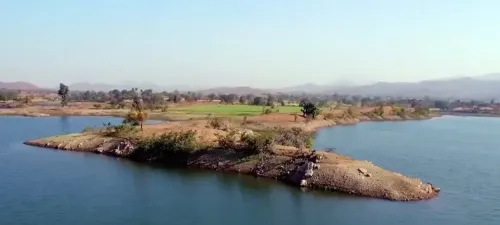
Amrit Sarovars in Narsinghpur have been developed and beautified as part of the national pond rejuvenation scheme.
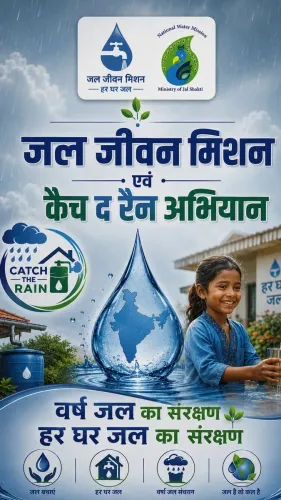
The 'Catch the Rain' campaign is part of the Jal Shakti Abhiyan , launched in 2019 and expanded nationally in 2021 .
The Amrit Sarovar scheme was announced in April 2022 targeting at least one pond per district across India.
The campaign is being positioned as a mass people's movement ('jan andolan') with community participation from villages to cities.
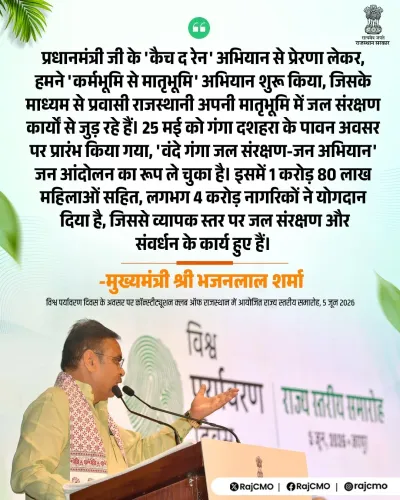
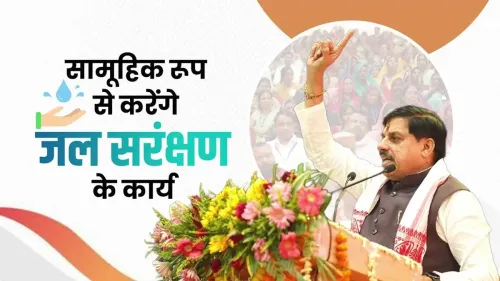
Madhya Pradesh Chief Minister Dr. Mohan Yadav on Sunday, 26 July 2026, highlighted the state's contribution to the national 'Catch the Rain' water conservation campaign, citing the construction of nearly 1,500 ponds in Sidhi district and the rejuvenation of Amrit Sarovars in Narsinghpur, while crediting the initiative to Prime Minister Narendra Modi's Mann Ki Baat outreach.
Context
Posting in Hindi on 26 July 2026, Dr. Yadav wrote that people from villages to cities are uniting with 'extraordinary enthusiasm' — 'अद्भुत उत्साह के साथ एकजुट हो रहे हैं' ['coming together with extraordinary enthusiasm'] — to turn the campaign into a mass movement. He specifically cited Sidhi district, where roughly 1,500 ponds have been built, and Narsinghpur, where Amrit Sarovars have been developed and beautified. The post was tagged to #MannKiBaat, the Prime Minister's monthly radio programme, signalling that these achievements were shared in that national forum.
Policy Backdrop
The 'Catch the Rain' campaign was launched nationally in 2021 under the Jal Shakti Abhiyan, the Central government's flagship water conservation mission started in 2019 to address groundwater depletion across water-stressed districts. The campaign focuses on building rainwater harvesting structures before and during the monsoon season, engaging communities in both rural and urban areas.
The Amrit Sarovar scheme, announced in April 2022 as part of Azadi Ka Amrit Mahotsav, set a target of constructing or rejuvenating at least one pond in every district of the country. Madhya Pradesh, with its large rural population and agricultural dependence, has been among the states actively participating in both programmes. Prime Minister Modi has repeatedly featured water conservation milestones on Mann Ki Baat to encourage broader public participation.
Stakeholders and Impact
Farmers and rural communities in districts such as Sidhi and Narsinghpur stand to benefit most directly from expanded pond infrastructure, which supports irrigation, groundwater recharge, and livestock water supply. District administrations have been the primary implementation arms, coordinating land identification, construction, and community engagement on the ground.
The framing of the campaign as a 'jan andolan' ['people's movement'] reflects the Central and state governments' strategy of building public ownership around water security, rather than positioning it solely as a government infrastructure drive. This approach has been consistently emphasised in Mann Ki Baat episodes covering water conservation themes.
What's Next
Attention will now turn to state-level progress reports and independent assessments of pond construction quality and water retention outcomes across Madhya Pradesh's districts. Future Mann Ki Baat episodes and parliamentary sessions may provide updated national tallies under the Jal Shakti Abhiyan and Amrit Sarovar scheme. Any new funding allocations in upcoming Union or state budgets for water body rejuvenation will indicate whether the political momentum translates into sustained fiscal commitment to water security.
Point of View
Which helps insulate them from top-down policy fatigue. Whether the pond construction numbers translate into measurable groundwater recovery will be the harder test that stakeholders and opposition will eventually demand.
NationPress
26 Jul 2026
Frequently Asked Questions
What is the 'Catch the Rain' campaign in India?
'Catch the Rain' is a national rainwater harvesting campaign launched in 2021 under the Jal Shakti Abhiyan, aimed at building water conservation structures in rural and urban areas before and during the monsoon season.
How many ponds have been built in Sidhi district, Madhya Pradesh?
According to Madhya Pradesh Chief Minister Dr. Mohan Yadav, nearly 1,500 ponds have been constructed in Sidhi district as part of the 'Catch the Rain' campaign.
What is the Amrit Sarovar scheme?
The Amrit Sarovar scheme was announced in April 2022 under Azadi Ka Amrit Mahotsav, with the goal of constructing or rejuvenating at least one pond in every district across India to support water conservation.
What is the Jal Shakti Abhiyan?
The Jal Shakti Abhiyan is a Central government water conservation mission launched in 2019, initially covering 256 water-stressed districts, focused on addressing groundwater depletion through community-driven action.
What did CM Mohan Yadav say about water conservation on Mann Ki Baat?
CM Mohan Yadav posted on 26 July 2026 that people from villages to cities are joining the 'Catch the Rain' campaign with extraordinary enthusiasm, citing pond construction in Sidhi and Amrit Sarovar work in Narsinghpur, and tagged the post to PM Modi's Mann Ki Baat programme.