CM Mohan Yadav Hails India's First Hydrogen Train on Jind-Sonipat Route
Synopsis
Madhya Pradesh CM Dr. Mohan Yadav has praised the launch of India's first hydrogen-powered train on the Jind-Sonipat route in Haryana, calling it a historic step toward pollution-free travel and a key pillar of the Viksit Bharat vision under PM Modi's leadership.
Key Takeaways
Madhya Pradesh CM Dr.
Mohan Yadav publicly lauded the launch of India's first hydrogen train on 17 July 2026 .
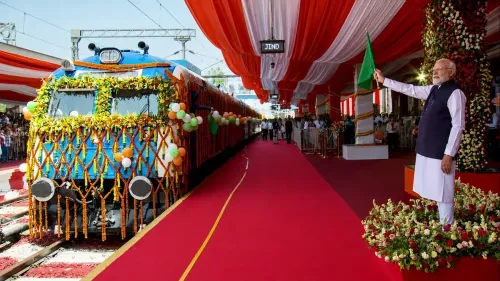
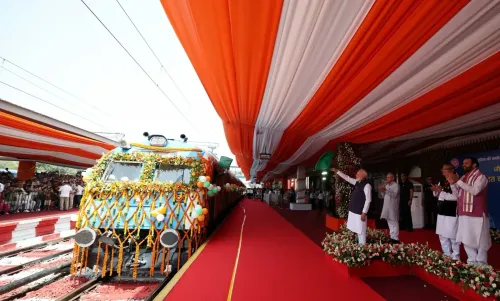
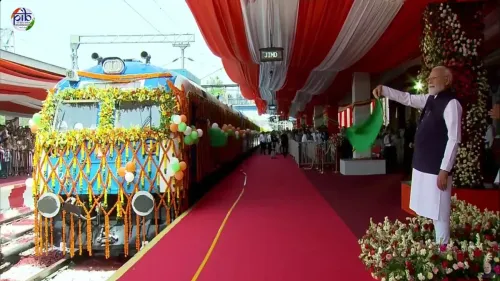
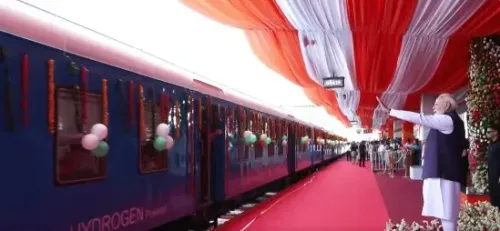
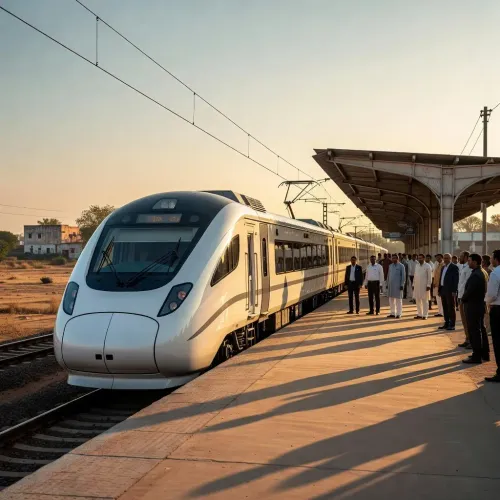
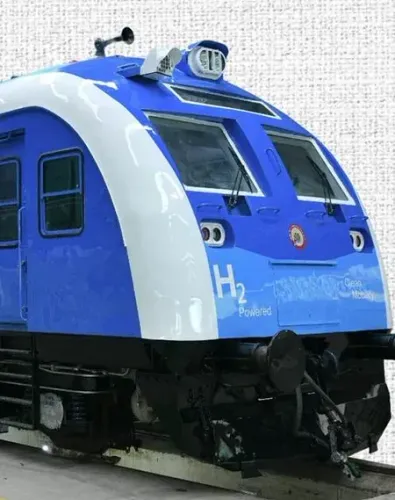
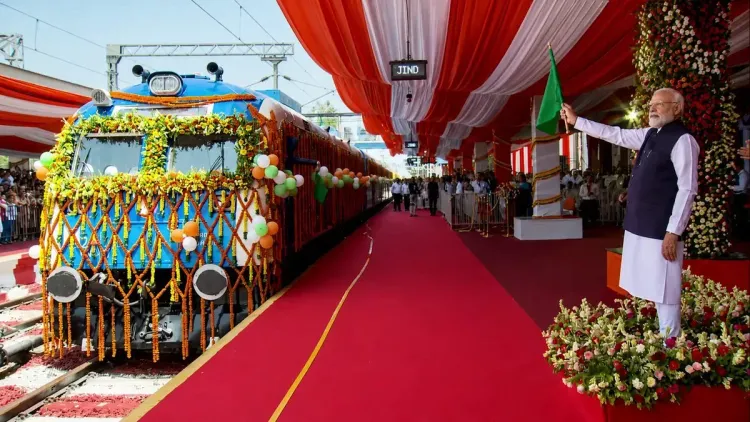
The hydrogen train is operational on the Jind-Sonipat route in Haryana, marking a national first.
The initiative is backed by the National Green Hydrogen Mission , launched in 2023 .
Indian Railways has set a target of net-zero carbon emissions by 2030 through clean fuel adoption.
The Union Budget 2023-24 had announced hydrogen-powered trains as part of the railways' green roadmap.
The pilot aligns with India's commitment to achieve net-zero emissions by 2070 under its COP26 pledge.
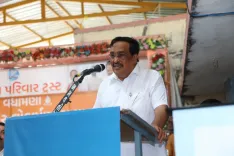
Madhya Pradesh Chief Minister Dr. Mohan Yadav on Friday, 17 July 2026, took to X to applaud the launch of India's first hydrogen-powered train on the Jind-Sonipat route in Haryana, calling it a historic milestone in the country's green mobility journey under Prime Minister Narendra Modi.
In his post, Dr. Yadav wrote — 'हरित भविष्य की पटरी पर गतिमान नया भारत' ('New India moving on the track of a green future') — crediting PM Modi's 'visionary leadership' for setting new benchmarks in clean energy and innovation within Indian Railways. He described the hydrogen train initiative as fulfilling the resolve of 'Green Growth' and called it 'a strong pillar' in building a Viksit Bharat (Developed India).
Context
The Jind-Sonipat corridor in Haryana has been selected as the pilot route for India's first operationally deployed hydrogen-powered train, marking a significant step in the country's efforts to decarbonise its vast rail network. Indian Railways — one of the world's largest rail systems — has set an ambitious target of achieving net-zero carbon emissions by 2030 through a combination of electrification, solar energy, and alternative fuels including hydrogen.
The hydrogen train pilot represents a tangible output of policy commitments made over the past several years, translating budgetary announcements into on-track operations.
Policy Backdrop
The Union Budget 2023-24 had specifically announced the development of hydrogen-powered trains as part of Indian Railways' green transition roadmap. This initiative sits within the broader framework of the National Green Hydrogen Mission, launched in 2023, which aims to scale up hydrogen production and its deployment across sectors including transport, industry, and energy storage.
India's overarching commitment to reach net-zero emissions by 2070, pledged at COP26, has accelerated investment in clean transport infrastructure. Railways, which currently account for a significant share of the country's energy consumption, are seen as a critical lever in meeting these climate targets. Hydrogen traction, alongside solar-powered stations and battery technology, forms one pillar of this multi-pronged decarbonisation strategy.
Stakeholders and Impact
Railway passengers on the Jind-Sonipat corridor are the immediate beneficiaries, travelling on a zero-emission service that produces only water vapour as a byproduct. Beyond commuters, the green energy sector — including domestic hydrogen producers and fuel-cell technology manufacturers — stands to gain from the precedent set by this pilot, which could open procurement pipelines for future hydrogen rolling stock.
For Haryana as a state, hosting India's first hydrogen train route positions it at the forefront of the country's clean transport transition. Broader industrial and employment opportunities linked to green hydrogen infrastructure development are also anticipated as the mission scales up.
What's Next
The success of the Jind-Sonipat pilot is expected to inform decisions on rolling out hydrogen train services on additional routes across India. Policymakers and the railway ministry are likely to track operational performance data — including range, reliability, and cost per kilometre — before committing to wider fleet procurement.
Progress on the National Green Hydrogen Mission's budget allocations and production targets will also be closely watched, as affordable domestic hydrogen supply is essential to making the economics of hydrogen rail viable at scale. The initiative feeds directly into the Viksit Bharat 2047 vision, with clean infrastructure increasingly framed as inseparable from India's development ambitions.
Point of View
Reinforcing the party's 'Green Growth' and 'Viksit Bharat' messaging ahead of potential electoral cycles. The Jind-Sonipat hydrogen train pilot is significant not just as a technology demonstration but as a signal that India's net-zero commitments are moving from policy documents to operational reality. It also reflects a broader pattern of BJP-governed states actively promoting central schemes on social media to build a unified development narrative. The real test, however, will be whether the pilot translates into scalable, cost-effective hydrogen rail deployment — a question that operational data from this route will eventually answer.
NationPress
17 Jul 2026
Frequently Asked Questions
What is India's first hydrogen train and where does it run?
India's first hydrogen-powered train operates on the Jind-Sonipat route in Haryana. It runs on hydrogen fuel cells and emits only water vapour, making it a zero-emission mode of rail transport.
What is the National Green Hydrogen Mission?
The National Green Hydrogen Mission was launched by the central government in 2023 to scale up green hydrogen production and its use across sectors including transport, industry, and energy. It supports initiatives like the hydrogen train pilot.
What is Indian Railways' carbon emission target?
Indian Railways has set a target of achieving net-zero carbon emissions by 2030 , pursuing this through electrification, solar energy at stations, and alternative fuels such as hydrogen.
Why did MP CM Mohan Yadav comment on the hydrogen train?
Madhya Pradesh CM Dr. Mohan Yadav posted on X to applaud the hydrogen train launch as a milestone in PM Modi's green growth agenda, framing it as central to the 'Viksit Bharat' development vision.
How does the hydrogen train fit into India's climate commitments?
The hydrogen train pilot supports India's pledge to reach net-zero emissions by 2070 , made at COP26. Decarbonising railways — a major energy consumer — is seen as a key step toward meeting that national climate target.