CM Mohan Yadav Launches Simhastha 2028 Workshop in Ujjain
Synopsis
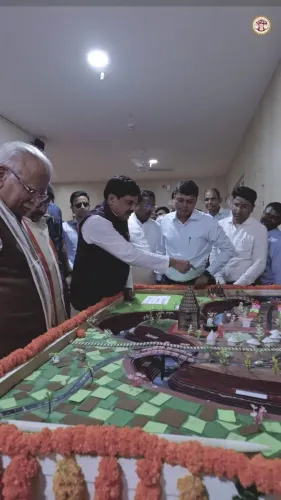
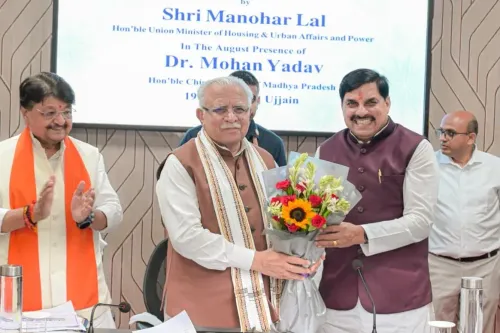
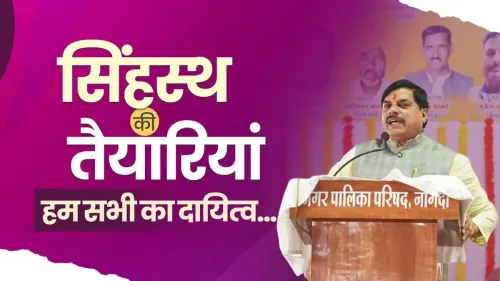
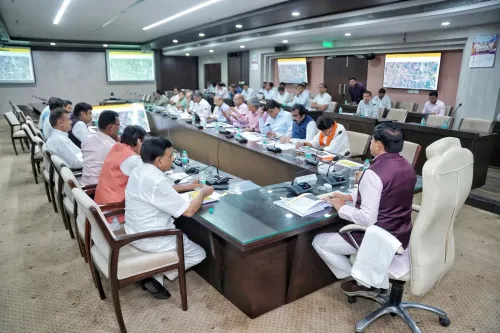
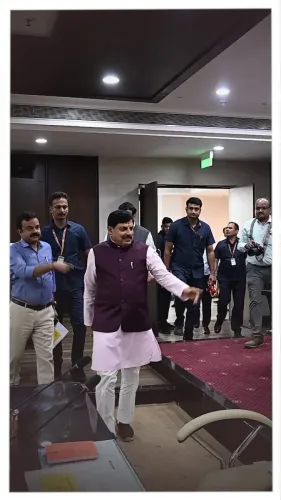
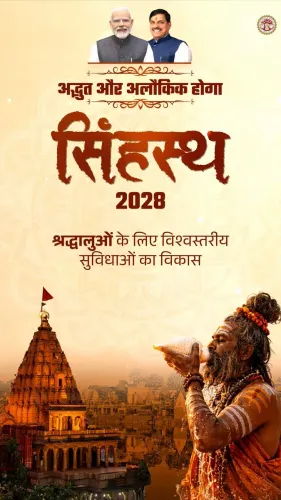
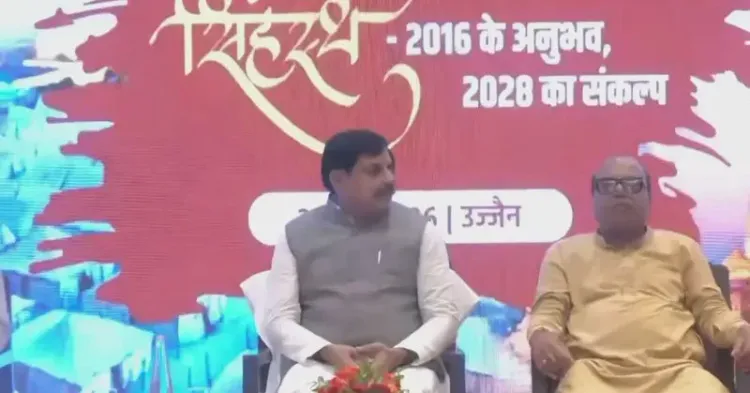
Chief Minister Dr. Mohan Yadav on 27 June 2026 inaugurated a workshop in Ujjain themed 'Lessons from Simhastha-2016, Resolve for 2028', formally launching Madhya Pradesh's multi-year administrative preparation for the next Simhastha Kumbh Mela.
Key Takeaways
Mohan Yadav inaugurated the Simhastha 2028 planning workshop in Ujjain on 27 June 2026 .
The workshop is themed 'Lessons from Simhastha-2016, Resolve for 2028', using the 2016 Kumbh Mela as a policy reference point.
The Simhastha Kumbh Mela is held in Ujjain every 12 years, making 2028 the next scheduled edition.
The initiative signals the start of formal, multi-year inter-departmental planning for infrastructure, crowd management, and sanitation.
Further budget announcements and departmental coordination meetings for Simhastha 2028 are expected to follow.
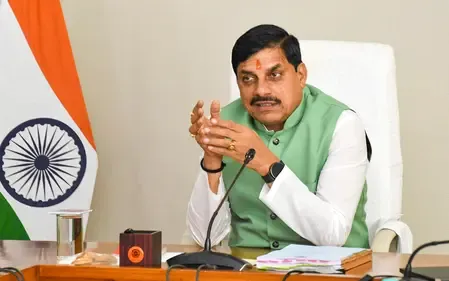
The Chief Minister's Office of Madhya Pradesh announced on Saturday, 27 June 2026 that Chief Minister Dr. Mohan Yadav inaugurated a workshop in Ujjain themed 'Simhastha-2016 ke Anubhav, 2028 ka Sankalp' ('Lessons from Simhastha-2016, Resolve for 2028'), signalling the state government's formal launch of multi-year planning for the next Simhastha Kumbh Mela.
Context
The workshop, live-streamed by the Chief Minister's Office, brings together administrators, planners, and stakeholders to draw on the operational experience of the 2016 Simhastha Kumbh Mela held in Ujjain. The 2016 edition was a large-scale state-coordinated event that tested Madhya Pradesh's capacity for crowd management, sanitation, and infrastructure at a mass religious gathering. By convening this review in June 2026, the state government is giving itself roughly two years of runway before the Simhastha 2028 event.
Policy Backdrop
The Simhastha Kumbh Mela is held in Ujjain every 12 years, drawing millions of pilgrims to the banks of the Shipra river. State governments in India have increasingly institutionalised post-event reviews and pre-event workshops for such mass gatherings, treating logistics, sanitation, security, and infrastructure as long-horizon policy challenges rather than last-minute arrangements. Madhya Pradesh has consistently positioned Ujjain as a centre of religious tourism and pilgrimage infrastructure investment.
Dr. Mohan Yadav, who has led the state since December 2023, has made religious and cultural tourism a visible plank of his administration. The Simhastha 2028 workshop is consistent with that broader governance emphasis, translating ceremonial intent into structured inter-departmental planning.
Stakeholders and Impact
The primary stakeholders are the millions of pilgrims expected to attend Simhastha 2028, along with the Ujjain district administration, state departments handling public works, health, police, and urban development, and local businesses dependent on pilgrimage footfall. Lessons from 2016 — covering areas such as temporary infrastructure, river-front management, and crowd flow — are expected to directly inform capital expenditure decisions and inter-departmental coordination frameworks for 2028.
Workshops of this nature also serve as a platform for officials who managed the 2016 event to transfer institutional memory to a newer cohort of administrators, reducing the knowledge gap that typically accompanies a 12-year cycle.
What's Next
The state government is expected to follow this workshop with formal inter-departmental coordination meetings and, eventually, dedicated budget provisions for Simhastha 2028 infrastructure. Announcements on road widening, riverfront development, accommodation zones, and digital pilgrim-management systems in and around Ujjain are likely to emerge from the planning process set in motion by this inauguration. The workshop marks the beginning of what will be a sustained, multi-year administrative effort to make Simhastha 2028 a logistically smoother and larger event than its predecessor.
Point of View
The Madhya Pradesh government under Dr. Mohan Yadav is signalling a shift from reactive to anticipatory governance in managing mass religious gatherings. This fits a broader national pattern where state administrations — emboldened by the logistical scale of Prayagraj Kumbh editions — are treating pilgrimage infrastructure as a long-cycle public-works challenge. For Yadav, the Simhastha 2028 project also carries political weight: Ujjain is his home city and a symbol of the BJP's cultural-nationalist governance identity in Madhya Pradesh. The workshop is as much a policy milestone as it is a statement of administrative ambition ahead of the next electoral cycle.
NationPress
27 Jun 2026
Frequently Asked Questions
What is Simhastha Kumbh Mela in Ujjain?
Simhastha Kumbh Mela is a major Hindu pilgrimage held every 12 years in Ujjain, Madhya Pradesh, on the banks of the Shipra river. It is one of India's largest religious gatherings, drawing millions of devotees for ritual bathing and worship.
When is Simhastha 2028?
Simhastha 2028 is the next edition of the Kumbh Mela cycle in Ujjain, scheduled for 2028. The Madhya Pradesh government has begun formal planning for it as of June 2026.
What was Simhastha 2016?
Simhastha 2016 was the previous Kumbh Mela held in Ujjain, organised with large-scale state coordination covering crowd management, infrastructure, and sanitation. Its operational lessons are now being used to plan the 2028 edition.
Who is Dr. Mohan Yadav?
Dr. Mohan Yadav is the Chief Minister of Madhya Pradesh, in office since December 2023. He is a BJP leader from Ujjain and has made religious and cultural tourism a focus of his administration.
What will the Simhastha 2028 workshop decide?
The workshop is focused on drawing lessons from the 2016 edition to improve logistics, sanitation, security, and infrastructure for 2028. It is expected to set the agenda for inter-departmental coordination and future budget allocations for Simhastha 2028.