CM Nitish Reaffirms Bihar's Commitment to Farmers, Industry
Synopsis
Chief Minister Nitish Kumar has reaffirmed that the Bihar government is fully committed to farmer prosperity, industrial development, and building a strong rural economy, according to a statement shared by the Chief Minister's Office on 22 June 2026.
Key Takeaways
The Chief Minister's Office of Bihar posted the statement on 22 June 2026 , quoting CM Nitish Kumar directly.
CM Nitish Kumar stated the government is 'fully committed' to farmer prosperity, industrial development, and a strong rural economy.
Bihar is a predominantly agrarian state where rural development and industrial diversification have been twin policy pillars since 2005 .
The statement aligns with Bihar's successive budgets and industrial policies aimed at attracting investment while supporting agriculture.
Key stakeholders include Bihar's farmers , rural communities, and industrial investors watching for concrete scheme announcements.
Upcoming budget sessions and industrial summits will be closely watched for specific fund allocations and programme details.
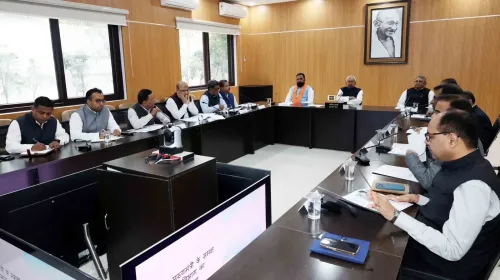
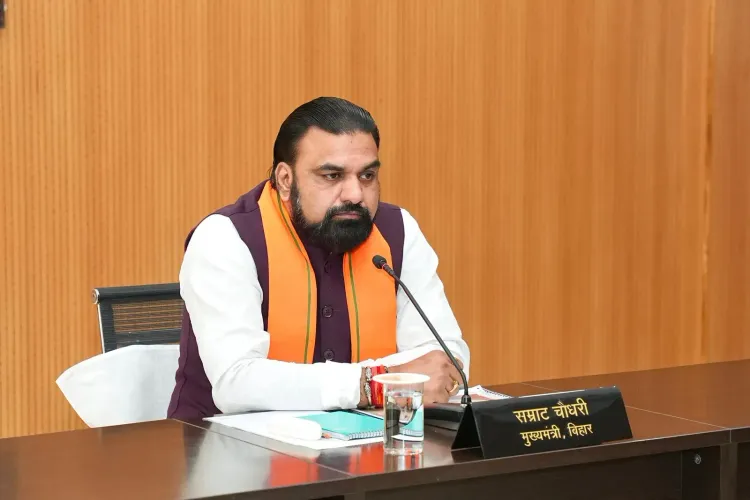
The Chief Minister's Office of Bihar on Monday, 22 June 2026 quoted Chief Minister Nitish Kumar as reaffirming the state government's full commitment to farmer prosperity, industrial development, and the building of a strong rural economy.
The post, shared from the official @officecmbihar handle, quoted the Chief Minister in Hindi: 'राज्य सरकार किसानों की समृद्धि, औद्योगिक विकास और सशक्त ग्रामीण अर्थव्यवस्था के निर्माण के लिए पूरी तरह प्रतिबद्ध है' — ('The state government is fully committed to farmer prosperity, industrial development, and the creation of a strong rural economy.')
Context
Bihar is one of India's most populous and predominantly agrarian states, where a large share of the workforce depends on farming and allied rural activities. The state has historically grappled with low per-capita income and limited industrial presence, making the twin goals of agricultural support and industrial diversification central to successive administrations.
Chief Minister Nitish Kumar, who has led the state government for most of the period since 2005, has consistently positioned rural development and economic modernisation as flagship priorities. Monday's statement is the latest public articulation of that agenda.
Policy Backdrop
Since the mid-2000s, Bihar's successive budgets and industrial policies have sought to attract private investment while simultaneously strengthening the agricultural sector through infrastructure, credit access, and welfare schemes. The dual emphasis — boosting farm incomes while creating non-farm rural employment — mirrors a broader national strategy for states with large agrarian populations.
The Bihar government has in recent years pursued industrial investment summits and policy incentives to draw manufacturing and processing units to the state, aiming to reduce dependence on remittances and seasonal agricultural income. Agricultural modernisation, including horticulture promotion and post-harvest infrastructure, has run alongside these industrial outreach efforts.
Stakeholders and Impact
Bihar's farmers and rural communities stand as the primary beneficiaries of any concrete measures that flow from this stated commitment. With a significant portion of the state's population engaged in smallholder agriculture, policies on input subsidies, irrigation, and market linkages carry direct livelihood implications.
Industrial investors and entrepreneurs represent the second major stakeholder group. A credible policy environment and improved infrastructure are prerequisites for sustained private investment, which in turn generates non-farm employment in rural and peri-urban areas. The statement signals that the government views these two tracks as complementary rather than competing priorities.
What's Next
Observers will watch Bihar's next budget session and any forthcoming industrial investment summit for specific scheme announcements, fund allocations, and measurable targets that give substance to Monday's commitment. Agricultural production data and rural employment figures in subsequent seasons will serve as benchmarks against which the government's delivery can be assessed.
The broader trajectory of Bihar's economic transformation depends on whether policy intent translates into on-ground implementation — a question that will be answered in the months ahead as specific programmes are either announced or scaled up.
Point of View
Investment-friendly image. At a time when several Indian states are competing aggressively for manufacturing investment under national industrial incentive frameworks, such declarations carry both policy and political weight. The real test, as always, will be in the specifics: scheme design, budget allocations, and implementation timelines that follow such high-level affirmations.
NationPress
23 Jun 2026
Frequently Asked Questions
What did Bihar CM Nitish Kumar say about farmers and industrial development?
CM Nitish Kumar stated that the Bihar state government is fully committed to farmer prosperity, industrial development, and the creation of a strong rural economy, as quoted by the Chief Minister's Office on 22 June 2026.
What is Bihar's economic policy focus under Nitish Kumar?
Under Nitish Kumar, Bihar has pursued a dual strategy of supporting agriculture and attracting industrial investment, aiming to raise farmer incomes and generate non-farm rural employment since 2005.
Why is rural economy development important for Bihar?
Bihar has a large agrarian population with historically low per-capita income and limited industry, making rural economy strengthening and agricultural modernisation critical for broad-based growth.
What should we watch for next regarding Bihar's economic commitments?
Bihar's next budget session and any announced industrial investment summit will be key events where specific schemes, fund allocations, and measurable targets are expected to be revealed.
How does Bihar's approach compare to other Indian states on farmer welfare?
Bihar's dual emphasis on agricultural support and industrial diversification mirrors strategies adopted by several Indian states seeking to modernise predominantly rural economies and align with national priorities on farm income and regional economic balancing.