CM Pema Khandu Warns: Siang's Future Hinges on Decisions Made Today
Synopsis
Chief Minister Pema Khandu visited Boleng on September 29 to address Siang district officials, delivering an urgent intergenerational appeal: use your social influence in tribal communities now, or face the judgment of future generations over decisions left unmade.
Key Takeaways
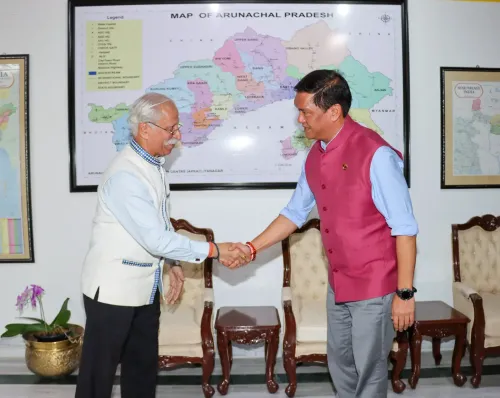
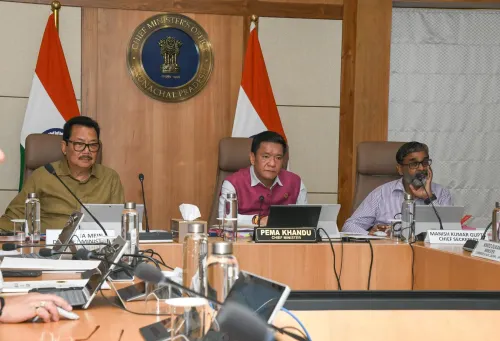
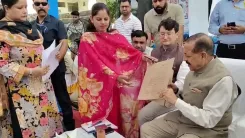
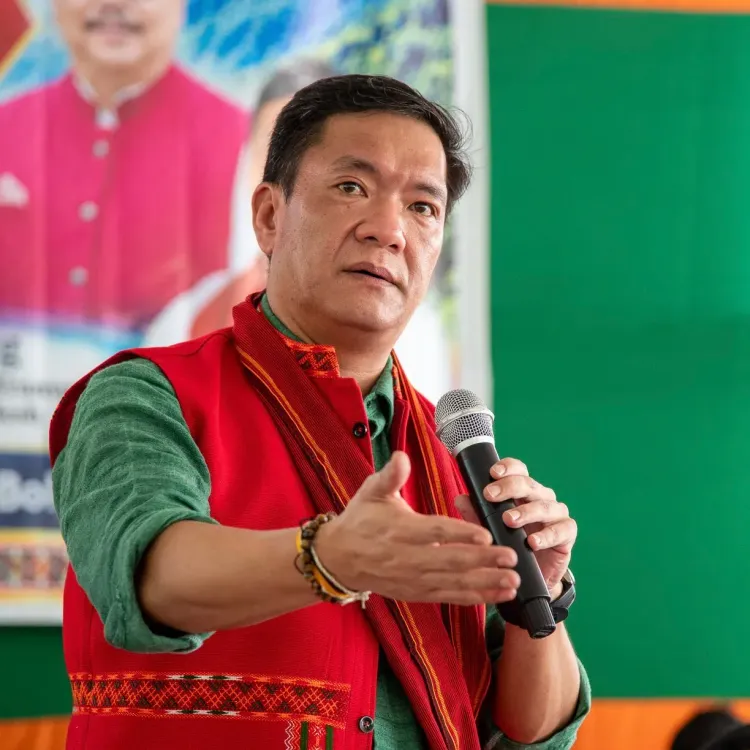
CM Pema Khandu held a direct interaction with officers and officials of Siang district at Boleng on September 29, 2026 .
He framed the meeting around urgency, warning that inaction today will have consequences 'felt by generations to come.' Khandu specifically highlighted the social influence government employees hold in tribal societies and urged them to channel it for public good.
The visit reflects a broader Northeast governance strategy of routing state priorities through community-embedded officials rather than top-down directives.
The specific decisions at stake for Siang district were not disclosed, but the Chief Minister's language signalled unusually high stakes.
Subsequent district-level communications from the state government on Siang are expected to follow.
A generational warning from the hills of Arunachal Pradesh. Arunachal Pradesh Chief Minister Pema Khandu travelled to Boleng on Tuesday, September 29, 2026, to meet officers and officials of Siang district — and he arrived not with routine instructions, but with an urgent moral charge: act now, or answer to your children later.
The Warning from Boleng: What Khandu Actually Said
'Time is not on our side,' the Chief Minister told the assembled officials. 'The decisions we make today will shape the future of Siang. If we fail to act, the consequences may be felt by generations to come.' The message was pointed and personal — 'One day, our children may ask us: when you had the opportunity to act, what did you do?'
That rhetorical question was not mere oratory. It framed the entire purpose of the Boleng visit: to impress upon district-level government employees that their role extends well beyond paperwork and procedure. In a tribal society, Siang's officials carry social weight that no policy circular can replicate.
Why Government Employees Are the Real Lever in Siang
Khandu's choice of audience was deliberate. In tribal communities across Arunachal Pradesh, government employees occupy a unique position — they are simultaneously state functionaries and community insiders, trusted by neighbours in ways that distant administrators rarely are. The Chief Minister explicitly acknowledged this, expressing hope that officials 'will use that influence to create awareness, encourage responsibility and serve the larger public good.'
This is a classic Northeast governance strategy: rather than issuing top-down directives into communities with strong oral traditions and tight kinship networks, the state routes its priorities through people who already have standing on the ground. The Boleng interaction is a textbook example of that approach — dialogue as policy delivery.
Siang at a Crossroads
Siang district, carved by the mighty Siang river as it descends from Tibet into the Assam plains, has long sat at the intersection of ecological sensitivity, tribal identity, and development pressure. Successive state governments have grappled with how to bring infrastructure and opportunity to the region without fracturing its social fabric. Khandu's language — urgent, intergenerational, consequence-laden — signals that whatever decisions are currently on the table for Siang carry stakes that his administration considers unusually high.
The specifics of those decisions were not disclosed in the post, but the emotional register left little ambiguity: this is not a routine administrative visit. This is a Chief Minister asking officials to become advocates, not just administrators.
The next move belongs to the men and women in that room in Boleng. History, Khandu reminded them, will notice whether they showed up.
Point of View
Deploy the officials who already live inside those networks as ambassadors of policy intent. The intergenerational framing — invoking children and legacy — is also politically shrewd, elevating what might otherwise read as a routine district review into a moral mandate that is hard for local officials to publicly resist. Whether this translates into measurable administrative action in Siang will depend on what specific decisions follow; the urgency of the rhetoric raises the political cost of inaction but does not yet define the action itself. Khandu's consistent pattern of high-visibility district engagement suggests he is building a governance narrative ahead of what could be consequential choices for the Siang valley.
NationPress
29 Sept 2026
Frequently Asked Questions
Why did CM Pema Khandu visit Boleng in Siang district?
Chief Minister Pema Khandu visited Boleng on September 29, 2026, to hold a direct interaction with Siang district officers and officials, urging them to use their social influence in tribal communities to create awareness and serve the public good.
What is the significance of Siang district in Arunachal Pradesh?
Siang district sits along the Siang river, which descends from Tibet into the Assam plains. It is home to tribal communities and has long been a focal point of development, ecological, and administrative discussions in Arunachal Pradesh.
What did Pema Khandu say about the future of Siang?
Khandu warned that 'time is not on our side' and that decisions made today will shape Siang's future, cautioning that failure to act could have consequences felt by generations to come.
Why does Pema Khandu emphasise the role of government employees in tribal areas?
In tribal societies like those in Siang, government employees have considerable social standing within their communities. Khandu believes this influence can be used to build awareness and encourage responsible behaviour in ways that top-down directives cannot achieve.
What decisions is Pema Khandu referring to for Siang district?
The Chief Minister did not specify the exact decisions in his post, but his urgent, intergenerational language suggests the state government is weighing significant choices for the Siang region whose details have not yet been publicly disclosed.