CM Rekha Gupta Hails 12 Years of Modi Farm Schemes
Synopsis
Delhi Chief Minister Rekha Gupta on June 11, 2026, credited twelve years of Modi government farm schemes — PM-KISAN, Pradhan Mantri Fasal Bima Yojana, and Soil Health Cards — with making Indian agriculture self-reliant, posting under the hashtag #12YearsOfKisanSamriddhi.
Key Takeaways
Delhi CM Rekha Gupta posted on June 11, 2026 crediting twelve years of central farm welfare schemes under PM Narendra Modi .
She cited the PM Kisan Samman Nidhi , which provides Rs 6,000 per year in direct income support to eligible farmer families.
The Pradhan Mantri Fasal Bima Yojana , launched in 2016 , offers crop insurance against natural calamities, pests, and disease.
The Soil Health Card scheme, initiated in 2015 , advises farmers on nutrient status and fertiliser use to improve productivity.
The post used the hashtag #12YearsOfKisanSamriddhi , reflecting a coordinated BJP communication effort around its agricultural governance record.
The 'Beej se Bazaar tak' (seed-to-market) policy framing has been a central theme of the government's farm sector approach since 2014 .
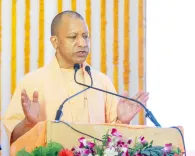
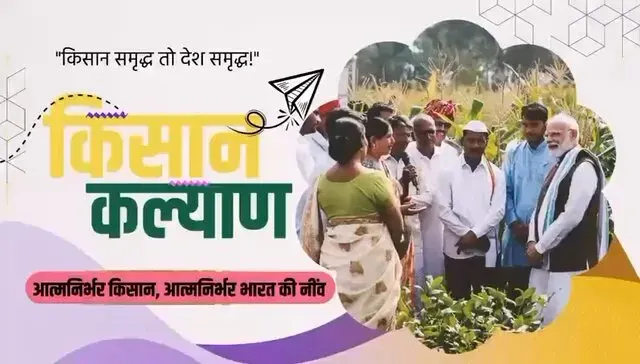
Delhi Chief Minister Rekha Gupta on Thursday, June 11, 2026, credited the farm welfare programmes launched under Prime Minister Narendra Modi over the past twelve years with making Indian agriculture self-reliant, calling the country's farmers the foundation of a strong nation.
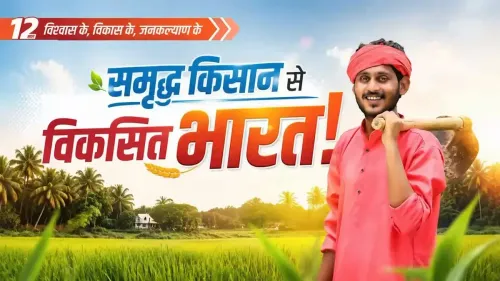
Posting on X under the hashtag #12YearsOfKisanSamriddhi, Gupta wrote in Hindi: 'देश के अन्नदाताओं की समृद्धि ही सशक्त राष्ट्र की पहचान है' ['The prosperity of the nation's farmers is the hallmark of a strong nation']. She added that a 'seed-to-market' policy pursued over twelve years had made Indian agriculture self-reliant (aatmanirbhar).
Context
The post arrives as the ruling Bharatiya Janata Party marks what it describes as twelve years of farmer-focused governance since 2014. Gupta specifically cited three flagship central programmes — the PM Kisan Samman Nidhi, the Pradhan Mantri Fasal Bima Yojana, and the Soil Health Card scheme — as instruments that have provided economic security and empowerment to farmers.
The 'Beej se Bazaar tak' ('seed to market') framing has been a recurring theme in the central government's agricultural communication since 2014, emphasising an integrated approach that links production, risk management, and market access.
Policy Backdrop
The Pradhan Mantri Fasal Bima Yojana was launched in 2016, replacing earlier crop insurance schemes with broader coverage against losses from natural calamities, pests, and disease. The Soil Health Card scheme began in 2015 with the aim of testing soil samples and issuing advisory cards to farmers on nutrient status and fertiliser use across a three-year cycle.
The PM-KISAN direct benefit transfer programme, announced in the 2019 Union Budget and rolled out nationwide, provides eligible landholding farmer families a direct income support of Rs 6,000 per year, transferred in three equal instalments. Together, these three schemes form the core of the central government's income-support and risk-mitigation architecture for the farm sector.
Stakeholders and Impact
India's farm sector supports a large share of the country's population, making agricultural welfare a central political and economic concern across states. Gupta's statement, made from Delhi, reflects the BJP's broader effort to consolidate its farmer-support narrative ahead of any upcoming electoral or budgetary cycle.
Direct benefit transfers under PM-KISAN and the crop insurance architecture under Pradhan Mantri Fasal Bima Yojana have been positioned as tools to reduce farmer indebtedness and exposure to weather-related losses, while Soil Health Cards aim to improve input efficiency and long-term soil productivity.
What's Next
Attention will now turn to the allocation for agriculture and rural development in the next Union Budget, as well as any parliamentary discussion on modifications to existing farmer support schemes or the introduction of new measures. The government's ability to demonstrate measurable improvements in farmer income and soil productivity will be central to sustaining the political credibility of the Kisan Samriddhi narrative.
As the BJP continues to frame its twelve-year agricultural record as a model for rural self-reliance, the policy debate is likely to sharpen around the actual reach and adequacy of direct transfers, insurance claim settlement rates, and soil health outcomes at the ground level.
Point of View
Timed to the #12YearsOfKisanSamriddhi campaign rather than any single policy announcement. By invoking PM-KISAN, crop insurance, and Soil Health Cards in a single post, she reinforces the party's framing of farm welfare as a multi-layered, systemic effort rather than a one-off measure. The statement also signals Delhi's alignment with the central government's rural outreach strategy at a moment when farm income and input costs remain politically sensitive. Whether the narrative gains traction will depend on how effectively the party can translate scheme coverage data into visible improvements in farmer livelihoods.
NationPress
26 Oct 2026
Frequently Asked Questions
What is PM Kisan Samman Nidhi and how much do farmers get?
PM-KISAN is a central government direct benefit transfer scheme that provides eligible landholding farmer families with Rs 6,000 per year , paid in three instalments of Rs 2,000 each, to support farm income.
What is the Pradhan Mantri Fasal Bima Yojana?
The Pradhan Mantri Fasal Bima Yojana is a crop insurance programme launched in 2016 that protects farmers against financial losses caused by natural calamities, pests, and diseases, replacing older and more limited insurance schemes.
What is the Soil Health Card scheme in India?
The Soil Health Card scheme, started in 2015 , involves testing soil samples from farmers' fields and issuing cards that advise on nutrient levels and appropriate fertiliser use to improve productivity and reduce input waste.
What does 'Beej se Bazaar tak' mean in Indian agriculture policy?
'Beej se Bazaar tak' means 'from seed to market' and refers to the central government's integrated approach since 2014 to support farmers across the entire agricultural chain — from inputs and production to processing and market access.
Why did Delhi CM Rekha Gupta post about farmer schemes?
Delhi CM Rekha Gupta posted on June 11, 2026 under the hashtag #12YearsOfKisanSamriddhi to mark twelve years of the Modi government's farm welfare programmes and to credit PM-KISAN, crop insurance, and Soil Health Cards with making Indian agriculture more self-reliant.