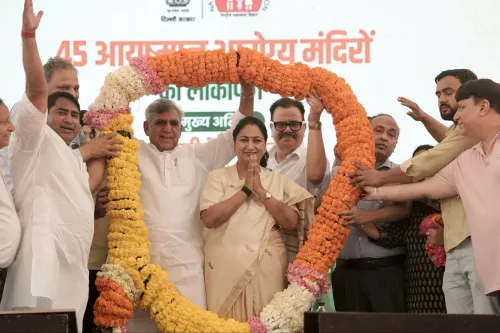
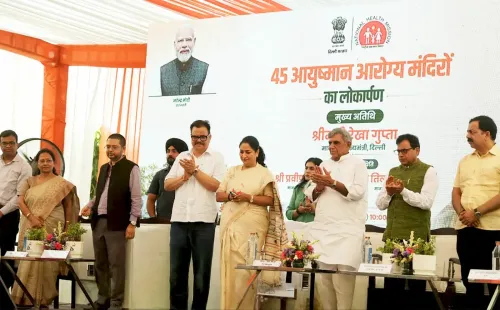
CM Rekha Gupta: Delhi crosses 415 Ayushman Arogya Mandirs
Synopsis
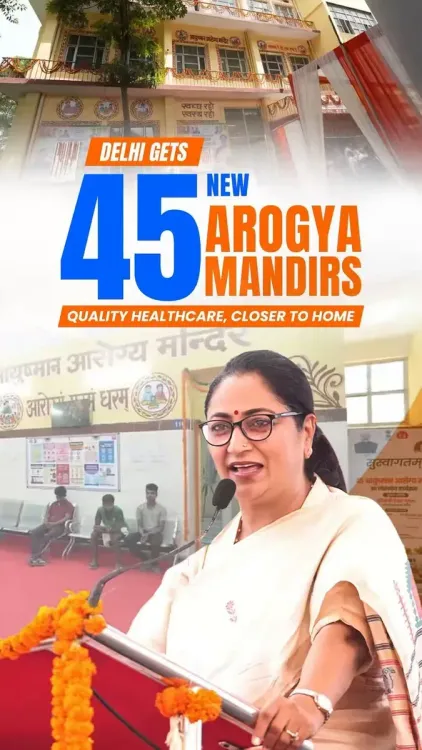
Delhi Chief Minister Rekha Gupta announced on 17 July 2026 that the capital has crossed 415 Ayushman Arogya Mandirs, expanding primary healthcare access for millions of residents under the Ayushman Bharat programme and the Viksit Delhi development agenda.
Key Takeaways
Delhi now has over 415 Ayushman Arogya Mandirs , as announced by CM Rekha Gupta on 17 July 2026 .
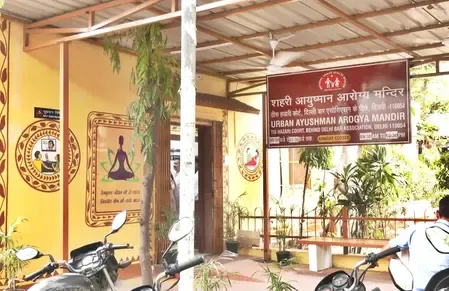
Ayushman Arogya Mandirs are upgraded Health and Wellness Centres under the Ayushman Bharat programme, offering preventive, promotive, and curative primary care.
The national target set in 2018 was to establish 1,50,000 such centres across India.
Delhi's population exceeds 20 million , making robust primary care infrastructure a critical urban health priority.
The rollout is framed under the Viksit Delhi and Viksit Bharat 2047 governance vision championed by the BJP.
Further integration with PMJAY insurance for referral care remains a key policy milestone to watch.
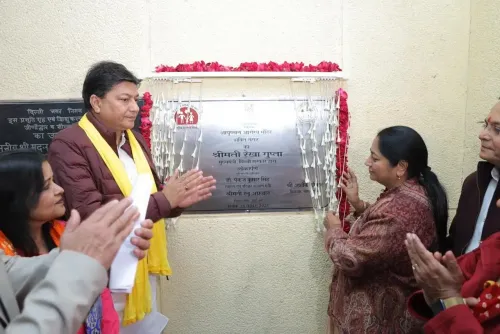
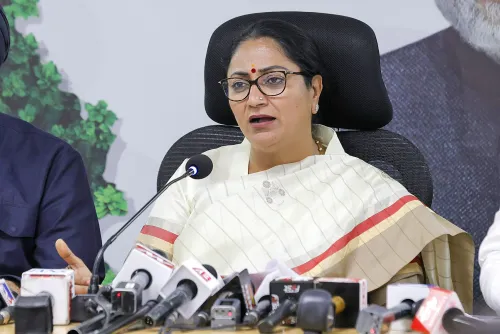
Delhi Chief Minister Rekha Gupta announced on Friday, 17 July 2026 that the national capital now has over 415 Ayushman Arogya Mandirs, marking a significant expansion of primary healthcare infrastructure under the centrally-sponsored Ayushman Bharat programme. The announcement, made via her official X account, frames the rollout as a step toward bringing trusted healthcare within reach of every Delhi family.
Context
Ayushman Arogya Mandirs are upgraded Health and Wellness Centres operating under the Ayushman Bharat framework, India's flagship national health programme launched in 2018. These centres are designed to deliver comprehensive primary care — covering preventive, promotive, and curative services — to communities that might otherwise rely on overburdened secondary or tertiary facilities. Delhi, with a population exceeding 20 million, has historically depended on a mix of central-scheme facilities and state-run hospitals for primary care delivery.
CM Gupta's post used the hashtags #AyushmanArogyaMandir and #ViksitDelhi, situating the health milestone within the broader Viksit Bharat 2047 development vision that the Bharatiya Janata Party-led central government has championed as a long-term governance framework.
Policy Backdrop
When Ayushman Bharat was launched in 2018, the central government set a national target of establishing 1,50,000 Health and Wellness Centres across the country to reorient India's health system toward primary care. The National Health Policy 2017 had earlier set the goal of raising public health expenditure to 2.5 per cent of GDP, with primary care at its core.
Delhi's progress in operationalising these Mandirs reflects state-level implementation of a centrally-funded scheme. The BJP, which governs both the Centre and Delhi, has prioritised the Ayushman Bharat infrastructure rollout in states under its administration, making the capital's numbers a visible marker of that policy commitment.
Stakeholders and Impact
The primary beneficiaries are Delhi's urban poor and middle-income families, who gain access to preventive screenings, maternal and child health services, and non-communicable disease management without navigating larger hospital systems. Each Ayushman Arogya Mandir is intended to serve as a first point of contact for a defined catchment population, reducing pressure on district hospitals.
The expansion also carries political significance for the BJP in Delhi, a territory where the party has historically competed hard on welfare delivery. Publicising the milestone reinforces the government's narrative of tangible, on-ground infrastructure progress under CM Gupta's administration.
What's Next
Analysts tracking Delhi's health infrastructure will watch for further integration of these Mandirs with the Pradhan Mantri Jan Arogya Yojana (PMJAY) insurance component of Ayushman Bharat, which funds referral care at secondary and tertiary levels. Seamless linkage between the two tiers is considered essential for the scheme to deliver on its universal coverage promise.
Any supplementary budget announcements in the Delhi Legislative Assembly allocating additional funds for health infrastructure — including staffing, diagnostics, and medicine supply at these Mandirs — will be closely watched as an indicator of how deeply the state intends to invest beyond the central grant.
Point of View
Using a concrete infrastructure number to signal welfare delivery in a politically contested urban territory. The milestone fits a broader pattern in which BJP-governed states publicise Health and Wellness Centre counts as proof of primary-care intent, even as analysts note that operational quality — staffing ratios, medicine availability, and PMJAY linkage — matters as much as raw numbers. The #ViksitDelhi framing deliberately ties a central-scheme achievement to a state-level brand, a useful political manoeuvre ahead of any future electoral cycle. Whether Delhi's Mandirs translate into measurable health outcomes for the urban poor will be the harder test of this expansion.
NationPress
17 Jul 2026
Frequently Asked Questions
What is an Ayushman Arogya Mandir?
An Ayushman Arogya Mandir is an upgraded Health and Wellness Centre under the Ayushman Bharat programme that provides comprehensive primary healthcare — including preventive, promotive, and curative services — at the community level.
How many Ayushman Arogya Mandirs does Delhi have in 2026?
According to an announcement by Delhi Chief Minister Rekha Gupta on 17 July 2026, Delhi has over 415 Ayushman Arogya Mandirs.
What is the Ayushman Bharat programme?
Ayushman Bharat is India's flagship national health programme launched in 2018, aimed at achieving universal health coverage through a network of primary care Health and Wellness Centres and a secondary-tertiary insurance scheme called PMJAY.
What is the national target for Health and Wellness Centres under Ayushman Bharat?
The central government set a target of establishing 1,50,000 Health and Wellness Centres across India when the Ayushman Bharat programme was launched in 2018.
What does Viksit Delhi mean in the context of this health announcement?
'Viksit Delhi' refers to the BJP-led Delhi government's development vision aligned with the broader Viksit Bharat 2047 framework, under which expanding accessible primary healthcare is presented as a key governance priority.