Delhi adds 45 Ayushman Jan Arogya Mandirs, network set to hit 1,100
Synopsis
Delhi has crossed 415 Ayushman Jan Arogya Mandirs with the inauguration of 45 new centres in Shakoorpur — the seventh phase of a sustained rollout. With a target of 1,100 centres and 80 free diagnostic tests per facility, the Delhi government is betting on neighbourhood-level primary care to ease pressure on its overburdened hospital network.
Key Takeaways
45 new Ayushman Jan Arogya Mandirs were inaugurated in Shakoorpur, Delhi on 17 July , taking the total to 415 .
Delhi CM Rekha Gupta has set a target of more than 1,100 such centres across the capital.
This is the seventh phase of the Ayushman Arogya Mandir initiative, following the earlier operationalisation of 370 centres.
Each centre offers OPD , maternal and child health services, vaccination, essential medicines, and 80 types of free diagnostic tests .
The existing network comprises 244 Urban Sub Health Centres and 126 Urban Primary Health Centres .
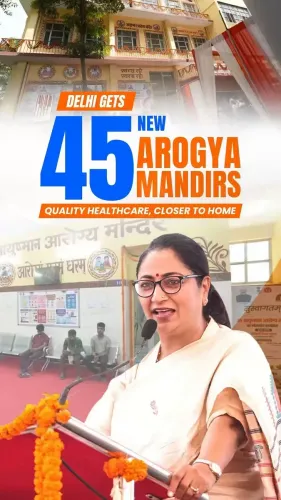
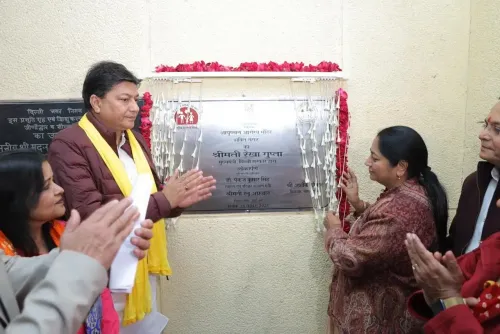
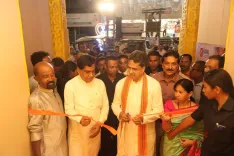
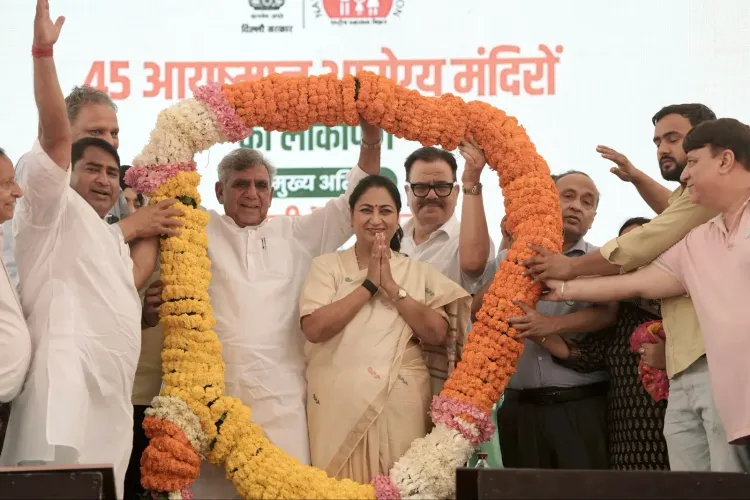
Delhi Chief Minister Rekha Gupta on Friday, 17 July announced the inauguration of 45 new Ayushman Jan Arogya Mandirs in Shakoorpur, taking the total count of operational neighbourhood health centres in the capital to 415. The government has set a target of scaling the network to more than 1,100 such centres in the coming months.
What the New Centres Offer
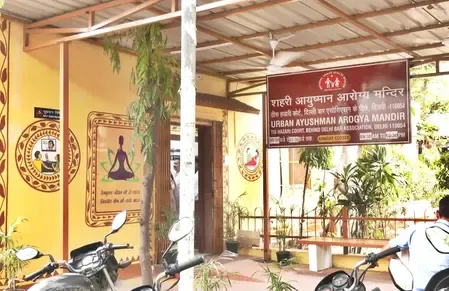
Each Ayushman Jan Arogya Mandir is equipped to provide OPD consultations, maternal and child health services, vaccination, essential medicines, and 80 types of free diagnostic tests. Delhi Health Minister Pankaj Kumar Singh described the focus of these centres as preventive, promotive, and comprehensive primary healthcare — services delivered at the community level rather than at overburdened tertiary hospitals.
Seventh Phase of a Sustained Rollout
The inauguration of the 45 facilities marks the seventh phase of the Ayushman Arogya Mandir initiative, according to Health Minister Singh. The current expansion follows the earlier operationalisation of 370 Ayushman Arogya Mandirs across the capital — comprising 244 Urban Sub Health Centres and 126 Urban Primary Health Centres. This phased approach signals a deliberate effort to deepen primary healthcare infrastructure rather than rely on one-time announcements.
What the Government Said
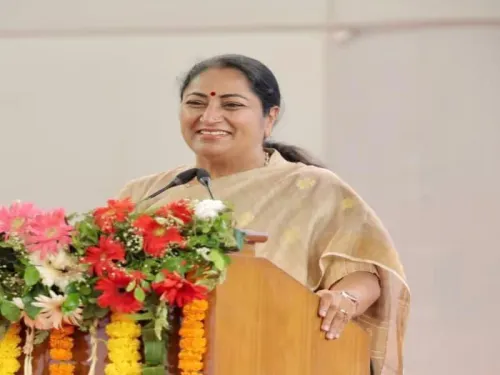
Chief Minister Gupta, in a post on X, stated: 'Today, 45 new Ayushman Jan Arogya Mandirs were inaugurated in Shakoorpur. Our resolve is that every Delhi resident should get better health services right near their home and colony.' She added that the target of more than 1,100 Ayushman Jan Arogya Mandirs would be achieved soon.
Health Minister Singh said: 'The dedication of 45 new Ayushman Arogya Mandirs marks another important milestone in our efforts to make quality healthcare accessible, affordable and equitable for every resident of Delhi.'
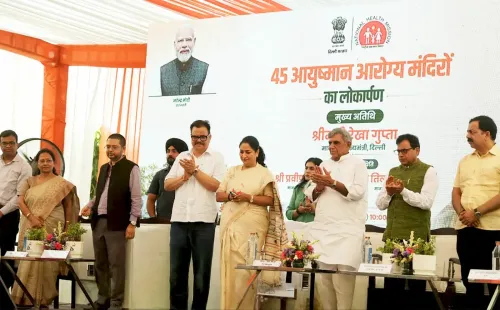
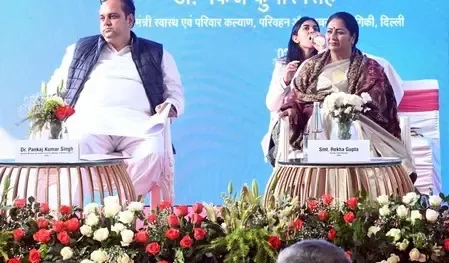
Present at the inauguration were MLA Tilak Ram Gupta, MCD Councillor Kishan Lal, and District President Ajay Khatana, among other officials.
Why This Matters for Delhi Residents
Delhi's public health system has historically struggled with overcrowding at district and tertiary hospitals, leaving primary care under-resourced. The Ayushman Jan Arogya Mandir model — focused on non-communicable disease screening, immunisation, and maternal care — is designed to intercept health needs before they escalate to hospital admissions. Notably, the provision of 80 free diagnostic tests per centre addresses a critical gap for lower-income households that often skip early diagnosis due to cost.
If the 1,100-centre target is met, Delhi would have one of the denser urban primary healthcare networks among Indian state capitals — a benchmark worth tracking as the rollout continues.
Point of View
The Delhi government's Ayushman Jan Arogya Mandir rollout is moving at a pace that demands scrutiny on quality, not just quantity. Reaching 415 centres is a logistical achievement, but the more consequential question is whether each facility is adequately staffed and stocked — India's primary health centre expansion history is littered with buildings that outpaced doctors. The 80-free-tests promise is the right policy lever; whether it holds at scale, especially in lower-income wards, will determine whether this is genuine decentralisation of care or a headline number. The jump from 415 to 1,100 is steep — the government should publish a phased timeline and staffing plan rather than leave it as an open-ended target.
NationPress
16 Oct 2026
Frequently Asked Questions
What are Ayushman Jan Arogya Mandirs in Delhi?
Ayushman Jan Arogya Mandirs are neighbourhood-level primary health centres set up by the Delhi government to deliver essential healthcare close to residential areas. Each centre offers OPD services, maternal and child healthcare, vaccination, essential medicines, and 80 types of free diagnostic tests.
How many Ayushman Jan Arogya Mandirs are now operational in Delhi?
As of 17 July, more than 415 Ayushman Jan Arogya Mandirs are operational in Delhi, following the inauguration of 45 new centres in Shakoorpur. The Delhi government has targeted expanding this to more than 1,100 centres.
What is the government's target for Ayushman Arogya Mandirs in Delhi?
Chief Minister Rekha Gupta has stated that the Delhi government aims to operationalise more than 1,100 Ayushman Jan Arogya Mandirs across the capital in the coming months, up from the current 415.
Which phase of the Ayushman Arogya Mandir initiative is this inauguration?
The inauguration of 45 new centres on 17 July marks the seventh phase of the Ayushman Arogya Mandir initiative, according to Delhi Health Minister Pankaj Kumar Singh.
What services are available at these health centres?
The centres provide OPD consultations, maternal and child health services, immunisation, screening and management of non-communicable diseases, treatment of common illnesses, essential medicines, diagnostics, and health promotion services — including 80 types of free tests.