CM Rekha Gupta Highlights Modi Govt's Anti-Naxal Development Push
Synopsis
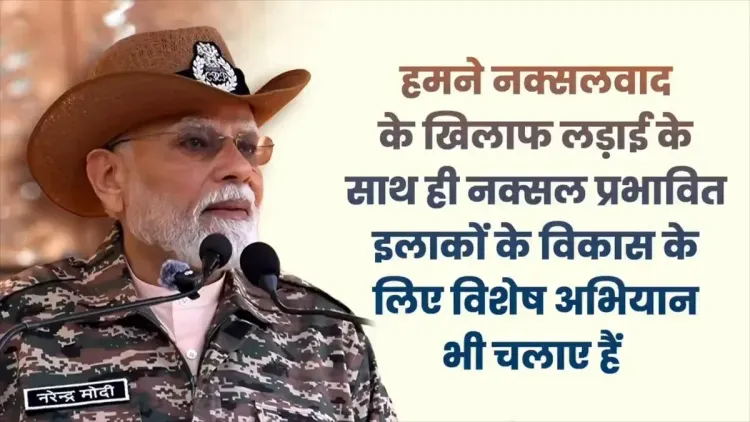
Delhi CM Rekha Gupta quoted PM Modi on the government's dual-track anti-Naxal strategy: over 15,000 km of roads, 9,500 mobile towers, 175 Eklavya schools, 50 ITIs and PM-JANMAN welfare outreach in Left Wing Extremism-affected tribal regions.
Key Takeaways
Over 15,000 km of roads and 9,500+ mobile towers were constructed in Left Wing Extremism-affected districts alongside security operations.
Nearly 175 Eklavya Model Residential Schools were opened to improve education access for tribal children in affected areas.
Around 50 ITIs and 50 Skill Development Centres were set up to connect youth in Naxal-affected regions to employment opportunities.
PM-JANMAN , launched in 2023, targets Particularly Vulnerable Tribal Group villages with water, electricity and road connectivity for the first time.
Rehabilitation schemes were created for surrendered Naxal cadres , framing the campaign as a social and security response combined.
The government's framing invokes 'Sabka Saath, Sabka Vikas' , positioning LWE development as integral to India's broader anti-poverty mission.
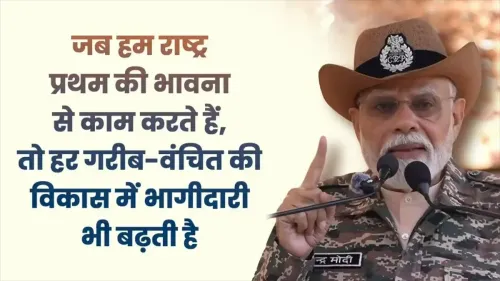
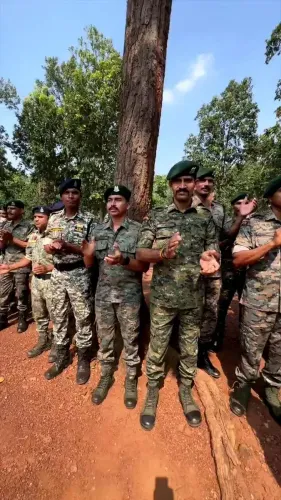
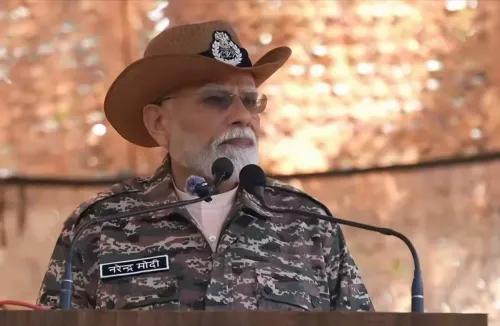
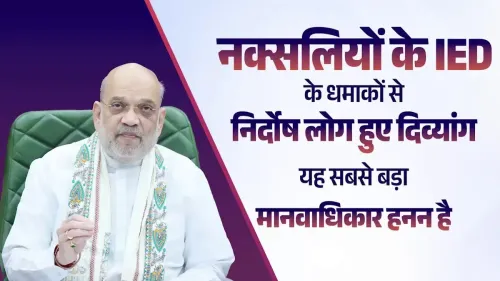
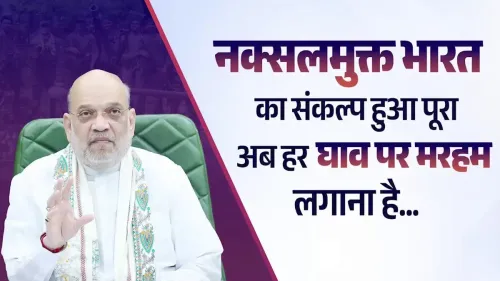
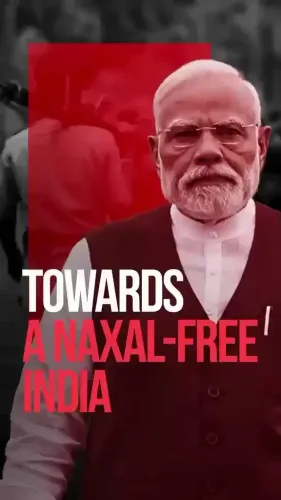
Roads cut through forests once controlled by armed cadres. Mobile towers rose where the state had long been absent. Delhi Chief Minister Rekha Gupta on Sunday, 8 November 2026 shared a statement attributed to Prime Minister Narendra Modi detailing the central government's twin-track campaign against Left Wing Extremism — combining security operations with an unprecedented infrastructure and welfare drive in Naxal-affected districts.
Roads, Towers and Schools in Former Naxal Strongholds
The statement quoted by CM Gupta credits the government with constructing over 15,000 km of roads and installing more than 9,500 mobile towers in Left Wing Extremism-affected regions — areas in states such as Chhattisgarh, Jharkhand, Odisha and Bihar that had for decades been cut off from basic connectivity. The logic is deliberate: security clearance first, then infrastructure follows.
For tribal children, the statement points to nearly 175 Eklavya Model Residential Schools opened in affected belts. The Eklavya network — central government-funded residential schools specifically for Scheduled Tribe students — received significantly expanded funding and targets from 2018 onwards, extending the reach of formal education into districts where school attendance had historically been disrupted by violence and displacement.
Jobs, Banking and PM-JANMAN in Isolated Tribal Villages
The economic plank of the push includes around 50 ITIs (Industrial Training Institutes) and 50 Skill Development Centres to draw young people away from the influence of insurgent networks and into formal employment. Thousands of post offices, bank branches and ATMs have also been opened — many for the first time — linking remote communities to formal financial infrastructure.
The centrepiece welfare initiative cited is PM-JANMAN, a central scheme announced in 2023 specifically targeting Particularly Vulnerable Tribal Groups (PVTGs). Its mandate: saturate the most remote habitations with water, electricity and roads — services that thousands of villages were receiving for the very first time under the scheme.
Surrendered Naxalites and the Rehabilitation Dimension
The statement does not stop at infrastructure. It explicitly addresses those who laid down arms, noting that surrendered Naxal cadres were given opportunities and that rehabilitation schemes were designed for their reintegration. This reflects a long-standing policy thread — that the insurgency's roots in poverty and state neglect require a social answer alongside a security one.
The overarching framing invoked is 'Sabka Saath, Sabka Vikas' — 'Together with all, development for all' — presenting the LWE campaign as an expression of the broader anti-poverty mission rather than a purely counter-insurgency operation.
Successive central governments have pursued this dual-track model since at least 2010, when the Integrated Action Plan for LWE districts was launched. The current dispensation has argued that accelerating both security operations and development spending simultaneously has contributed to a measurable decline in violence across core districts over the past decade. How deep that transformation has run — and how durable — will be tested in the next annual violence data release by the Ministry of Home Affairs.
Point of View
CM Gupta reinforces the party's pre-election signalling on tribal welfare and national security simultaneously. The dual-track model has genuine policy lineage dating to 2010, but the BJP has sought to own it decisively since 2014 by scaling both security operations and schemes like PM-JANMAN. The real test of the narrative will come when independent violence and development metrics are updated — numbers that could either cement or complicate the government's claim of a historic turning point.
NationPress
8 Nov 2026
Frequently Asked Questions
What is PM-JANMAN and who does it benefit?
PM-JANMAN is a central government scheme launched in 2023 that targets Particularly Vulnerable Tribal Group villages with basic services including water, electricity and roads — many receiving these amenities for the first time.
What are Eklavya Model Residential Schools?
Eklavya Model Residential Schools are centrally funded residential schools specifically for Scheduled Tribe children in tribal districts, expanded significantly from 2018 to improve education access in remote and LWE-affected areas.
Which states are most affected by Left Wing Extremism in India?
The core LWE-affected states include Chhattisgarh, Jharkhand, Odisha and Bihar, where Naxalite insurgency has historically disrupted governance, infrastructure and civilian life.
What has the government done for surrendered Naxalites?
The government has set up rehabilitation schemes specifically for surrendered Naxal cadres, offering them opportunities for reintegration alongside the broader security and development campaign in affected regions.
Why did Delhi CM Rekha Gupta share a statement about Naxalism?
CM Rekha Gupta, a BJP leader, shared a statement attributed to PM Modi highlighting the central government's achievements in LWE-affected tribal areas, amplifying the party's governance narrative on security and tribal welfare.