CM Rekha Gupta Marks 100 Atal Canteens, 1 Lakh Daily Meals at ₹5
Synopsis
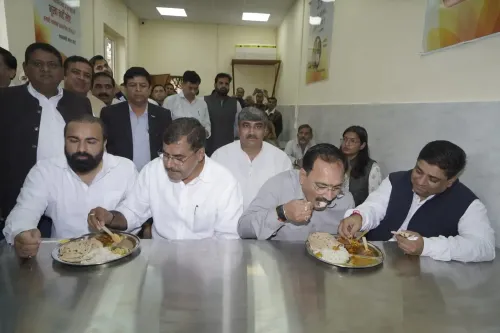
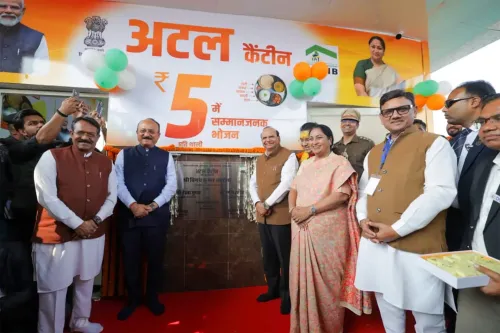
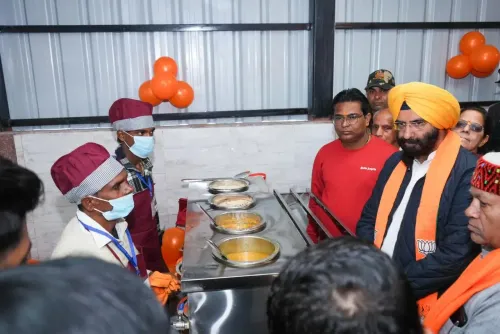
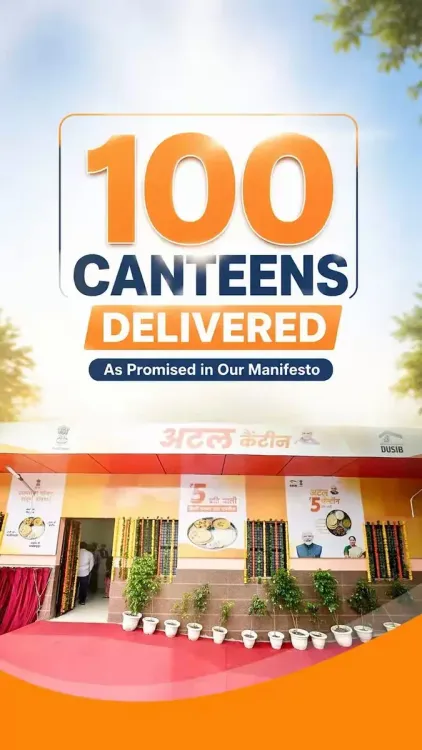
Delhi Chief Minister Rekha Gupta on 20 August 2026 spotlighted the Atal Canteen network — 100 canteens, over one lakh meals daily at ₹5 — calling it a guarantee of dignity for the capital's workers, students, and low-income families.
Key Takeaways
100 Atal Canteens are now operational across Delhi, per CM Rekha Gupta's post dated 20 August 2026 .
The network serves over 1 lakh meals every day at a price of just ₹5 per plate .
The scheme is named after former Prime Minister Atal Bihari Vajpayee , tying the welfare initiative to BJP's political legacy.
Target beneficiaries include daily-wage workers, students, and low-income families in the capital.
Delhi's model follows a broader Indian tradition of state-branded subsidised canteens, most notably Tamil Nadu's Amma Canteens launched in 2013 .
Further expansion and nutritional impact data remain key metrics to watch as the scheme scales.
A hot plate of food for five rupees — and the dignity that comes with it. Delhi Chief Minister Rekha Gupta on Thursday, 20 August 2026, highlighted the scale and spirit of the city's Atal Canteen network, pointing to 100 canteens now serving over one lakh meals every day to the capital's workers, students, and low-income families.
A ₹5 plate and what it actually means
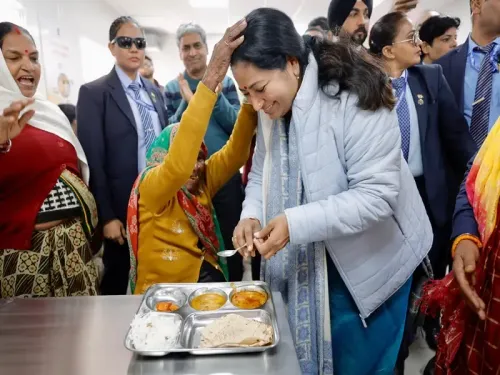
The Chief Minister's post frames the scheme not as a subsidy statistic but as a social contract. 'For a worker between shifts, a student counting every rupee, or a family stretching its budget,' she wrote, 'this is more than an affordable meal. It is dignity, relief and the assurance that government stands with those who need it most.' The language is deliberate — welfare positioned not as charity but as a state's obligation to its most vulnerable citizens.
The canteens are named after former Prime Minister Atal Bihari Vajpayee, a founding figure of the Bharatiya Janata Party and a leader whose legacy the current Delhi government has actively invoked since Rekha Gupta took charge. Naming a mass-welfare infrastructure after Vajpayee also serves a political purpose: anchoring a populist delivery mechanism to the BJP's own ideological lineage.
Delhi joins a long line of subsidised meal experiments
Delhi is not the first Indian city to bet on a canteen model. Tamil Nadu's Amma Canteens, launched in 2013, pioneered the template at scale — cheap, branded, and politically visible. Several other states followed. What distinguishes each iteration is the price point and the stated target group; at ₹5 per meal, the Atal Canteen sits among the most aggressively subsidised in the country.
Urban food inflation and the sprawling informal economy make such schemes particularly relevant in a city like Delhi, where millions of daily-wage workers and migrant labourers have no access to institutional canteens or employer-provided meals. A ₹5 plate in a city where a roadside meal routinely costs ₹60–₹100 represents a significant real-terms subsidy.
What the rollout signals for Delhi's welfare agenda
Reaching 100 canteens and the one-lakh-meals-a-day threshold — if sustained — marks a meaningful operational milestone for a scheme that competes for attention with the capital's other flagship welfare programmes. The question now is whether the network expands further into underserved pockets of Delhi, and whether nutritional quality data will accompany the headline numbers.
For CM Gupta, the milestone is also a governance statement ahead of a politically charged period in Delhi — proof, her government argues, that the BJP's administrative record in the capital can stand on deliverables, not just opposition politics.
One hundred canteens. One lakh meals. Five rupees. The arithmetic is simple — the political stakes behind it are anything but.
Point of View
CM Gupta is making a calculated bid to own the urban poor vote on delivery credentials. The ₹5 price point is politically aggressive, deliberately undercutting rival welfare narratives. Whether the scheme's operational depth matches its headline numbers will determine how durable that political dividend proves.
NationPress
20 Aug 2026
Frequently Asked Questions
What is the Atal Canteen scheme in Delhi?
Atal Canteens are a Delhi government network of subsidised food canteens that offer a full meal for just ₹5, targeted at daily-wage workers, students, and low-income residents. The scheme is named after former Prime Minister Atal Bihari Vajpayee.
How many Atal Canteens are there in Delhi?
As of August 2026, Delhi Chief Minister Rekha Gupta stated that 100 Atal Canteens are operational across the capital.
How many meals do Delhi's Atal Canteens serve daily?
According to CM Rekha Gupta's post on 20 August 2026, the Atal Canteen network serves over one lakh (100,000) meals every day.
Who benefits from the Atal Canteen scheme?
The scheme is designed for daily-wage workers, students, and low-income families in Delhi who need access to an affordable, wholesome meal without straining their budgets.
Is the Atal Canteen model unique to Delhi?
No. Delhi's scheme follows a broader Indian tradition of state-branded subsidised canteens. Tamil Nadu's Amma Canteens, launched in 2013, are among the most well-known predecessors, and several other states have run similar programmes.