CM Rekha Gupta Signs MoU for 250+ Idol-Waste Collection Centres
Synopsis
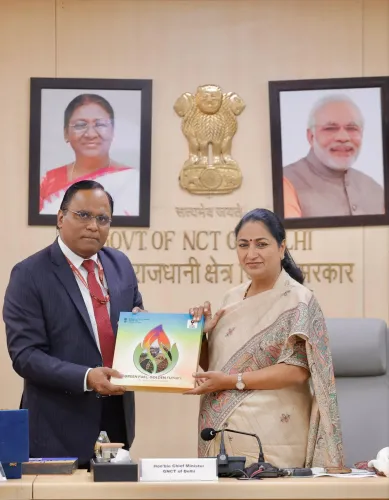
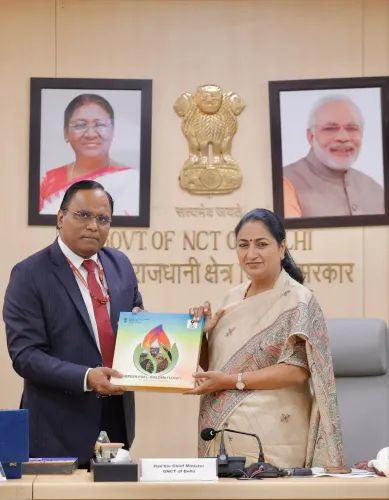
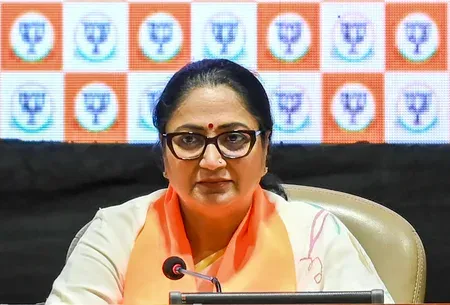
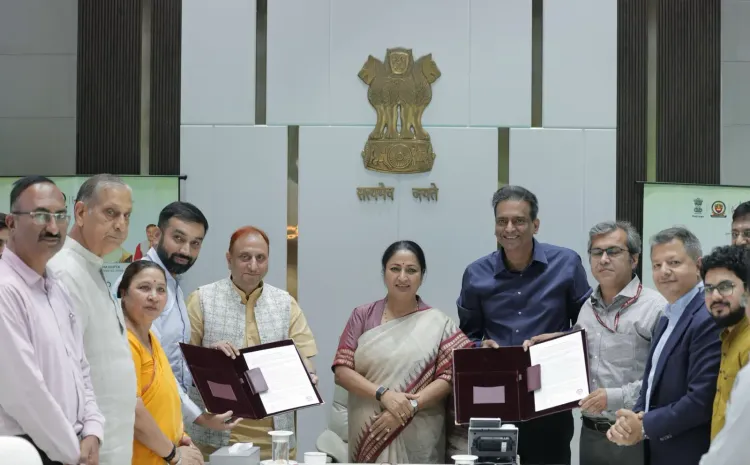
Delhi CM Rekha Gupta, Mayor Pravesh Wahi, and Plastindia Foundation signed an MoU on 15 October 2026 to open over 250 collection centres where residents can deposit broken idols and puja materials for recycling instead of immersing them in the Yamuna.
Key Takeaways
MoU signed on 15 October 2026 between the Delhi Government, MCD, and Plastindia Foundation.
More than 250 new collection centres will be set up across Delhi for broken idols and puja materials.
Collected items will be recycled into usable goods through Plastindia Foundation's processing pipeline.
Delhi Mayor Pravesh Wahi was present at the signing alongside foundation representatives.
The initiative aims to reduce Yamuna River pollution caused by festival-season idol immersion without restricting religious practice.
The National Green Tribunal has directed restrictions on river idol immersion since the 2010s; this scheme offers a compliant alternative.
Faith and ecology rarely make easy partners — but Delhi Chief Minister Rekha Gupta moved to bridge that gap on Thursday, 15 October 2026, signing a three-way memorandum of understanding that will open more than 250 new collection centres across the capital for broken idols and used worship materials.
The MoU and Who Signed It
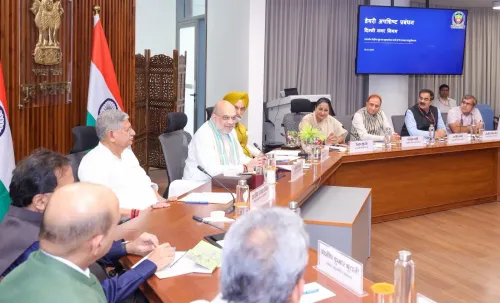
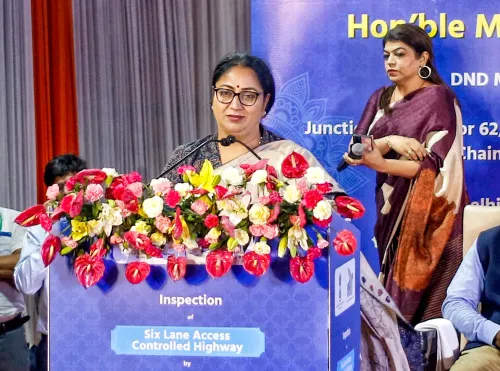
The agreement was inked between the Delhi Government, the Municipal Corporation of Delhi (MCD), and Plastindia Foundation, an industry body focused on plastics-sector sustainability and recycling. Delhi Mayor Pravesh Wahi was present at the signing alongside representatives of the foundation.
Under the arrangement, devotees will be able to drop fractured idols and puja materials at any of the designated centres rather than immerse them in water bodies. The collected material will then be recycled into usable goods — closing the loop between religious observance and circular-economy principles.
Why the Yamuna Is at the Centre of This
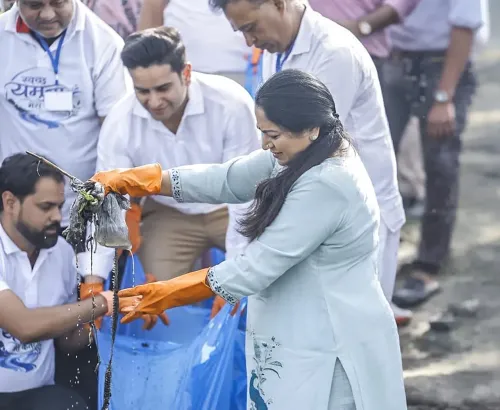
The Yamuna River, which threads through Delhi, has faced relentless pressure from urban runoff, industrial discharge, and seasonal surges of ritual immersion. Every major festival cycle — from Ganesh Chaturthi to Navratri to Chhath Puja — historically sends tonnes of plaster-of-Paris idols, synthetic flowers, and chemical-dyed offerings into the river.
The National Green Tribunal has, since the 2010s, repeatedly ordered restrictions on idol immersion to curb the resulting pollution load. Yet compliance has remained patchy, partly because of an absence of convenient, dignified alternatives. The new centres are designed to fill exactly that gap.
CM Gupta framed the ask to Delhiites directly: 'Hamaari aastha ka bhi samman ho aur maa Yamuna ji bhi swachh evam nirmal rahein' — 'Let our faith be respected and let Mother Yamuna remain clean and pure.'
Plastindia Foundation's Role in Recycling the Sacred
The involvement of Plastindia Foundation gives the initiative a downstream processing backbone that purely civic schemes have lacked in the past. The foundation's recycling pipeline is expected to transform collected materials into everyday usable objects — a detail that also softens the theological discomfort some devotees feel about discarding sacred items.
The partnership model — government mandate, municipal logistics, industry recycling capacity — mirrors similar urban experiments elsewhere in India but represents a notable scale-up in the capital, which is home to tens of millions of residents observing festivals year-round.
Timing and What Comes Next
The announcement lands in the thick of the autumn festival calendar, when demand on any such infrastructure is immediate and real. The actual test will come in the weeks ahead: how quickly the 250-plus centres become operational, how visibly they are signposted in residential colonies and markets, and whether footfall shifts measurably away from riverbank immersion sites during Chhath Puja and subsequent observances.
If uptake is strong, the model could become a template for other river-adjacent cities wrestling with the same tension between devotion and environmental law.
Point of View
The optics are carefully calibrated: Yamuna cleanup is a legacy promise stretching back years, and this scheme lets CM Gupta claim visible progress without antagonising the large vote-bank of observant Hindu households. The Plastindia Foundation's inclusion is also strategically smart — it shifts the recycling burden off cash-strapped MCD and onto an industry partner with ready capacity. The real measure of success, however, will not be the number of centres inaugurated but the footfall data after the festival season.
NationPress
15 Oct 2026
Frequently Asked Questions
What is the MoU signed by Delhi CM Rekha Gupta about?
The MoU, signed on 15 October 2026, is a three-way agreement between the Delhi Government, MCD, and Plastindia Foundation to set up over 250 collection centres where residents can deposit broken idols and puja materials for recycling instead of immersing them in the Yamuna.
Where can Delhi residents drop broken idols and puja materials?
Once operational, over 250 designated collection centres across Delhi will accept broken idols and worship materials. The exact centre locations have not yet been publicly listed.
What happens to the idols and puja material collected at these centres?
The collected items will be recycled by Plastindia Foundation into usable everyday goods, keeping them out of water bodies and reducing river pollution.
Why is immersing idols in the Yamuna a problem?
Idol immersion introduces plaster-of-Paris, synthetic dyes, and non-biodegradable materials into the river, significantly worsening the Yamuna's already severe pollution. The National Green Tribunal has ordered restrictions on such immersion since the 2010s.
Who is Plastindia Foundation and what is its role?
Plastindia Foundation is an organisation focused on plastics-industry sustainability and recycling. In this initiative, it provides the downstream recycling infrastructure to process the idol and puja waste collected at the new centres.